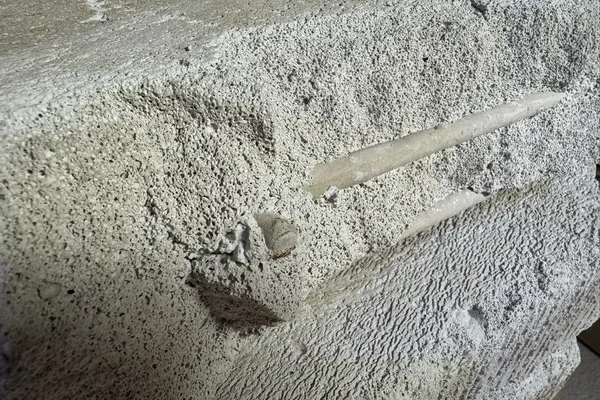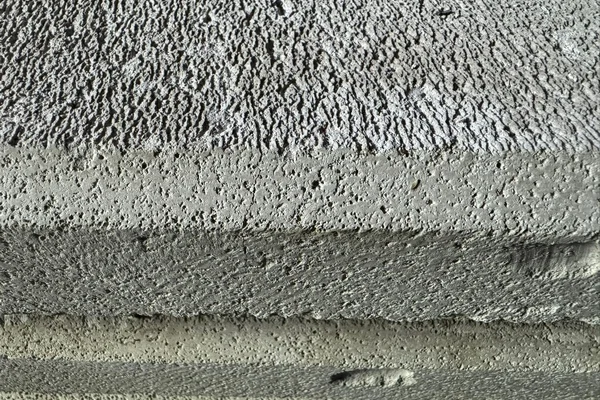
Part of our guide to RAAC structural repairs, from the team behind the UK’s first CFRP system designed specifically for RAAC.
Carbon fibre reinforcement (CFRP) is the most effective method for RAAC structural repair, bonding engineered carbon fibre laminates to the soffit of deteriorating panels to restore flexural capacity. The system is lightweight, does not add significant load to the existing structure, and can be installed in occupied buildings without demolition or temporary propping.
Carbon fibre reinforcement has become one of the most effective solutions for repairing RAAC panels. Its popularity lies in its strength-to-weight ratio: carbon fibre is extremely strong but very light, making it ideal for working with fragile RAAC planks that cannot tolerate heavy loads. When applied correctly, carbon fibre reinforcement bonds securely to the surface of RAAC panels, providing added tensile strength and preventing sudden brittle failure. The process typically involves surface preparation to remove debris and contaminants, followed by the application of carbon fibre sheets or strips embedded in specialist resins. These materials are carefully positioned to carry loads across the panel, reducing reliance on the original, shallow reinforcement. Because RAAC is porous, proper preparation and primer layers are critical to ensure long-term adhesion. Unlike steel strengthening plates, which can add significant weight, carbon fibre reinforcement is almost weightless in comparison. This ensures the system enhances safety without introducing new risks. It also allows work to be carried out with minimal disruption to the building, as installation is relatively quick. The thin profile of carbon fibre also makes it unobtrusive, preserving ceiling heights and reducing the need for alterations. While highly effective, carbon fibre reinforcement must be designed by experienced engineers. Generic application is not enough-placement, orientation, and bonding methods all need to be tailored to the conditions of each panel. When applied as part of a wider remediation strategy, carbon fibre reinforcement offers owners a durable, insurable solution. It represents the shift from temporary patching to engineered safety, providing confidence that RAAC panels can remain in service under controlled conditions.
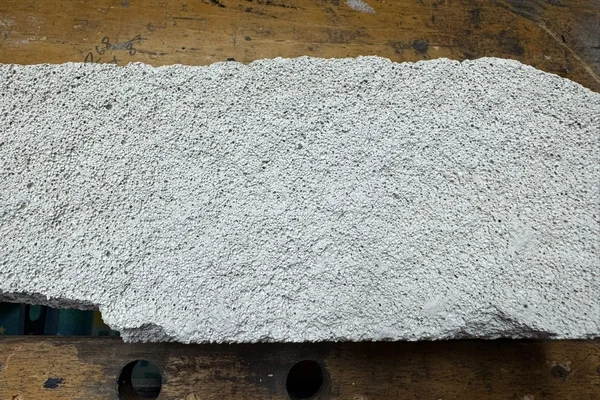
Carbon fibre reinforcement has become a cornerstone of RAAC remediation because of its exceptional strength-to-weight ratio. Where RAAC panels are brittle and unable to carry added load, carbon fibre offers reinforcement that is lightweight, adaptable and durable. Engineers apply carbon fibre sheets or strips, bonded with specialist resins, to the underside of panels. These laminates provide tensile capacity that compensates for weakened steel reinforcement and distributes loads evenly. Preparation is crucial: surfaces must be cleaned and primed to ensure adhesion. Once installed, carbon fibre reinforcement creates a composite action between the panel and the fibre, producing a structure that is stronger and more resilient than before. The advantages extend beyond strength. Carbon fibre is thin and unobtrusive, so it does not reduce headroom or interfere with building services. It is also resistant to corrosion, making it well suited to damp roof environments where steel reinforcement deteriorates. Installation is relatively quick, reducing disruption in schools and hospitals. Costs, while higher than some alternatives, are offset by long-term durability and reduced maintenance. Engineers design each installation carefully, specifying orientation, overlap and anchorage to ensure performance. Carbon fibre is not a one-size-fits-all product; it must be tailored to each panel’s condition and the building’s load requirements. When used as part of a design-led repair strategy, carbon fibre reinforcement provides a long-term, insurable solution. It demonstrates how advanced materials can be used responsibly to manage legacy risks, keeping essential buildings operational while ensuring occupant safety and compliance with modern standards.
When carbon fibre reinforcement is the right solution for RAAC, Structured Carbon is the partner who ensures it is applied with precision and accountability. Carbon fibre offers unmatched strength-to-weight performance, but its effectiveness depends on expert design, surface preparation and installation. Structured Carbon has developed proven systems that use carbon fibre sheets and laminates bonded with advanced resins to transform fragile RAAC planks into safe, load-bearing elements. Our design team models load paths, specifies fibre orientation and ensures anchorage is secure, avoiding the mistakes of generic installations. Because carbon fibre is thin and unobtrusive, it can be installed with minimal disruption in schools, hospitals and offices, making it the preferred option in live buildings. Structured Carbon ensures works are phased, safe and compliant with strict regulations, providing reassurance to owners and insurers. By working with us, building managers gain more than a product-they gain a comprehensive service that includes surveys, design, installation and certification. Our carbon fibre reinforcement systems are tailored to each site, durable under real-world conditions and insurable. For owners under pressure to manage RAAC responsibly, Structured Carbon delivers certainty: a lightweight, durable and engineered solution that turns a risk into a managed asset.
We reply within one working day. If it is urgent, call +44 118 430 8430.
We reply within one working day. If it is urgent, call +44 118 430 8430.