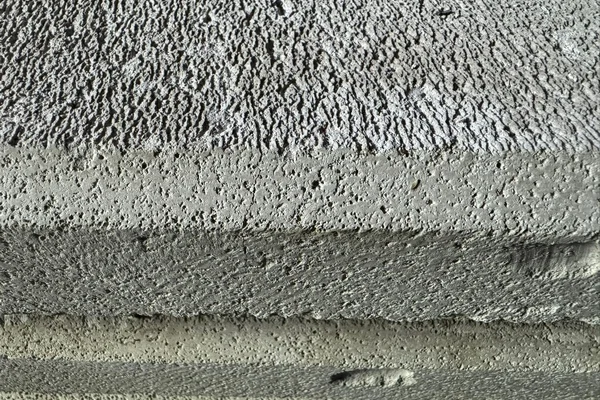
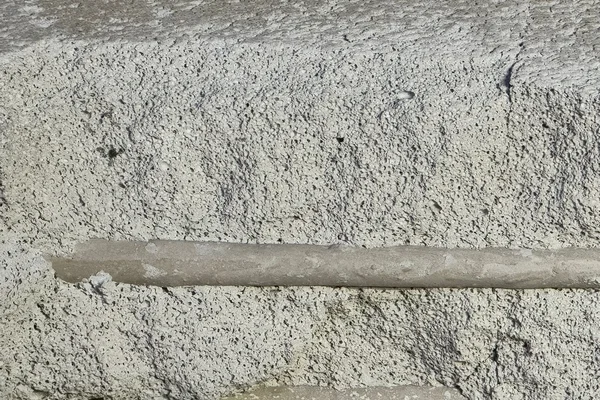
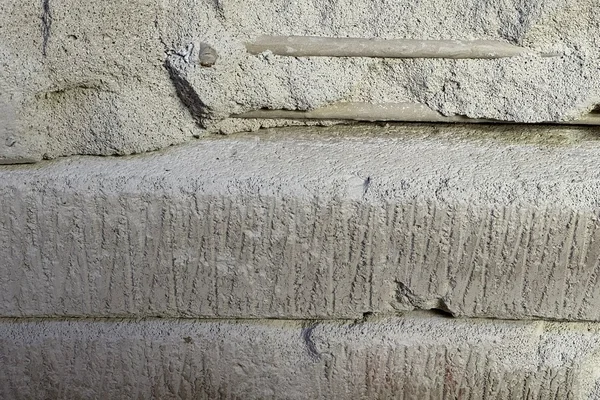
The discovery of RAAC has disrupted university operations through emergency closures, room reallocation, and deferred capital investment. Several universities have been forced to cancel lectures, relocate research facilities, and re-schedule examinations when RAAC buildings have been taken out of service at short notice. Proactive survey and repair programmes significantly reduce this operational risk.
The discovery of RAAC has had a significant impact on university operations across the UK. Many institutions have been forced to close or restrict access to key facilities while surveys and repairs are undertaken. Teaching has been relocated, research activities moved, and budgets restructured to manage urgent safety work. The administrative challenge has been enormous, requiring coordination between estates, finance and academic departments. Universities have prioritised transparent communication with students and staff to explain the situation and maintain confidence. While disruption has been unavoidable, the process has also encouraged better asset management and highlighted the need for proactive maintenance strategies. Some universities have used RAAC remediation as an opportunity to modernise older facilities, integrating sustainability improvements alongside safety works. The experience has underlined the importance of engineering evidence, clear decision-making and investment in estate renewal. In the long term, universities addressing RAAC now will have safer, more efficient and more resilient campuses as a result.
CFRP-based RAAC repair solutions are transforming the way universities manage the operational impact of structural risk. Traditional RAAC repairs or replacements often require prolonged closures that disrupt academic schedules and research activities. CFRP offers a faster, cleaner and more predictable alternative. Once structural surveys identify weakened RAAC panels, carbon fibre strips or sheets are installed to restore strength, typically within days rather than weeks. The process generates minimal noise and dust, allowing adjacent teaching or residential areas to remain open. CFRP’s strength-to-weight ratio makes it ideal for spanning long roof bays and restoring structural continuity across joints. Because the system is bonded directly to the substrate, there is no need for heavy lifting or removal of large roof sections. Universities benefit from uninterrupted operations, reduced safety risk and documented compliance for insurers. CFRP also reduces long-term maintenance costs since the materials are corrosion-resistant and require no future replacement under normal service conditions. By integrating CFRP repair solutions into their estate strategies, universities can address RAAC proactively, keeping their campuses open, safe and fully functional while ensuring long-term confidence in building performance.
Structured Carbon delivers confidence to universities through its combination of CFRP engineering expertise, quality assurance and commitment to long-term safety. Every project begins with a detailed technical assessment that informs the design of bespoke reinforcement layouts using carbon fibre plates or sheets. These materials are selected for their high tensile strength, durability and resistance to environmental degradation. Structured Carbon’s engineers calculate load distribution, adhesive performance and bond stress to ensure the system behaves predictably under service conditions. Installation is performed under strict supervision, using methods that guarantee full adhesion and uniform load transfer. The company’s documentation-covering survey results, structural analysis, material certification and installation records-provides complete traceability for insurers and regulators. For universities, this means assurance that remediation is not a temporary measure but a permanent, engineered solution. Structured Carbon’s clear communication and technical transparency allow estates teams to understand each stage of the process, from investigation through verification. The outcome is more than restored safety-it is enduring confidence that every aspect of RAAC strengthening has been designed, tested and delivered according to the highest engineering and compliance standards.
We reply within one working day. If it is urgent, call +44 118 430 8430.