Part of our guide to RAAC structural repairs, from the team behind the UK’s first CFRP system designed specifically for RAAC.
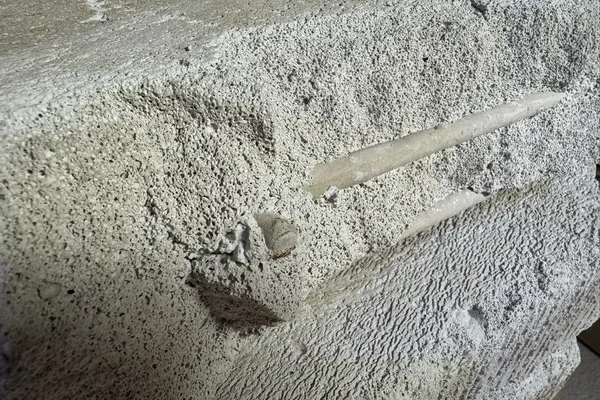
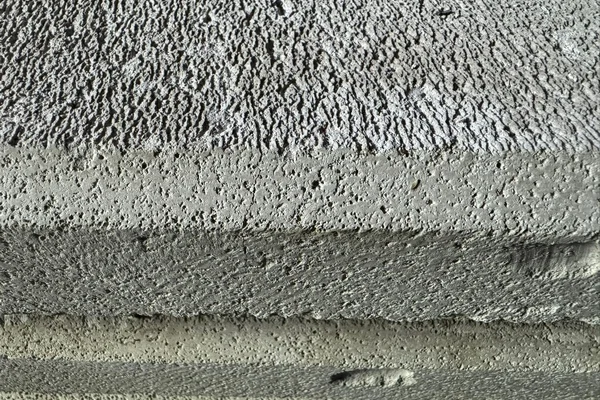
Epoxy resin is used in RAAC repair primarily as a structural adhesive to bond CFRP laminates or steel plates to panel soffits, and to fill cracks and voids in deteriorating concrete. The resin must penetrate the porous RAAC matrix without adding brittleness, and must maintain bond strength under the thermal movement typical of lightweight aerated panels.
Epoxy resins are often used in RAAC structural repair as bonding agents, crack fillers, and reinforcement adhesives. Their role is critical because RAAC’s porous, brittle structure requires specialist materials that can penetrate voids and bind reinforcement securely. Epoxy resin methods begin with cleaning and preparation of the RAAC surface to ensure strong adhesion. Cracks may be injected with low-viscosity resins to stabilise panels internally, while higher-strength formulations are used to bond reinforcement systems. One of the main advantages of epoxy resin in RAAC repair is its versatility. It can bond carbon fibre sheets, steel plates, or mesh reinforcements to panels, distributing loads and reducing stress concentrations. Epoxies can also provide a barrier to moisture, slowing corrosion of embedded reinforcement. However, because RAAC absorbs liquids easily, engineers must carefully control resin viscosity and application to avoid uneven penetration or weak bonding. Epoxy-based repair is not a cure-all. If used in isolation, resins cannot address the fundamental weakness of RAAC. Their effectiveness depends on integration into a complete, design-led system. When used properly, they play a vital role in strengthening schemes by ensuring reinforcements are securely anchored to panels. Durability of epoxy repairs depends on correct design, preparation, and curing. Environmental conditions such as temperature and humidity must be managed during installation. When these factors are controlled, epoxy resin methods provide reliable, long-term performance. For owners, the use of epoxies offers a cost-effective, adaptable tool in the wider suite of RAAC repair options, providing reassurance that panels are being treated with professional care.
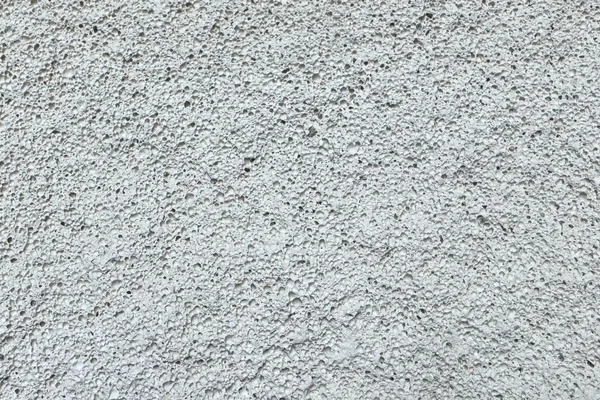
Epoxy resin systems are indispensable in the repair of RAAC panels, offering both structural bonding and protective functions. Because RAAC is porous and brittle, traditional mortars or concrete overlays do not adhere effectively. Epoxy resins, however, can penetrate surface pores, fill cracks and bond reinforcement securely. Engineers use different formulations depending on the repair need. Low-viscosity resins are injected into fine cracks, stabilising panels internally. High-strength adhesives are used to bond carbon fibre sheets or steel plates to the panel surface, creating composite structures that restore capacity. The process begins with thorough preparation: RAAC surfaces are cleaned, dried and primed to maximise adhesion. Application must be carefully controlled, with temperature and humidity monitored during curing to ensure long-term performance. Once cured, epoxy resins provide strong, durable bonds that resist moisture ingress and slow reinforcement corrosion. However, epoxy is not a cure-all. Used in isolation, it cannot address RAAC’s inherent weakness. Its effectiveness lies in integration with a wider system of reinforcement and environmental management. Engineers design resin applications alongside other measures, ensuring repairs are comprehensive. Epoxy systems are also adaptable, making them valuable in complex environments such as hospitals where rapid, low-disruption solutions are required. From stabilising brittle planks to anchoring reinforcement, epoxy resins are a versatile tool in the structural repair toolkit. They help extend safe use of RAAC panels, providing reassurance to building owners and compliance with insurer expectations when used under professional design and quality control.
Epoxy resin plays a vital role in RAAC repair, but only when applied as part of a complete engineered system. Structured Carbon uses resin methods to stabilise cracks, bond reinforcement and protect porous RAAC surfaces, integrating chemistry with structural design. Our engineers specify resin formulations matched to each application, whether low-viscosity injections for stabilisation or high-strength adhesives for anchoring carbon fibre and steel reinforcement. Surface preparation, curing conditions and quality control are rigorously managed, ensuring bonds perform over decades, not just months. Unlike generic resin patching, which quickly fails in RAAC, Structured Carbon’s epoxy methods are designed for durability, combining resin with reinforcement systems and environmental mitigation. We understand RAAC’s porosity, brittleness and tendency to absorb moisture, and we build solutions that counter these risks. For owners, working with Structured Carbon means epoxy resin is not a gimmick but part of a tailored, insurable repair plan. Our projects demonstrate how resin anchoring can extend safe use of RAAC planks by decades, keeping buildings operational while long-term renewal is planned. Partnering with Structured Carbon gives building owners confidence that resin-based repairs are applied correctly, monitored effectively and guaranteed to meet the highest safety standards.
We reply within one working day. If it is urgent, call +44 118 430 8430.
We reply within one working day. If it is urgent, call +44 118 430 8430.