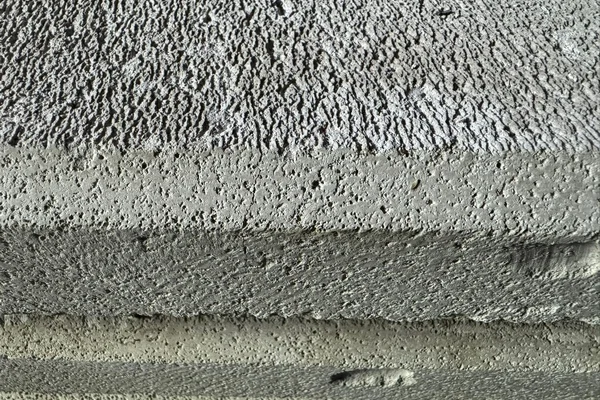
Steel Plate Strengthening for RAAC Panels

Steel plate strengthening for RAAC involves bolting or bonding steel plates to the panel soffit to restore flexural capacity. While effective, it adds significant dead load to panels that were designed to be lightweight, and can accelerate corrosion of the original steel mesh reinforcement. CFRP laminates are now generally preferred for RAAC strengthening due to their lower weight and corrosion resistance.

Steel plate strengthening is one of the more traditional methods used to repair RAAC panels. This technique involves attaching steel plates to the underside of RAAC planks to provide additional structural capacity. The plates are typically bonded with epoxy resins and may also be mechanically fixed, depending on the condition of the panel and design requirements. The advantage of steel plate strengthening lies in its familiarity and proven performance in other structural contexts. Steel is strong and reliable, capable of carrying significant loads. When applied to RAAC panels, it can compensate for corroded or weakened reinforcement. However, steel adds weight, which can be problematic for lightweight RAAC. This makes careful design essential-plates must be sized and positioned so that they strengthen without overloading the fragile base material. Corrosion protection is another key issue. Steel must be treated or coated to resist rust, particularly in roof environments where leaks are common. Failure to protect the plates can introduce new problems. Despite these challenges, steel plate strengthening remains a viable option when designed and installed correctly. It is often used where significant reinforcement is required, or where other systems may not provide sufficient capacity. For owners, steel plate strengthening offers a tangible, robust repair strategy. While not as lightweight as carbon fibre, it provides reassurance that RAAC panels are being actively reinforced with durable materials, extending their safe use.
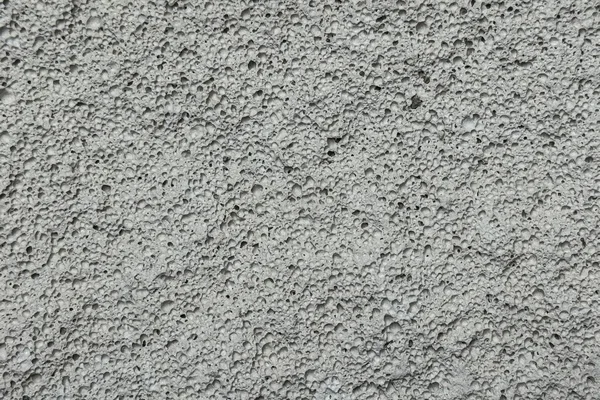
Image from a post on the Structured Carbon website
Steel Plate Strengthening for RAAC Panels

Steel Plate Strengthening Methods for RAAC Panels

Steel plate strengthening is a more traditional but still relevant method for reinforcing RAAC panels. This technique involves attaching steel plates, usually to the underside of roof planks, to provide additional load capacity. The plates are bonded with epoxy and sometimes mechanically fixed for extra security. The principle is straightforward: the steel plates take over the tensile role that the corroded reinforcement can no longer perform. However, because RAAC is lightweight and brittle, adding heavy plates must be carefully designed. Too much weight risks overloading the panel and accelerating failure. To counter this, engineers calculate loads meticulously and specify corrosion protection for the steel, especially in roof environments prone to leaks. The durability of this method depends on coating systems and maintenance. Steel plate strengthening is most appropriate where significant capacity is needed and space allows for installation. It is often chosen in industrial or high-load contexts, or where carbon fibre may not deliver sufficient strength. The method has the advantage of familiarity, with decades of experience in structural engineering. Its disadvantages are weight, corrosion risk and installation complexity. Nevertheless, when applied with care, steel plate strengthening can extend the life of RAAC panels by many years. It demonstrates how even traditional methods can be adapted to modern challenges, provided they are delivered under the supervision of experienced engineers and integrated into a wider management plan for RAAC in the building.

Working With Structured Carbon on Steel Plate RAAC Strengthening

Many providers still promote steel plate strengthening for RAAC panels, but Structured Carbon takes a different view. Steel may look robust, yet in practice it adds significant weight to fragile RAAC planks, increases corrosion risk and often creates more problems than it solves. Our philosophy is simple: you cannot safely stabilise lightweight, porous panels by attaching heavy metal plates. That is why Structured Carbon never offers steel strengthening as a solution. Instead, we design repair systems that respect RAAC’s limitations while delivering long-term strength and reassurance. Our engineers specify carbon fibre composites, advanced resin anchors and lightweight reinforcement systems that bond securely without overloading. These solutions are engineered from first principles, documented with full calculations and accepted by insurers. By working with Structured Carbon, building owners avoid outdated, high-risk approaches and gain access to the UK’s leading expertise in RAAC remediation. We provide clarity where others offer shortcuts, transforming an unsafe material into a managed risk through forensic survey, tailored design and proven technologies. If you are being offered steel plate fixes, we will show you a safer, lighter and insurable alternative. Structured Carbon delivers engineered outcomes that protect people, preserve buildings and stand up to scrutiny-without the compromises of heavy, unsuitable steel.

Share:

Got RAAC? Let us know

Thank you, we have your enquiry

We reply within one working day. If it is urgent, call +44 118 430 8430.
Your details go straight to our team and are not shared with anyone else.

Frequently Asked Questions:

Why is steel plate strengthening problematic for RAAC?
Steel plate strengthening is problematic for RAAC because it introduces risks that outweigh its benefits. While steel can provide tensile strength, its weight places additional load on RAAC planks, which are already fragile and at risk of sudden collapse. Moreover, steel is vulnerable to corrosion in damp roof environments, leading to long-term durability concerns. Many generic steel strengthening projects have failed because they were not designed for RAAC’s unique weaknesses. Structured Carbon does not recommend steel plate methods. Instead, we design lightweight, corrosion-resistant alternatives such as carbon fibre composites bonded with advanced resins. These systems add strength without additional dead load and are accepted by insurers as credible solutions. By avoiding outdated steel approaches, we ensure that remediation is durable, insurable and tailored to the specific challenges of RAAC. Owners who partner with Structured Carbon benefit from a modern, science-led approach that eliminates unnecessary risks and ensures buildings remain safe for decades.
Steel plate strengthening is not suitable for RAAC because it introduces risks rather than solving them. RAAC is lightweight and brittle, so attaching heavy steel plates adds loads that the panel was never designed to support. This can accelerate deterioration and even cause premature collapse. In addition, steel is vulnerable to corrosion, especially in damp roof environments where RAAC is most often found. Once corrosion begins, the plates lose effectiveness and create further maintenance liabilities. Structured Carbon does not offer steel plate solutions for precisely these reasons. Instead, we design lightweight alternatives such as carbon fibre composites and resin-bonded systems, which strengthen panels without overloading them. These methods are resistant to corrosion, easier to install in live environments and recognised by insurers as credible solutions. For building owners, the difference is clear: steel adds risk, while composite systems provide durable, insurable outcomes. Choosing Structured Carbon ensures RAAC is managed with methods designed for long-term safety, not outdated quick fixes.
Some contractors still suggest steel plate strengthening for RAAC because it is a familiar method in conventional concrete repair, but this overlooks the unique weaknesses of RAAC. Steel plates are heavy, and RAAC panels cannot support added dead load without risk of failure. Steel also corrodes rapidly in roof environments, undermining the repair. While steel may appear robust, in practice it often accelerates deterioration and creates new liabilities. Structured Carbon rejects this outdated approach and explains to owners why it is unsuitable. Instead, we design lightweight carbon fibre and resin-based reinforcement systems that avoid the pitfalls of steel while delivering durable, insurable outcomes. Our systems are specifically engineered for RAAC, recognising its brittleness and porosity. For owners, understanding the limitations of steel is vital to making safe choices. Structured Carbon provides the evidence, design assurance and insurer-backed solutions that modern RAAC management demands, steering projects away from high-risk methods that belong in the past.
Structured Carbon discourages steel plate strengthening because it is fundamentally unsuitable for RAAC. While steel can add strength in traditional concrete repairs, RAAC’s brittleness and low density make it incapable of supporting the weight of steel plates. Instead of improving safety, steel often accelerates deterioration and increases the risk of collapse. Corrosion is another major problem, as roof environments expose steel to moisture, quickly undermining its performance. Structured Carbon offers lightweight, corrosion-resistant alternatives such as carbon fibre laminates and resin-bonded reinforcement systems. These are tailored to RAAC’s limitations, ensuring strength without added load and durability even in damp conditions. For owners, this means avoiding outdated, high-risk methods and gaining access to solutions designed specifically for RAAC. For insurers, it means assurance that remediation is credible, insurable and backed by evidence. Structured Carbon’s rejection of steel plates is based on decades of experience and a commitment to delivering solutions that genuinely protect people and assets.
Structured Carbon is opposed to steel plate strengthening because it is incompatible with RAAC’s fragile nature and does not provide a reliable long-term solution. Steel plates add significant weight to lightweight planks, increasing the risk of collapse rather than reducing it. In addition, steel corrodes quickly in damp roof environments, leading to further deterioration and repeat interventions. Many insurers will not accept steel-based repairs for RAAC because of these risks. Structured Carbon offers modern alternatives such as carbon fibre composites and resin anchors that deliver strength without additional dead load and maintain durability over decades. Our solutions are lightweight, corrosion resistant and engineered to satisfy insurers and regulators. For owners, this means avoiding outdated, high-risk methods and choosing a strategy that is safe, sustainable and defensible. By rejecting steel, Structured Carbon positions itself as a trusted partner delivering evidence-based, insurable outcomes that protect both people and property.
Structured Carbon CFRP system for RAAC structural strengthening - engineered in the UK

Questions? Ask us here:

Thank you, we have your enquiry

We reply within one working day. If it is urgent, call +44 118 430 8430.
Your details go straight to our team and are not shared with anyone else.

Contact Details

RAAC guides

Chat on WhatsApp