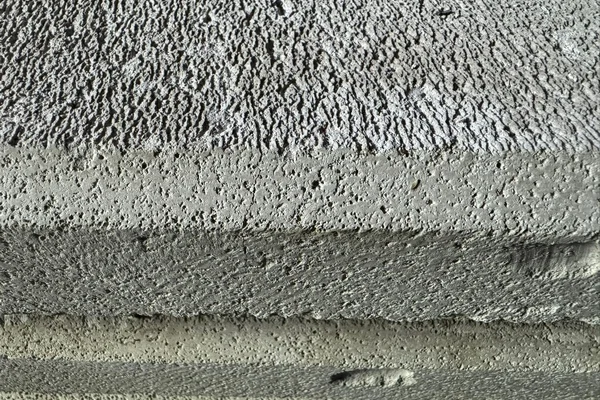
How Engineers Design Structural Repairs for RAAC

Engineers design structural repairs for RAAC by first surveying panel condition, testing deflection and carbonation depth, then specifying CFRP strengthening to restore flexural capacity. Each repair scheme is bespoke: fibre orientation, bonding area, and end anchorage are calculated to the actual load case, using BS EN ISO standards and structural engineering sign-off by a Chartered Structural Engineer.

Designing structural repairs for RAAC panels is a complex process requiring detailed investigation, analysis, and tailored engineering solutions. Engineers cannot treat RAAC like ordinary concrete-it behaves differently, with unique weaknesses. The first step in design is a thorough survey, including intrusive checks to assess reinforcement condition, moisture penetration, and panel integrity. This data informs the engineering approach. Designers must consider several factors: the load the panel carries, the extent of deterioration, the building’s function, and the owner’s requirements for durability and cost. Repairs must not overload panels with excessive weight. This is why lightweight reinforcement methods, such as carbon fibre, are often preferred. Where greater strength is needed, steel plates or composite systems may be used, but always in a carefully calculated way. Another key principle in RAAC repair design is redundancy. Engineers aim to create systems that continue to provide safety even if part of the RAAC deteriorates further. This means designing reinforcement that can carry loads independently of the original material if necessary. The design process also factors in durability. Moisture barriers, corrosion protection, and long-term maintenance are integrated into repair plans. Engineers design not just for today’s safety, but for future performance under real-world conditions. Ultimately, the role of engineering design in RAAC repair is to turn uncertainty into certainty. Owners face a material that is inherently unpredictable; engineers provide a systematic, insurable response. By combining survey data, analysis, and innovative repair methods, structural repair design ensures RAAC panels can be managed safely, giving building owners and occupants peace of mind.

Structural engineer designing RAAC panel repair scheme with CFRP system - Structured Carbon
How Engineers Design Structural Repairs for RAAC

Engineering Design Principles for RAAC Structural Repairs

Designing RAAC repairs is a complex engineering exercise that balances safety, cost and durability. It starts with detailed surveys, often including intrusive checks to expose reinforcement and test material properties. Engineers then model load paths, considering both current conditions and worst-case scenarios. The aim is to design reinforcement that not only restores capacity but can carry loads independently if the RAAC deteriorates further. Options such as carbon fibre, steel plates or resin injection are evaluated for compatibility with the panel’s condition and the building’s function. Redundancy is built in, so failure of the RAAC itself does not compromise safety. Durability is also a central consideration: protective coatings, drainage improvements and maintenance plans are integrated into the repair strategy. Design must comply with government guidance and satisfy insurer requirements. Engineers document their decisions thoroughly, producing calculations and drawings that can be audited. This process reassures owners, regulators and insurers that the repairs are credible. Cost is considered not just in terms of immediate expense but lifecycle value, ensuring repairs are sustainable. By following a design-led process, RAAC repairs move beyond guesswork or generic fixes. They become structured, predictable interventions that deliver long-term safety. For owners, this approach transforms RAAC from a hidden liability into a managed risk, providing clarity, reassurance and compliance. Engineering design is therefore the foundation of any responsible RAAC repair project, ensuring that interventions are both effective today and resilient for decades to come.

Working With Structured Carbon on Designing RAAC Structural Repairs

Designing RAAC repairs is a task that cannot be left to improvisation. Structured Carbon leads with a forensic, design-first approach, creating repair systems that are tailored to each building and certifiable by insurers. Our process begins with detailed surveys, exposing reinforcement and testing panel condition. We then model loads, identify risks and specify reinforcement systems that can carry loads even if the RAAC itself continues to deteriorate. Structured Carbon integrates redundancy into designs, ensuring occupant safety is not dependent on a fragile material. Our solutions balance durability, cost and buildability, selecting from carbon fibre, epoxy resins, steel plates or hybrid systems as appropriate. Compliance with government guidance and insurer requirements is embedded into every design. For building owners, working with Structured Carbon means repairs are transparent, documented and accountable. We do not deliver quick fixes-we create engineered interventions backed by evidence and experience. Our design service also considers long-term performance, incorporating protective measures and maintenance schedules. This approach provides owners with confidence that their RAAC repairs are not only effective today but resilient for decades. With Structured Carbon, RAAC repair design is transformed from uncertainty into certainty, delivering safety, compliance and trust.

This methodology applies whether strengthening occupied buildings, live operational environments, or sensitive heritage assets. Technical context: CROSS-UK guidance on RAAC structural safety.

Share:

Got RAAC? Let us know

Thank you, we have your enquiry

We reply within one working day. If it is urgent, call +44 118 430 8430.
Your details go straight to our team and are not shared with anyone else.

Frequently Asked Questions:

How are RAAC repair designs created?
RAAC repair designs are created through a detailed engineering process that begins with intrusive surveys to uncover reinforcement and measure deterioration. Non-destructive tools like radar scanning complement physical testing, providing a complete picture of structural capacity. Engineers then develop load models, assessing not only current performance but also worst-case scenarios where RAAC continues to degrade. The design must build in redundancy, meaning new reinforcement carries loads independently of the original concrete. Materials such as carbon fibre and resin anchors are specified for their light weight and resistance to corrosion. Protective measures like drainage improvements and coatings are also factored in to extend life. Every design is documented with calculations, drawings and QA plans, ensuring compliance with guidance and insurance requirements. This rigorous, transparent process distinguishes Structured Carbon’s work from improvised or cosmetic fixes. For owners, a design-led repair ensures long-term safety, accountability and reassurance that risks are managed responsibly.
Redundancy plays a crucial role in RAAC repair design because engineers must assume that the underlying material will continue to deteriorate. RAAC’s porosity and shallow reinforcement mean it cannot be relied upon for long-term load carrying. Structured Carbon therefore designs reinforcement systems that can carry full loads independently, even if the RAAC contributes nothing. This principle of redundancy ensures that panels remain safe even in worst-case scenarios, providing owners and insurers with reassurance that risks are managed. Redundancy is achieved by designing carbon fibre composites and resin anchors that distribute loads evenly, bypassing the weak points of the RAAC. Protective measures such as drainage improvements are also included to extend durability. The outcome is a repair system that is not only effective today but resilient against future deterioration. For owners, redundancy means certainty-repairs are not a gamble on the condition of RAAC but a dependable safeguard engineered to meet the highest safety standards.
Compliance in RAAC repair design is required on several levels: engineering standards, government guidance and insurer expectations. Structured Carbon ensures every project aligns with published technical notes and regulations, from intrusive survey protocols to reinforcement installation. We produce design calculations, drawings and risk assessments that can be audited at any stage. Quality assurance is embedded into our process, with inspections and documentation that prove works meet performance requirements. Compliance is not just a box-ticking exercise-it is what makes repairs defensible in legal or regulatory contexts and credible to insurers. For owners, compliance provides protection against liability and confidence that repairs are accepted by stakeholders. Without it, repairs risk being rejected, insurance withdrawn and buildings left unsafe. Structured Carbon builds compliance into every stage of our design and delivery, ensuring RAAC repairs are trustworthy, transparent and future-proof.
RAAC repair designs are supported by comprehensive documentation that proves compliance, safety and durability. Structured Carbon provides survey reports detailing the extent of deterioration, design calculations showing how reinforcement carries loads, and drawings that illustrate installation methods. Risk assessments and method statements outline how work will be delivered safely in occupied buildings. Quality assurance records, including photos, material certifications and inspection logs, provide evidence that repairs are carried out correctly. This documentation is critical for insurers, regulators and owners because it shows that decisions are based on data, not assumptions. It also creates a permanent record for estate managers, supporting future maintenance and audits. For owners, the value of documentation is reassurance-knowing that repairs are not only effective but defensible if challenged. Structured Carbon’s transparent approach ensures that every repair is backed by auditable evidence, giving stakeholders confidence in both the process and the outcome.
Engineering design is the foundation of RAAC repair because it ensures safety is not left to chance. RAAC is unpredictable, and without design, repairs risk being ineffective or even dangerous. Structured Carbon integrates survey data, material testing and structural modelling into every project, ensuring reinforcement systems are tailored to conditions. Our engineers design redundancy into repairs so that even if RAAC contributes nothing, the reinforcement carries the full load. Protective measures such as drainage upgrades and load reduction are also included, extending lifespan. Every design is documented, providing insurers and regulators with auditable evidence. For owners, this process guarantees that interventions are not cosmetic but structural, insurable and defensible. Without design, repairs may look complete but fail under stress. With Structured Carbon, owners gain assurance that every element of their RAAC remediation is engineered for performance, durability and compliance, protecting both buildings and reputations.
Structured Carbon CFRP system for RAAC structural strengthening - engineered in the UK

Questions? Ask us here:

Thank you, we have your enquiry

We reply within one working day. If it is urgent, call +44 118 430 8430.
Your details go straight to our team and are not shared with anyone else.

Contact Details

RAAC guides

Chat on WhatsApp