How Long Do RAAC Repairs Last?

CFRP repairs to RAAC panels are designed to last 25–40 years under normal service conditions, significantly longer than the original RAAC design life of 30 years. Repair longevity depends on the quality of surface preparation, the degree of corrosion in the original steel reinforcement, and whether post-installation monitoring identifies any debonding or moisture ingress at panel edges.

The longevity of RAAC repairs depends on the methods used, the condition of the panels, and the quality of installation. Well-designed repairs using carbon fibre reinforcement or epoxy resin bonding can last decades if environmental conditions are controlled. However, repairs that rely only on surface patching or generic fixes may deteriorate quickly. Because RAAC itself remains fragile and porous, no repair can make it behave like dense concrete. Durability comes from systems that provide independent load-carrying capacity while protecting reinforcement from further corrosion. When properly engineered, RAAC repairs can extend safe use by 20-30 years, giving owners valuable time to plan for full replacement. The key is that repairs must be design-led, tailored to the site, and regularly monitored. Without these factors, RAAC repairs are unlikely to deliver reliable long-term performance.

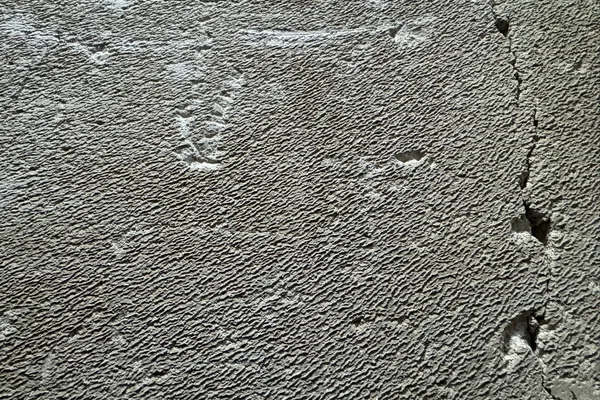
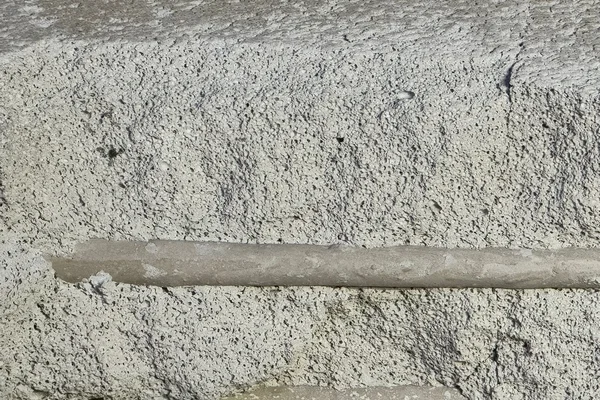
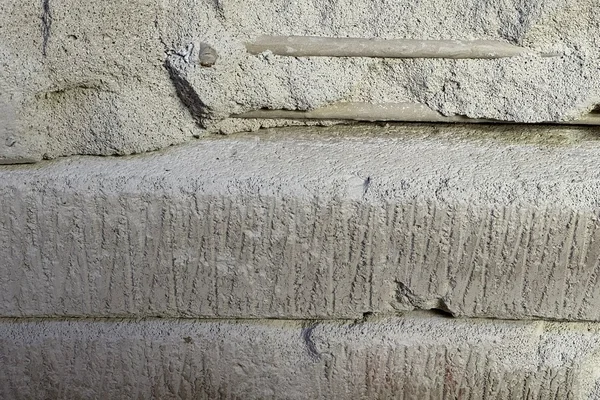
Image from a post on the Structured Carbon website
How Long Do RAAC Repairs Last?

How Long Structural Repairs to RAAC Panels Can Last

The lifespan of RAAC repairs is one of the most common questions building owners and insurers ask, and the answer depends heavily on the quality of design, materials and workmanship. Well-engineered repairs using carbon fibre reinforcement or carefully detailed steel plates can extend the service life of RAAC panels by 20-30 years. However, patch repairs or cosmetic fixes may fail within just a few seasons. The porous nature of RAAC and its shallow reinforcement mean deterioration continues even after repair, so systems must be designed to work independently of the original material if necessary. Engineers build redundancy into repairs, ensuring reinforcement can carry full loads even if the panel degrades further. Regular inspections are also critical, as environmental conditions such as moisture and temperature fluctuations affect durability. Maintenance measures-improved drainage, protective coatings, load reduction-extend repair life further. Owners should treat repairs as time-limited solutions that provide breathing space for long-term planning, not permanent fixes. When executed properly, repairs provide valuable time to plan replacement programmes, secure funding and manage estates responsibly. For insurers, the presence of well-designed, durable repairs demonstrates risk is being actively managed. For occupants, it provides reassurance that buildings remain safe while long-term strategies are implemented. The key message is that RAAC repairs can last, but only when they are engineered, documented and monitored as part of a complete management plan.

Working With Structured Carbon on the Lifespan of RAAC Repairs

When building owners ask how long RAAC repairs last, Structured Carbon gives clear, evidence-based answers. Well-designed repairs using carbon composites and resin anchors can extend the safe use of panels by 20-30 years, provided the environment is controlled and inspections are carried out regularly. Our philosophy is transparency: we explain that RAAC repairs are not permanent, and we design systems with redundancy so that reinforcement can carry full loads even if the panel itself deteriorates further. Structured Carbon integrates protective measures such as drainage improvements, load reduction and coatings to slow down deterioration and maximise lifespan. Unlike quick fixes or cosmetic patches that may fail within a season, our engineered systems are built to stand the test of time and satisfy insurers. We provide owners with inspection schedules and monitoring strategies, ensuring that the repairs remain effective and safe throughout their service life. By working with Structured Carbon, you gain a clear understanding of repair longevity and a reliable, insurable plan for the future, avoiding the uncertainty of unproven methods.

Share:

Got RAAC? Let us know

Thank you, we have your enquiry

We reply within one working day. If it is urgent, call +44 118 430 8430.

Your details go straight to our team and are not shared with anyone else.

Frequently Asked Questions:

How long can RAAC repairs extend service life?
RAAC repairs can extend service life by 20-30 years when designed correctly and supported by environmental improvements. Structured Carbon’s systems use carbon fibre composites and epoxy resins that bond securely to fragile panels and resist corrosion in damp conditions. We also integrate mitigation measures such as drainage improvements and load reduction to maximise durability. Regular inspections are scheduled to monitor performance, ensuring safety is maintained. For insurers, this documented approach provides confidence in long-term safety. For owners, it provides reassurance that buildings can remain in use safely while phased replacement is planned. Repairs are not a permanent fix for RAAC, but they are a safe, insurable way to buy valuable time.
RAAC repairs can extend service life by decades because they replace uncertainty with engineered reinforcement systems that carry loads independently of the weakened panels. Carbon fibre and resin anchors provide durable, corrosion-resistant strength that outlasts temporary fixes. Structured Carbon also integrates environmental improvements such as drainage upgrades and load reduction to further extend performance. With regular inspections, these systems can safely keep buildings in use for 20-30 more years, giving owners valuable time to plan phased replacements. For insurers, the presence of engineered, documented repairs provides reassurance that risks are being actively managed. For owners, it means continuity of service without compromising safety.
RAAC repair extends service life compared with leaving panels untreated by providing new, independent load paths that bypass deteriorated concrete. Without repair, RAAC panels continue to corrode and degrade until sudden failure occurs. Structured Carbon’s reinforcement systems use carbon fibre and resins that resist corrosion and maintain strength for decades. By combining these with mitigation measures, we ensure panels remain safe for 20-30 more years, giving owners valuable time to plan replacement. In contrast, untreated RAAC is unpredictable and unsafe. Repair therefore transforms a liability into a managed, insurable asset.
Monitoring is essential for RAAC repairs to ensure they continue performing as designed. Structured Carbon provides owners with inspection schedules, load checks and environmental assessments tailored to each project. We specify what to look for, how often inspections should occur and how findings should be documented. Monitoring confirms that reinforcement systems remain bonded, coatings are intact and no new deterioration is occurring. For insurers, it demonstrates active risk management. For owners, it provides reassurance that safety is not assumed but proven over time. Monitoring also informs future planning, showing when repairs may need reinforcement or when replacement should be scheduled. Without monitoring, even the best-designed repairs can fall into neglect. With it, RAAC repairs remain reliable, auditable and safe.

RAAC repairs provide only a time-limited solution because the material itself is inherently weak, porous and well past its intended lifespan. No matter how advanced the reinforcement, RAAC cannot be restored to the durability of dense concrete. Structured Carbon is transparent about this reality: our systems extend safe use by 20-30 years but are not permanent. Repairs act as engineered bridges, allowing safe occupancy while phased replacement is planned. By designing reinforcement with redundancy, we ensure safety even if RAAC deteriorates further. For insurers and regulators, this clarity makes repairs credible and insurable. For owners, it provides realistic expectations and confidence that buildings are safe while long-term strategies are prepared. RAAC repairs are invaluable, but they must always be viewed as part of a managed lifecycle, not a final solution.
Structured Carbon CFRP system for RAAC structural strengthening - engineered in the UK

Questions? Ask us here:

Thank you, we have your enquiry

We reply within one working day. If it is urgent, call +44 118 430 8430.

Your details go straight to our team and are not shared with anyone else.

Contact Details

RAAC guides

Chat on WhatsApp