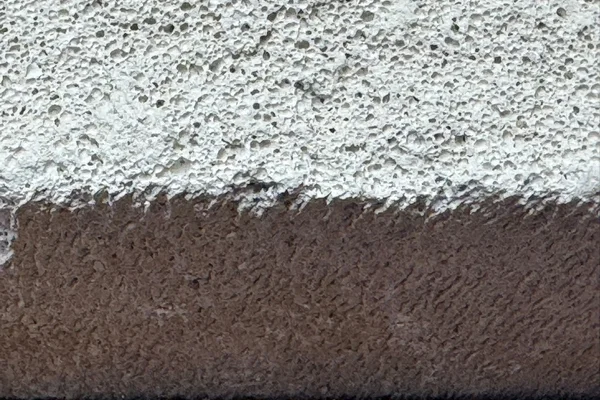
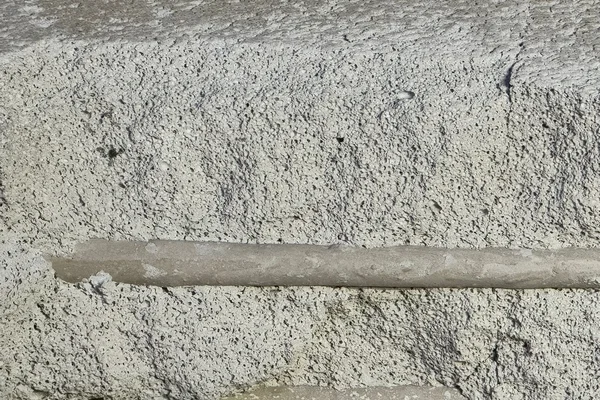
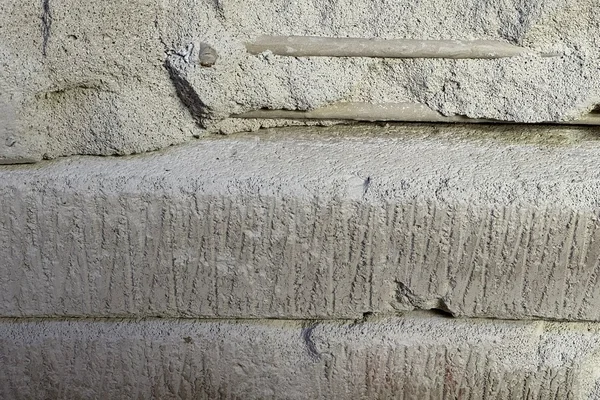
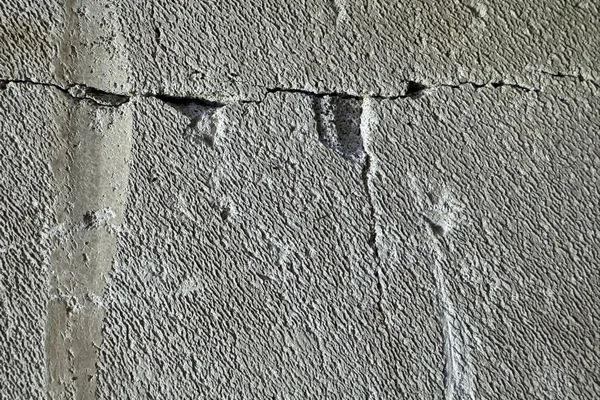
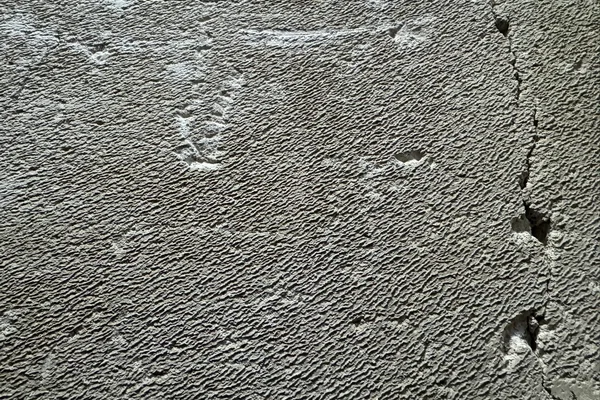
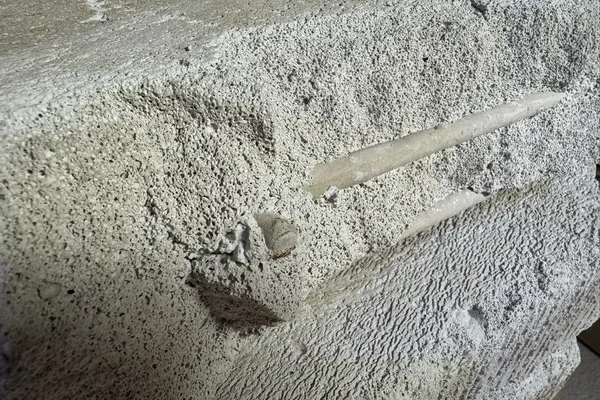
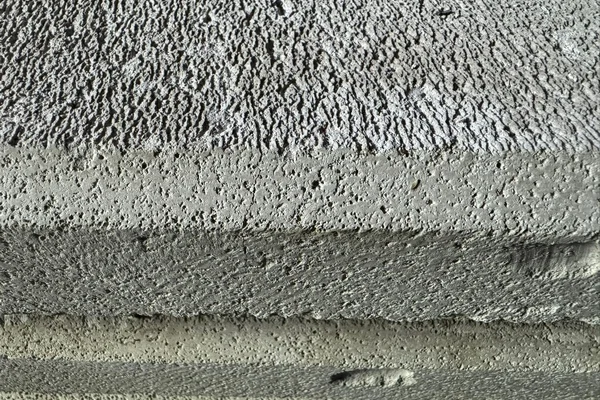
UK universities face a significant RAAC problem because many were built or expanded between the 1950s and 1980s using RAAC flat roof panels in lecture theatres, laboratories, student accommodation, and administrative buildings. The scale of RAAC in university estates is large, and the need to maintain continuous occupation for teaching terms creates complex constraints around survey, repair, and replacement programmes.
Reinforced Autoclaved Aerated Concrete (RAAC) presents a serious structural and safety risk across the UK’s university buildings. Many campuses built or extended between the 1950s and 1990s incorporated RAAC planks in flat roofs, lecture theatres, libraries and laboratories. These panels were chosen for being lightweight and thermally efficient, but decades later, they are beyond their original design life. RAAC is porous, weak in tension and prone to moisture ingress, which accelerates corrosion of the embedded reinforcement. Once corrosion starts, panels can crack or collapse suddenly without warning. The risk is highest where panels are exposed to leaks or poor ventilation. Universities are now conducting extensive surveys to identify affected areas, often guided by Department for Education and Health and Safety Executive advice. Where RAAC is found, immediate mitigation such as propping or temporary closures may be necessary to prevent failure. The long-term management challenge is complex, involving structural engineers, insurers and estate planners. Failure to act can result in severe safety consequences and reputational damage. RAAC risk management requires evidence-led engineering assessments and transparent communication with staff and students. Universities must document findings, prioritise repairs and secure funding for remediation. The risks are manageable if addressed systematically, but ignoring them could endanger lives and disrupt academic operations.
RAAC Risks in UK University Buildings
How CFRP Reinforcement Reduces RAAC Risks in University Structures
Carbon Fibre Reinforced Polymer (CFRP) systems have become one of the most effective, evidence-based solutions for managing and reducing RAAC risks in UK university buildings. Unlike conventional strengthening methods that depend on heavy steel supports or partial replacement, CFRP delivers extremely high tensile strength at a fraction of the weight. This makes it ideal for the lightweight, porous composition of RAAC. In many university estates, ageing roofs and teaching buildings built with RAAC are now decades past their intended lifespan, making reinforcement essential. CFRP panels or strips are bonded to the underside of weakened RAAC planks, immediately increasing load-bearing capacity and preventing brittle failure. Because installation is rapid and non-invasive, lecture theatres, libraries and laboratories can often remain open while works are completed. The materials are corrosion-resistant, moisture-tolerant and proven to perform in variable environments. Detailed engineering design ensures the reinforcement provides independent strength, meaning even if the RAAC deteriorates further, the structure remains stable. CFRP also aligns with sustainability goals by avoiding full demolition and reducing waste. For universities, the combination of safety, speed and long-term reliability makes CFRP reinforcement a clear, insurable route to risk reduction and estate resilience. It transforms RAAC from a structural liability into a managed and monitored asset that satisfies insurers, regulators and students alike. In the context of UK higher education, CFRP is now regarded as the benchmark for responsible RAAC remediation that delivers both technical assurance and operational continuity.
Why Universities Choose Structured Carbon for CFRP RAAC Reinforcement
Universities across the UK are increasingly turning to Structured Carbon for safe, evidence-based CFRP reinforcement of RAAC panels. The company’s reputation is built on the precision and integrity of its engineering approach. Structured Carbon specialises in design-led reinforcement solutions that transform RAAC from an unmanaged risk into a safe, insurable asset. Every engagement begins with a detailed investigation to determine the actual condition of RAAC planks, including reinforcement corrosion, end bearing deterioration and deflection. From this data, engineers develop bespoke CFRP systems designed to create independent tensile capacity without adding significant weight. Because RAAC is lightweight and porous, any additional load can worsen its fragility-Structured Carbon’s carbon fibre systems are therefore engineered to strengthen within those constraints. The result is a permanent, lightweight solution that restores capacity and reduces risk without needing disruptive removal or replacement. Structured Carbon’s focus on evidence, documentation and compliance gives universities the assurance they need to manage RAAC safely while satisfying insurers and regulators. Every system is installed under strict quality control, with detailed calculations, drawings and certification available for audit. By combining engineering rigour with sensitivity to operational needs, Structured Carbon enables universities to maintain safe, functioning buildings while meeting long-term safety and sustainability goals.
Share:
Got RAAC? Let us know
Thank you, we have your enquiry
We reply within one working day. If it is urgent, call +44 118 430 8430.
What are the main structural risks associated with RAAC in UK university buildings?
The main structural risks associated with RAAC in UK university buildings arise from the material’s lightweight, porous nature and the corrosion of its shallow steel reinforcement. Over time, moisture ingress and thermal movement lead to deterioration, reducing load-bearing capacity and creating a risk of sudden collapse. CFRP (Carbon Fibre Reinforced Polymer) systems address these risks by providing independent tensile strength that does not rely on the weakened concrete. When designed correctly, CFRP reinforcement can stabilise RAAC panels and prevent brittle failure, extending the safe life of roofs and floors. The system is lightweight, corrosion-resistant and quick to install, making it ideal for university estates where disruption must be minimised. CFRP solutions also satisfy insurer and regulator requirements by providing verifiable engineering evidence of safety improvements. By using CFRP to reinforce at-risk panels, universities can maintain building safety, reduce operational impact and plan long-term estate renewal without the need for complete replacement.
How can CFRP reinforcement prevent sudden failure of RAAC panels in university buildings?
CFRP reinforcement prevents sudden failure of RAAC panels by providing a permanent, independent load path that no longer relies on the weakened concrete. The carbon fibre is bonded directly to the surface of each panel, restoring tensile strength and stopping cracks from propagating. Because CFRP is lightweight and corrosion resistant, it performs reliably in conditions that would otherwise accelerate RAAC deterioration. For universities, this means structural safety can be restored without removing the panels or closing entire buildings. The reinforcement acts as a safety net, ensuring that even if the internal reinforcement continues to corrode, the panel will remain stable. This engineered reliability is what makes CFRP the preferred approach for preventing collapse and maintaining safe, insurable facilities across university estates.
How does CFRP reinforcement improve the long-term durability of university buildings affected by RAAC?
CFRP reinforcement improves the long-term durability of university buildings affected by RAAC by creating a new, permanent load-bearing system that functions independently of the deteriorated concrete. The carbon fibre material is inherently resistant to corrosion, moisture and temperature variation, which are the primary causes of RAAC failure. Once bonded, CFRP prevents further cracking and deflection while protecting the remaining structure from additional stress. The reinforcement effectively stabilises buildings for decades, extending their operational lifespan without the need for ongoing maintenance. For universities, this means that critical teaching, accommodation and research facilities remain safe, functional and compliant long into the future.
What are the warning signs that RAAC in university buildings may require CFRP reinforcement?
Warning signs that RAAC may require CFRP reinforcement include visible cracking, sagging panels, water ingress, or corrosion stains around joints and end bearings. These indicators show that the internal reinforcement has begun to deteriorate, reducing the panel’s load capacity. Structural engineers also look for deflection under load and surface delamination. Once these signs appear, intrusive investigation confirms the extent of damage. CFRP reinforcement is then used to restore tensile strength and prevent brittle failure. Acting quickly when warning signs are identified prevents escalation and ensures that the building remains safe, stable and insurable for continued university use.
How do universities prioritise which RAAC buildings should receive CFRP reinforcement first?
Universities prioritise which RAAC buildings should receive CFRP reinforcement first based on structural risk, occupancy level and operational importance. Buildings that host large numbers of people, such as lecture theatres and libraries, are typically assessed as high priority. Engineers evaluate condition data from surveys, including signs of corrosion, cracking or deflection, to determine urgency. CFRP is then deployed where the greatest improvement in safety can be achieved quickly. Phased reinforcement programmes allow universities to address the most critical risks first while planning longer-term works for lower-risk areas. This targeted approach ensures that safety resources are used efficiently and effectively.
Questions? Ask us here:
Thank you, we have your enquiry
We reply within one working day. If it is urgent, call +44 118 430 8430.