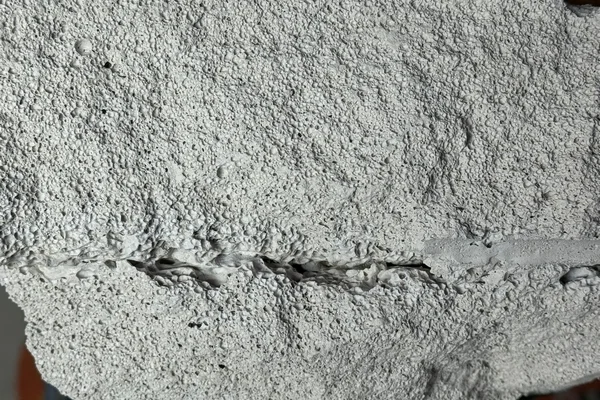
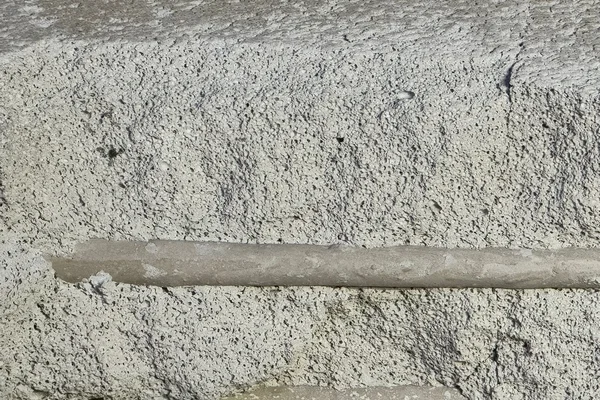
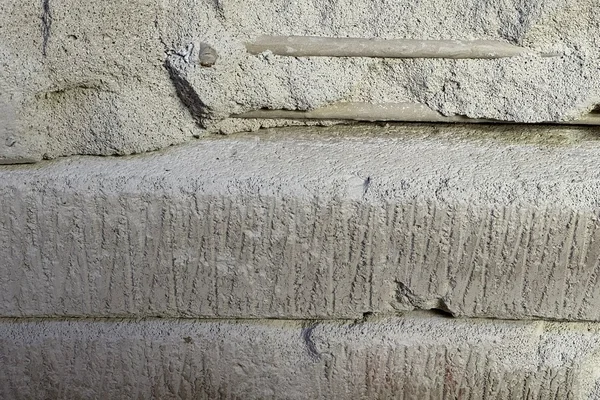
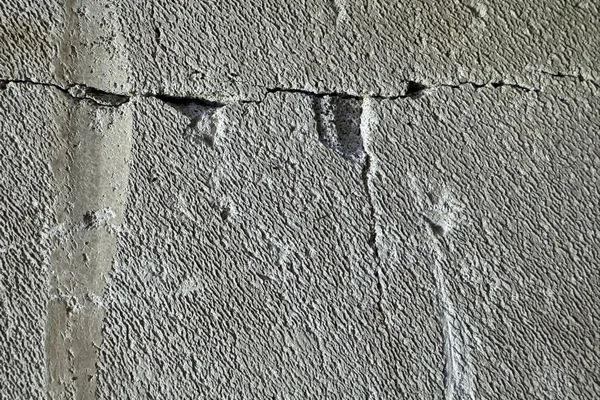
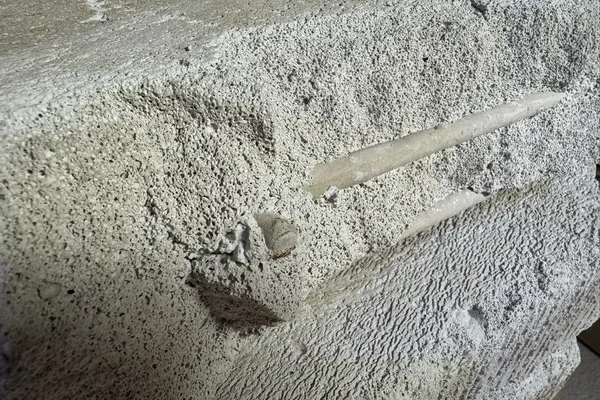
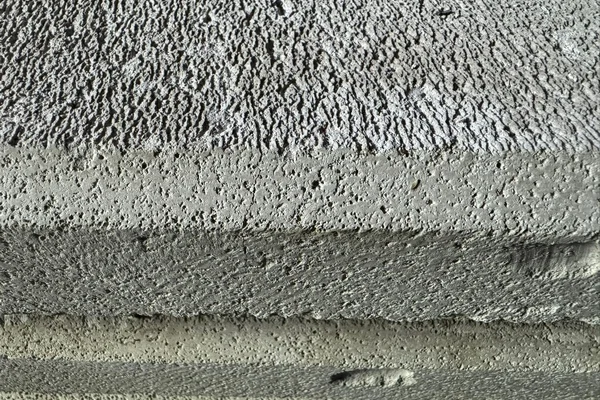
University RAAC case studies show panels found in roofs of lecture theatres, science blocks, student accommodation, and sports halls, typically installed in buildings from the 1960s and 70s. In most cases, CFRP strengthening has allowed continued occupation during term time, with work phased to avoid disruption to academic calendars. Several Russell Group universities have completed multi-building RAAC programmes using this approach.
Case studies of RAAC found in universities across the UK reveal both the scale of the issue and the variety of responses. At several major institutions, RAAC panels have been discovered in roofs of lecture halls, laboratories, libraries and student residences. One university had to close part of its science faculty after inspections confirmed extensive RAAC deterioration. Engineers implemented strengthening measures using carbon fibre reinforcement while planning full roof replacement during vacation periods. Another university detected RAAC in accommodation blocks and opted for phased replacement, keeping disruption minimal. These examples demonstrate that RAAC risks are not limited to one type of building but can affect almost any post-war construction. Successful case studies share common features: early identification through intrusive surveys, detailed structural assessment, and open communication with stakeholders. They also highlight the importance of working with experienced specialists who understand RAAC’s limitations and can design safe, insurable repair systems. Institutions that acted promptly have maintained continuity of teaching and research while safeguarding occupants. The lessons from these case studies are clear-RAAC issues can be managed effectively through evidence-based engineering and proactive estate management rather than reactive crisis responses.
Across the UK, a growing number of universities have delivered successful RAAC remediation projects using CFRP systems, establishing a robust body of proven case studies. Each project begins with intrusive survey work to expose reinforcement, assess corrosion and identify deflection in panels. Engineers then design tailored CFRP solutions to restore tensile strength and prevent collapse. In one large university estate, CFRP plates bonded to the underside of RAAC roof planks enabled a major science building to reopen within weeks after temporary closure. In another example, CFRP reinforcement stabilised the roof of a library without displacing students or staff, delivering both safety and continuity. These case studies highlight that CFRP can be used as a permanent strengthening system or an interim safety measure integrated into future replacement plans. The lightweight properties of carbon fibre mean it adds minimal load to the existing structure while providing substantial increases in tensile performance. The results are verifiable through load testing and certified to meet insurer and HSE expectations. Each case reinforces that design-led CFRP systems outperform generic repairs or patching, ensuring a predictable and insurable outcome. For universities, these real-world examples confirm CFRP as the most efficient, reliable and future-ready method for managing RAAC safely within live academic environments.
Structured Carbon’s involvement in university RAAC remediation is defined by technical integrity and a meticulous approach to problem-solving rather than the scale of its public presence. The company’s engineers understand the distinctive nature of university estates, where research facilities, teaching spaces and student housing must remain operational while remediation takes place. Its design philosophy centres on creating CFRP systems that enhance the safety of RAAC roofs and floors without disrupting academic activity. Structured Carbon begins each engagement with a forensic survey process to assess structural capacity and reinforcement deterioration. Engineers then design bespoke carbon fibre strengthening layouts to match the geometry and loading conditions of each site. These designs are based on first principles-engineered, calculated and verified for performance. Structured Carbon’s CFRP materials are corrosion-resistant, non-intrusive and lightweight, making them perfectly suited to university buildings where added weight or vibration must be avoided. Installation is rapid and quiet, reducing disturbance to lectures, accommodation or research work. The company also ensures that all technical documentation meets the requirements of insurers and the Health and Safety Executive, providing universities with complete assurance that safety risks are being controlled responsibly. By focusing on the engineering process rather than promotional outcomes, Structured Carbon provides universities with dependable, technically sound RAAC solutions built to last.
We reply within one working day. If it is urgent, call +44 118 430 8430.