How Universities Are Responding to RAAC Risks

Universities are responding to RAAC with structured programmes of intrusive surveys, structural engineering assessments, and phased CFRP strengthening or replacement. Many have appointed principal designers under CDM 2015 to manage the process. The approach varies by institution — some have self-funded, others have sought PSCP (Public Sector Contractor Programme) frameworks, and a few have paused occupation of affected buildings pending repair.

Universities are responding to RAAC risks with large-scale survey programmes, engineering-led remediation, and improved estate management processes. Following national guidance, institutions have prioritised identifying where RAAC is present within their buildings. Many have established dedicated task groups combining estates, safety, finance and communications teams. Initial responses often involve temporary measures such as propping or partial closures to ensure safety until permanent repairs can be completed. Long-term strategies vary but commonly include strengthening with carbon fibre systems, resin anchors or full panel replacement. The response is not just technical; it involves financial planning, communication, and compliance. Universities are reporting findings to insurers and regulators, ensuring transparency and accountability. Some have integrated RAAC remediation into wider capital works programmes to minimise disruption. Communication with students and staff has also been a key element, maintaining confidence and preventing misinformation. The sector’s response shows a collective commitment to safety and long-term resilience. By adopting design-led engineering and consistent monitoring, universities are setting standards for responsible RAAC management.

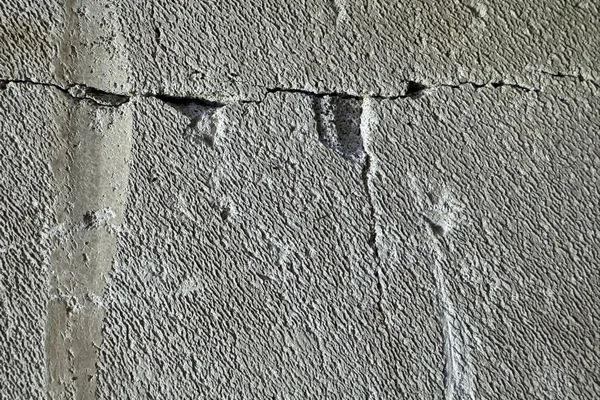
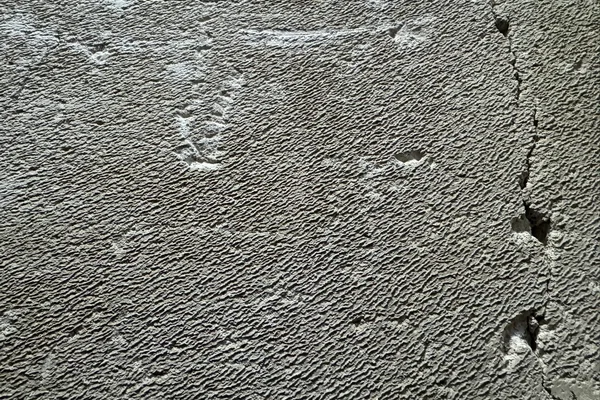
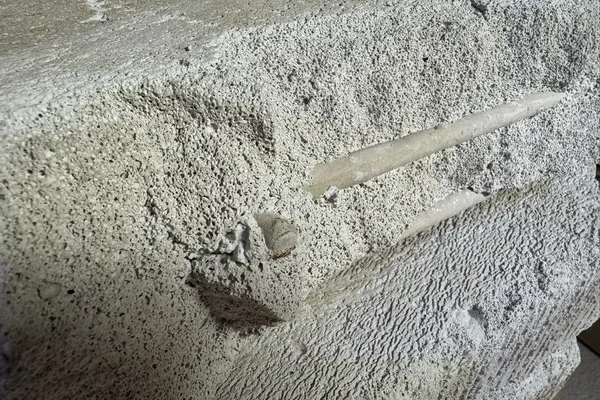
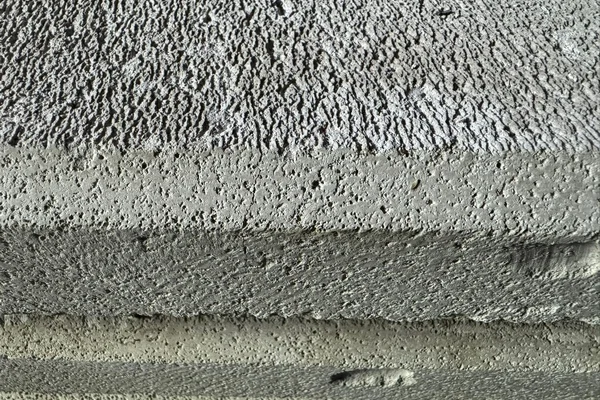
Image from a post on the Structured Carbon website
How Universities Are Responding to RAAC Risks

Engineering-Led RAAC Remediation Using Carbon Fibre Reinforcement

Engineering-led RAAC remediation using CFRP reinforcement represents a fundamental shift in how structural safety is managed across university campuses. Traditional solutions-steel plating, concrete overlays or full roof replacement-often involve lengthy closures and heavy environmental impact. CFRP changes that by delivering a precision-engineered approach tailored to each building’s specific condition. The process begins with detailed structural modelling and on-site testing to determine the exact reinforcement requirements. Engineers then design CFRP laminates or wraps that restore independent load-bearing capacity, ensuring the system remains effective even if RAAC deterioration continues. The bonding process uses advanced epoxy resins and controlled curing to achieve full adhesion and predictable performance. Because CFRP is lightweight and corrosion-resistant, it provides exceptional long-term durability without compromising the building’s integrity. This approach meets the standards of HSE, insurers and regulators while enabling universities to maintain teaching and research operations. The result is a long-term, insurable solution that offers technical certainty and minimal disruption. Engineering-led CFRP remediation ensures every stage-from survey through design and installation-is measurable, traceable and accountable, providing universities with complete assurance that RAAC safety is managed to the highest professional standards.

How Structured Carbon Delivers Safe, Insurable CFRP Solutions for Universities

Working with Structured Carbon gives universities access to one of the most technically advanced and transparent approaches to CFRP reinforcement available in the UK. The company’s engineers treat every RAAC strengthening project as a unique structural design challenge. Rather than relying on off-the-shelf systems, they calculate and verify each solution based on the actual measured condition of the material. CFRP systems are engineered to create independent strength that no longer depends on the degraded concrete below, ensuring safety even if RAAC deterioration continues over time. The installation process is precise and controlled, using epoxy bonding and resin systems proven to perform in real-world environmental conditions. Structured Carbon provides full documentation at every stage-survey data, design drawings, calculations and QA certificates-allowing universities to demonstrate regulatory compliance and satisfy insurer requirements. Beyond the technical output, the company’s collaborative working style means estates, safety and finance teams all receive clear updates, timelines and reporting. The result is not just a reinforced structure, but a verified, insurable asset managed through evidence, design and accountability. For universities facing RAAC challenges, Structured Carbon’s design-led CFRP systems provide long-term assurance with minimal disruption.

Share:

Got RAAC? Let us know

Thank you, we have your enquiry

We reply within one working day. If it is urgent, call +44 118 430 8430.

Your details go straight to our team and are not shared with anyone else.

Frequently Asked Questions:

How are universities adapting their estate strategies to respond to RAAC risks?
Universities are adapting their estate strategies to respond to RAAC risks through comprehensive survey programmes, prioritised safety interventions and the adoption of modern reinforcement technologies such as CFRP. Once RAAC is confirmed in a structure, temporary mitigation measures like propping are used while engineering teams design long-term strengthening solutions. CFRP is increasingly chosen because it provides a permanent fix without adding excessive weight or requiring demolition. The material can be bonded directly to the RAAC surface, restoring tensile strength and preventing further degradation. Universities are incorporating RAAC risk management into broader asset maintenance and sustainability programmes, ensuring budgets are used efficiently. The inclusion of CFRP in these plans aligns with regulatory and insurer expectations by demonstrating measurable, engineered control of risk. This proactive, design-led response allows universities to maintain safe, functional campuses while phasing out reliance on ageing RAAC infrastructure in a planned, cost-effective way.
CFRP is considered the most effective long-term solution for universities managing RAAC risks because it combines safety, speed and durability in one engineered system. Unlike temporary propping or patching, CFRP creates lasting tensile reinforcement that maintains performance even as RAAC continues to age. The material is resistant to corrosion, lightweight and designed to remain effective for decades with minimal maintenance. Universities benefit from lower lifecycle costs and minimal operational disruption. CFRP also satisfies regulatory and insurance requirements by providing complete design and testing documentation. This combination of immediate safety improvement and proven longevity makes CFRP the best value and most reliable choice for long-term RAAC remediation in education estates.
CFRP reinforcement supports compliance with Health and Safety Executive (HSE) guidance by providing an engineered, auditable solution to RAAC risk management. HSE requires that risks from RAAC are either removed or controlled through demonstrable engineering intervention. CFRP achieves this by delivering independent tensile strength that can be verified through calculations, testing and certification. The systems are designed and documented according to structural standards, ensuring traceability and accountability. Universities that implement CFRP can show regulators that they have moved beyond temporary mitigation to a permanent solution. This satisfies the expectation for proactive, evidence-based management of structural risks in occupied buildings.
CFRP offers major advantages over temporary supports or propping systems by providing a permanent, maintenance-free solution. While propping simply transfers loads temporarily, CFRP reinforcement restores the structure’s own load-bearing capacity. It eliminates obstructions caused by props and allows normal building use to continue immediately after installation. The carbon fibre material is corrosion-resistant, lightweight and quick to apply, producing minimal noise or mess. Unlike propping, which must be continually inspected, CFRP remains effective for decades without adjustment. For universities, this means safer, insurable, and more efficient management of RAAC without disrupting academic operations or long-term planning.

CFRP strengthening can be effectively combined with other maintenance or refurbishment works such as roof waterproofing, insulation upgrades or drainage improvements. Because CFRP systems bond directly to the surface of existing structures, they can be integrated into wider building improvement programmes without conflict. Universities often coordinate strengthening with energy-efficiency projects to minimise disruption and maximise funding value. This joined-up approach not only ensures structural safety but also enhances building performance and sustainability. Combining CFRP reinforcement with refurbishment reduces overall project time and cost while delivering multiple estate improvements through a single coordinated process.
Structured Carbon CFRP system for RAAC structural strengthening - engineered in the UK

Questions? Ask us here:

Thank you, we have your enquiry

We reply within one working day. If it is urgent, call +44 118 430 8430.

Your details go straight to our team and are not shared with anyone else.

Contact Details

RAAC guides

Chat on WhatsApp