The Cost of RAAC Repairs in University Estates

RAAC repair costs in university estates range from £150–£400 per square metre for CFRP strengthening, compared with £800–£2,500 per square metre for full roof replacement. Large universities with multiple affected buildings face total programmes of £2–20 million. CFRP strengthening allows phased investment and avoids the full decant and business interruption costs associated with replacement.

The cost of RAAC repairs in university estates is substantial and varies depending on building size, usage, and the level of deterioration. Universities face significant financial pressures because RAAC issues can affect multiple campuses and building types simultaneously. Costs include surveys, temporary mitigation, design work, strengthening, and eventual replacement. Strengthening solutions using carbon fibre or lightweight steel systems can extend the life of existing panels at lower cost than full replacement, while maintaining safety and insurability. However, where corrosion and cracking are severe, replacement remains the only viable option. The financial burden extends beyond construction costs to include temporary relocation of teaching and research activities, communication management, and potential reputational impacts. Some universities have obtained government or insurance funding, while others rely on internal capital budgets. Integrating RAAC repairs with broader refurbishment or energy-efficiency upgrades can improve value for money. Despite the high costs, delaying action risks greater long-term expense through emergency works or building closure. Responsible management therefore requires clear prioritisation, transparent communication, and accurate financial forecasting to ensure that safety standards are maintained while budgets are managed effectively.

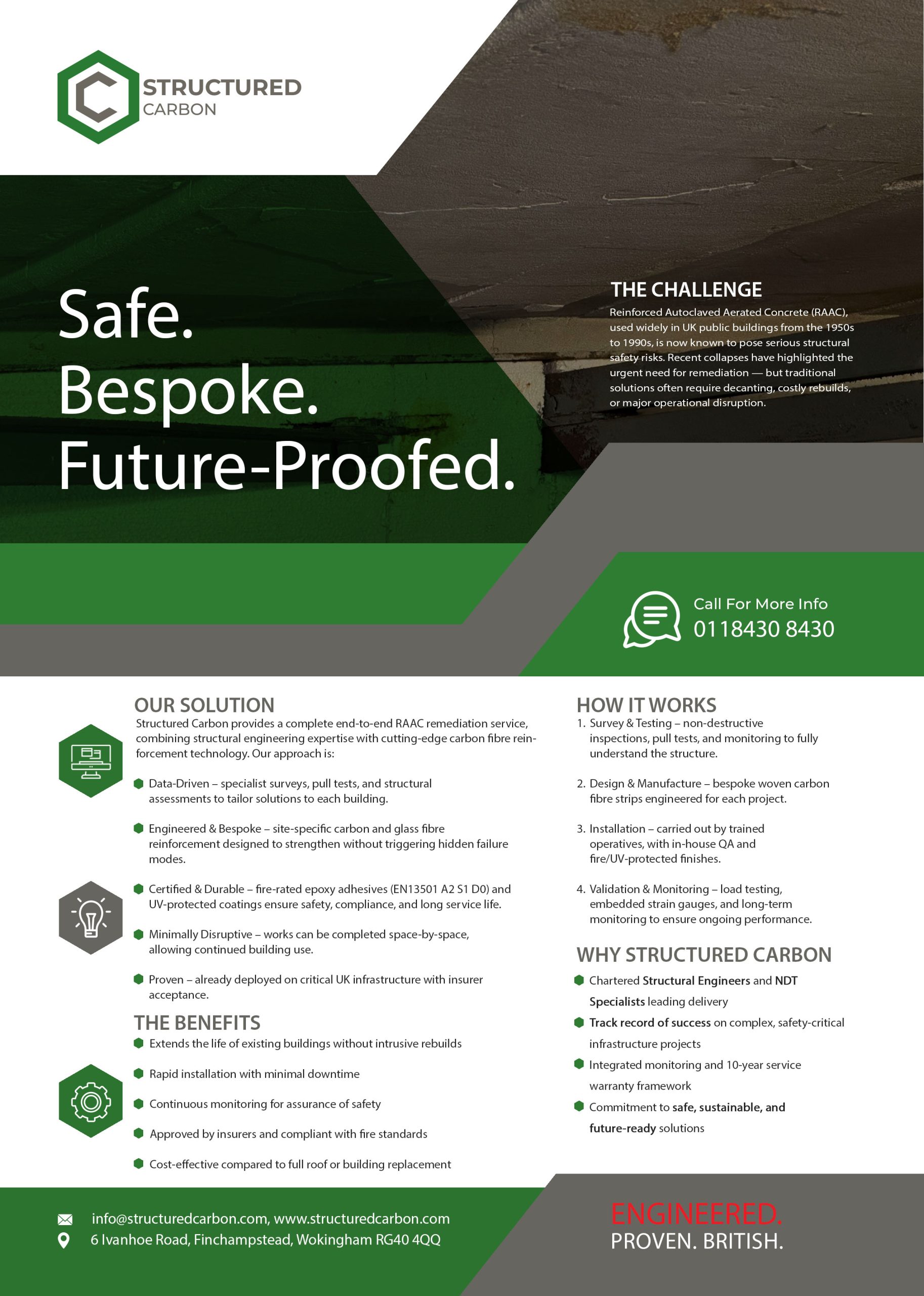
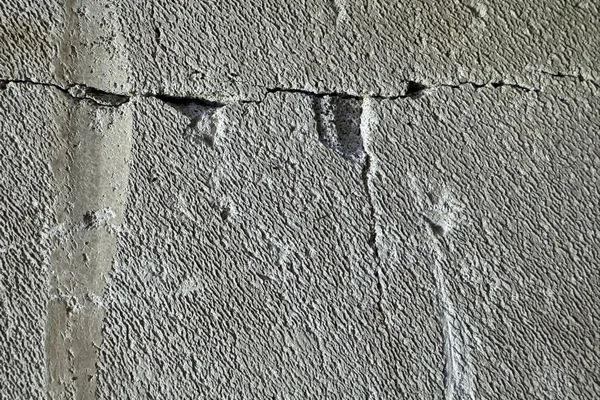
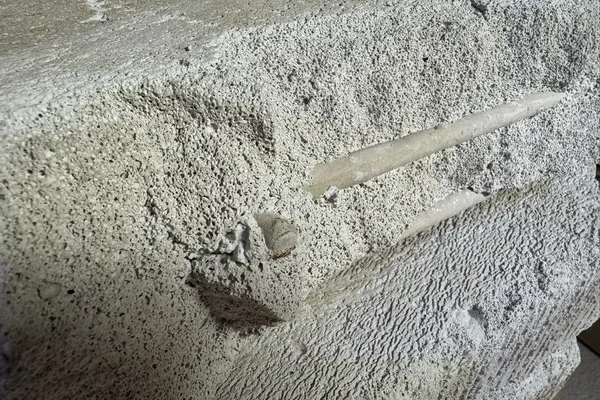
Image from a post on the Structured Carbon website
The Cost of RAAC Repairs in University Estates

Balancing RAAC Repair Costs With Long-Term CFRP Strengthening Benefits

Managing the financial impact of RAAC remediation is a significant challenge for universities, but CFRP strengthening provides a cost-effective alternative to full replacement. While installation requires skilled engineering design and material procurement, the overall cost profile is substantially lower than reconstruction. Because CFRP is lightweight, it avoids the need for additional structural supports or removal of roof decks, reducing both labour and materials expenditure. Installation is rapid, often completed within days, allowing universities to avoid prolonged building closures and associated income loss. The material’s long lifespan-typically over 30 years-means reduced maintenance and inspection costs compared with temporary measures. Furthermore, CFRP reinforcement qualifies as an insurable, permanent fix, improving access to insurance coverage and lowering long-term risk premiums. Financially, universities can integrate CFRP projects into planned capital maintenance budgets, spreading investment over multiple years while maintaining compliance. Many institutions are also aligning CFRP installations with energy-efficiency upgrades to maximise funding opportunities. When analysed over a full life cycle, CFRP consistently delivers lower cost per square metre of restored structural capacity than steel or replacement systems. For universities facing financial pressures, CFRP offers the best balance between immediate safety assurance and long-term economic efficiency, transforming necessary safety work into a strategic investment in durable infrastructure.

Engineering Excellence: Structured Carbon’s Role in University RAAC Safety

Engineering excellence is central to Structured Carbon’s role in improving RAAC safety across UK university estates. The company’s work is grounded in professional standards and technical accuracy rather than promotional claims or volume of completed projects. Its focus is on delivering engineering certainty for every client through design, documentation and quality assurance. Structured Carbon’s engineers apply composite material science to create CFRP systems that strengthen RAAC safely without altering the building’s function or form. Each solution is engineered from first principles and verified through detailed calculation and material testing. The company adheres to the highest quality standards, ensuring that all systems are installed in accordance with design intent and manufacturer specifications. In academic settings, where disruption must be kept to a minimum, Structured Carbon’s installations are carried out swiftly and cleanly, often in phases that align with academic timetables. The result is structural reinforcement that achieves the highest level of safety and compliance while remaining virtually invisible to building users. Structured Carbon’s professionalism, transparency and technical depth have established it as a trusted name in the engineering of CFRP systems for RAAC, helping universities strengthen their estates with solutions that meet both present safety needs and future performance expectations.

Share:

Got RAAC? Let us know

Thank you, we have your enquiry

We reply within one working day. If it is urgent, call +44 118 430 8430.

Your details go straight to our team and are not shared with anyone else.

Frequently Asked Questions:

What factors influence the overall cost of RAAC repairs in university estates?
The cost of RAAC repairs in university estates varies depending on the extent of damage and the chosen remediation method. Full replacement of RAAC roofs can be extremely expensive and disruptive, often requiring closure of key teaching spaces. CFRP reinforcement provides a far more cost-effective alternative, allowing structural capacity to be restored in situ. Installation is fast, quiet and non-intrusive, significantly reducing labour and downtime costs. Because CFRP adds very little weight, it eliminates the need for additional structural supports, further cutting expenses. Over its lifecycle, CFRP also requires minimal maintenance, lowering long-term costs compared with temporary propping or steel replacement. When properly designed and installed, CFRP reinforcement meets safety and insurance standards, providing a permanent solution with predictable performance. Universities adopting CFRP for RAAC remediation benefit from improved cost control, reduced operational disruption and long-term structural assurance-all while ensuring compliance with national safety guidance.

CFRP reinforcement significantly reduces the long-term repair and maintenance costs associated with RAAC structures. Once installed, the material requires virtually no maintenance because it is corrosion resistant and unaffected by environmental changes. This eliminates recurring expenses linked to propping, inspections and patch repairs. Installation is quick, reducing labour and downtime costs. By extending the life of existing structures, CFRP also prevents the major capital expenditure of full replacement. Over time, universities save money through reduced operational disruption, lower insurance premiums and avoidance of emergency closures. The result is a cost-efficient, long-lasting solution that ensures safety without compromising financial stability.
CFRP provides superior long-term value compared with traditional steel or concrete repairs because it combines exceptional durability with minimal maintenance. Unlike steel, CFRP does not corrode, even in high-moisture environments. It also requires no heavy structural modification or additional support, which reduces labour and material costs. The lifespan of CFRP systems typically exceeds thirty years, providing ongoing safety assurance without recurring expenditure. Installation is quick, eliminating downtime and the indirect costs associated with closures. For universities, the result is a cost-effective, sustainable strengthening method that ensures safety and compliance while preserving resources for future estate investment.
CFRP reinforcement helps universities manage financial risk during large-scale RAAC remediation by reducing both immediate and long-term costs. The system is significantly cheaper than full structural replacement and eliminates the expense of temporary relocation or building closure. Installation can be phased across multiple sites to match available budgets, spreading investment over several financial periods. CFRP also reduces ongoing maintenance costs due to its corrosion resistance and durability. The detailed documentation provided supports funding applications and satisfies insurers. By choosing CFRP, universities minimise financial exposure while securing a reliable, permanent solution that protects assets and ensures long-term value.
CFRP contributes to long-term financial planning and asset management by extending the usable life of buildings and reducing the need for costly replacements. The system’s durability means maintenance budgets can be reallocated to other priorities, and its low lifecycle cost supports sustainable estate planning. Universities can forecast future expenditure more accurately because CFRP reinforcement eliminates the uncertainty of recurring repairs. The technology also enhances building insurance value by reducing risk and providing verified engineering documentation. In strategic asset management terms, CFRP allows universities to convert immediate liabilities into stable, long-term assets with predictable financial outcomes.
Structured Carbon CFRP system for RAAC structural strengthening - engineered in the UK

Questions? Ask us here:

Thank you, we have your enquiry

We reply within one working day. If it is urgent, call +44 118 430 8430.

Your details go straight to our team and are not shared with anyone else.

Contact Details

RAAC guides

Chat on WhatsApp