The Impact of RAAC on University Operations

The discovery of RAAC has disrupted university operations through emergency closures, room reallocation, and deferred capital investment. Several universities have been forced to cancel lectures, relocate research facilities, and re-schedule examinations when RAAC buildings have been taken out of service at short notice. Proactive survey and repair programmes significantly reduce this operational risk.

The discovery of RAAC has had a significant impact on university operations across the UK. Many institutions have been forced to close or restrict access to key facilities while surveys and repairs are undertaken. Teaching has been relocated, research activities moved, and budgets restructured to manage urgent safety work. The administrative challenge has been enormous, requiring coordination between estates, finance and academic departments. Universities have prioritised transparent communication with students and staff to explain the situation and maintain confidence. While disruption has been unavoidable, the process has also encouraged better asset management and highlighted the need for proactive maintenance strategies. Some universities have used RAAC remediation as an opportunity to modernise older facilities, integrating sustainability improvements alongside safety works. The experience has underlined the importance of engineering evidence, clear decision-making and investment in estate renewal. In the long term, universities addressing RAAC now will have safer, more efficient and more resilient campuses as a result.

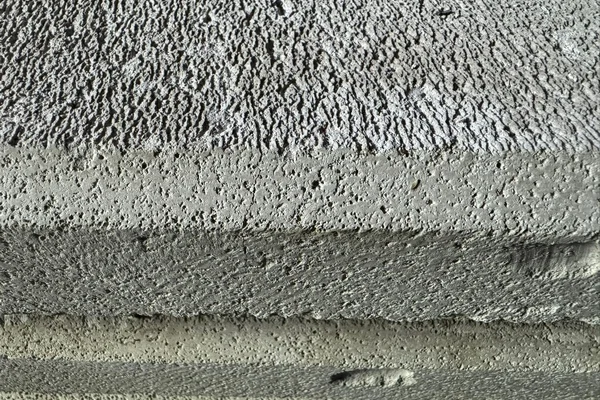
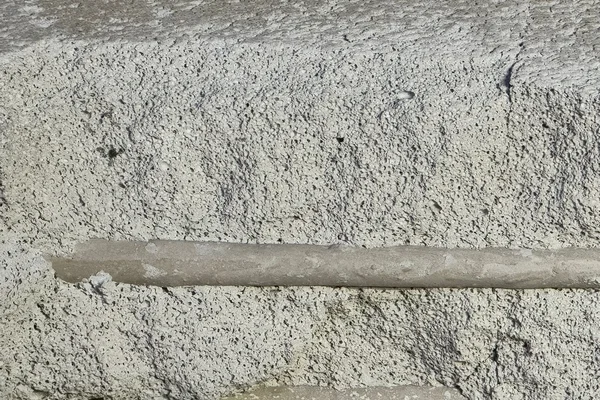
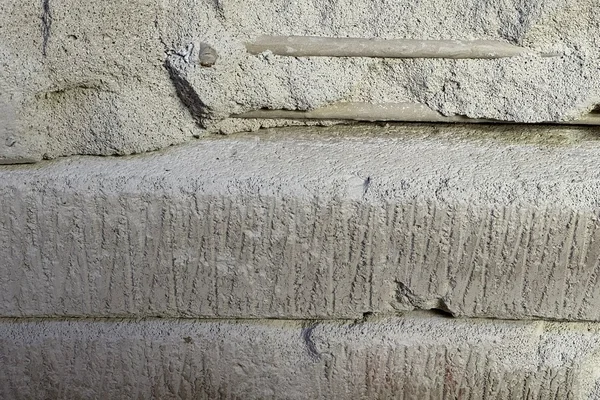
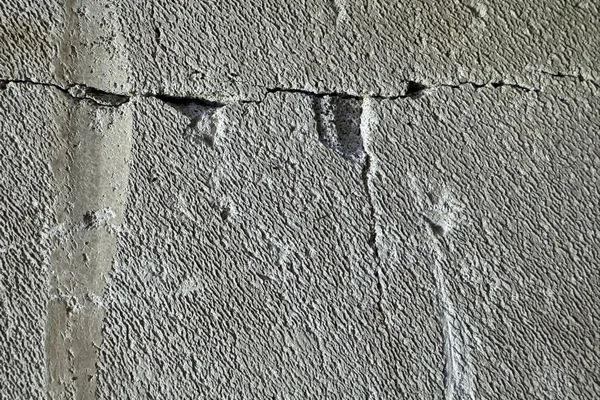
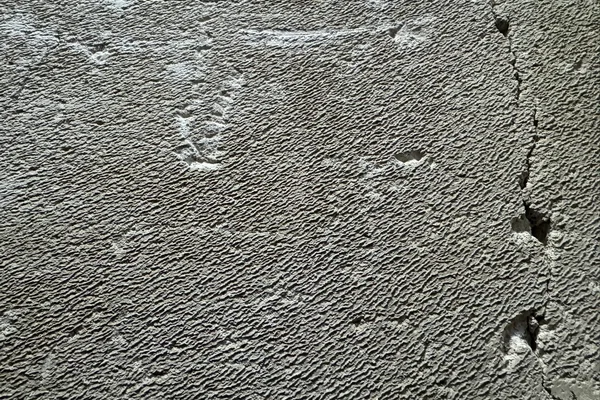
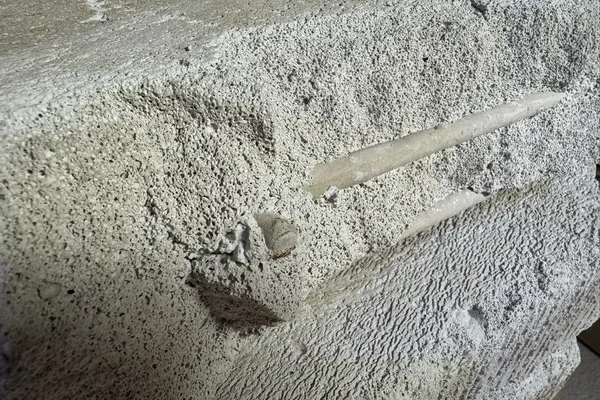
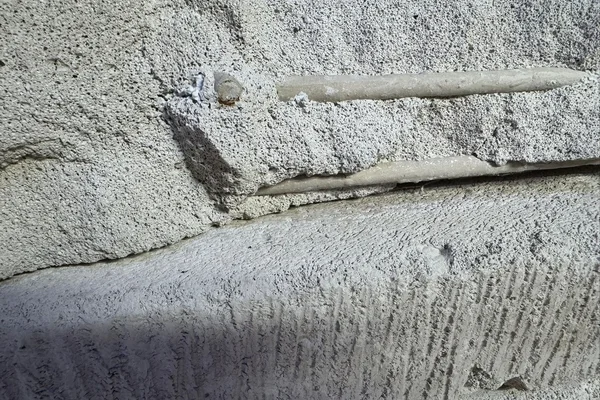
Image from a post on the Structured Carbon website
The Impact of RAAC on University Operations

Minimising Disruption Through CFRP-Based RAAC Repair Solutions

CFRP-based RAAC repair solutions are transforming the way universities manage the operational impact of structural risk. Traditional RAAC repairs or replacements often require prolonged closures that disrupt academic schedules and research activities. CFRP offers a faster, cleaner and more predictable alternative. Once structural surveys identify weakened RAAC panels, carbon fibre strips or sheets are installed to restore strength, typically within days rather than weeks. The process generates minimal noise and dust, allowing adjacent teaching or residential areas to remain open. CFRP’s strength-to-weight ratio makes it ideal for spanning long roof bays and restoring structural continuity across joints. Because the system is bonded directly to the substrate, there is no need for heavy lifting or removal of large roof sections. Universities benefit from uninterrupted operations, reduced safety risk and documented compliance for insurers. CFRP also reduces long-term maintenance costs since the materials are corrosion-resistant and require no future replacement under normal service conditions. By integrating CFRP repair solutions into their estate strategies, universities can address RAAC proactively, keeping their campuses open, safe and fully functional while ensuring long-term confidence in building performance.

Delivering Confidence Through Structured Carbon’s CFRP Engineering Expertise

Structured Carbon delivers confidence to universities through its combination of CFRP engineering expertise, quality assurance and commitment to long-term safety. Every project begins with a detailed technical assessment that informs the design of bespoke reinforcement layouts using carbon fibre plates or sheets. These materials are selected for their high tensile strength, durability and resistance to environmental degradation. Structured Carbon’s engineers calculate load distribution, adhesive performance and bond stress to ensure the system behaves predictably under service conditions. Installation is performed under strict supervision, using methods that guarantee full adhesion and uniform load transfer. The company’s documentation-covering survey results, structural analysis, material certification and installation records-provides complete traceability for insurers and regulators. For universities, this means assurance that remediation is not a temporary measure but a permanent, engineered solution. Structured Carbon’s clear communication and technical transparency allow estates teams to understand each stage of the process, from investigation through verification. The outcome is more than restored safety-it is enduring confidence that every aspect of RAAC strengthening has been designed, tested and delivered according to the highest engineering and compliance standards.

Share:

Got RAAC? Let us know

Thank you, we have your enquiry

We reply within one working day. If it is urgent, call +44 118 430 8430.

Your details go straight to our team and are not shared with anyone else.

Frequently Asked Questions:

How does the presence of RAAC impact the day-to-day operations of universities?
The discovery of RAAC can significantly affect university operations, often requiring the closure or restricted use of key buildings. This disruption impacts teaching schedules, accommodation capacity and research access. CFRP reinforcement offers a solution that minimises operational downtime by allowing buildings to remain functional during strengthening works. Because installation is fast and clean, lecture theatres, laboratories and offices can often stay open with limited adjustments. CFRP’s lightweight properties prevent overloading existing structures, and its long-term durability reduces future maintenance or inspection requirements. By addressing RAAC risks proactively through CFRP remediation, universities can avoid the reputational and financial costs of emergency closures. The use of engineered, insurable reinforcement systems demonstrates responsible risk management and reassures staff, students and insurers that safety is being controlled effectively. In practice, CFRP reinforcement helps universities protect continuity of education, maintain safety compliance and strengthen public confidence in their estate management.

Using CFRP reinforcement allows universities to maintain teaching and research continuity during RAAC remediation. Installation is non-intrusive, often taking place during evenings or between academic terms. Because CFRP does not require demolition or heavy machinery, buildings can stay operational while work progresses. The reinforcement’s rapid curing process means areas can be reopened quickly, avoiding the long closures typical of replacement projects. By preventing disruption to classrooms and laboratories, CFRP helps universities meet safety obligations without compromising their academic schedules. This ensures that risk management and operational performance remain aligned.
Universities can maintain building operations during CFRP works by implementing phased construction schedules and temporary access controls that isolate work zones from occupied areas. Because CFRP installation is non-invasive, large portions of a building can remain open while specific areas are strengthened. Clear communication, flexible scheduling and coordination between estates and academic departments ensure minimal interference with teaching and research. The absence of heavy equipment or noisy processes further reduces disruption. This method allows universities to complete essential RAAC reinforcement discreetly, keeping staff and students safe without major operational interruption.
CFRP reinforcement ensures uninterrupted academic schedules by allowing works to take place alongside teaching and research with minimal interference. The system can be installed during evenings, weekends or holidays, depending on the building’s use. Because no heavy machinery or structural removal is required, noise and vibration are minimal. Most areas remain accessible throughout the process. The rapid installation and curing times mean rooms can reopen quickly, preventing loss of teaching space. For universities, this efficiency preserves academic continuity and ensures that essential safety improvements are delivered without compromising core educational activities.
Planning CFRP works across multiple university sites requires a structured project management approach that integrates survey data, prioritisation and phased delivery. The process begins with risk categorisation based on building condition and occupancy. Detailed designs and budgets are then prepared for each site. Scheduling ensures that works occur during low-occupancy periods to minimise disruption. Structured Carbon coordinates communication between estates, finance and safety teams to maintain progress visibility. Quality assurance and compliance documentation are maintained centrally for each phase. This organised approach enables universities to deliver consistent safety outcomes efficiently across their entire estate.
Structured Carbon CFRP system for RAAC structural strengthening - engineered in the UK

Questions? Ask us here:

Thank you, we have your enquiry

We reply within one working day. If it is urgent, call +44 118 430 8430.

Your details go straight to our team and are not shared with anyone else.

Contact Details

RAAC guides

Chat on WhatsApp