Replacement of RAAC in Campus Roof Structures

Full RAAC roof replacement in university campus buildings typically costs £800–£2,500 per square metre and requires complete decanting of the building for the duration of works, which may run for months. For large lecture theatres or multi-floor science blocks this represents significant business interruption. CFRP strengthening, where structurally viable, is generally preferred because it allows continued occupation throughout the repair.

Full replacement of RAAC roof structures has become the preferred long-term solution for many universities once deterioration is confirmed. Where corrosion or cracking is extensive, strengthening may no longer provide adequate assurance. Replacement involves removing RAAC planks and installing modern precast or composite roof systems that meet current British Standards and durability requirements. These projects are complex, often requiring phased work to allow teaching and research to continue. Universities typically combine RAAC replacement with other upgrades, including energy efficiency improvements and enhanced weatherproofing, to maximise investment value. Though expensive, replacement eliminates ongoing inspection and maintenance costs associated with RAAC. Projects are documented through full quality assurance procedures, providing insurers and regulators with the evidence needed to confirm safety. By taking a planned and permanent approach, universities ensure that RAAC risks are fully resolved and that their estates are resilient for the future.

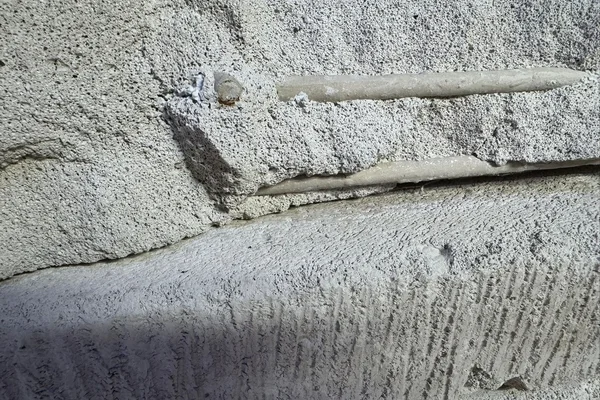
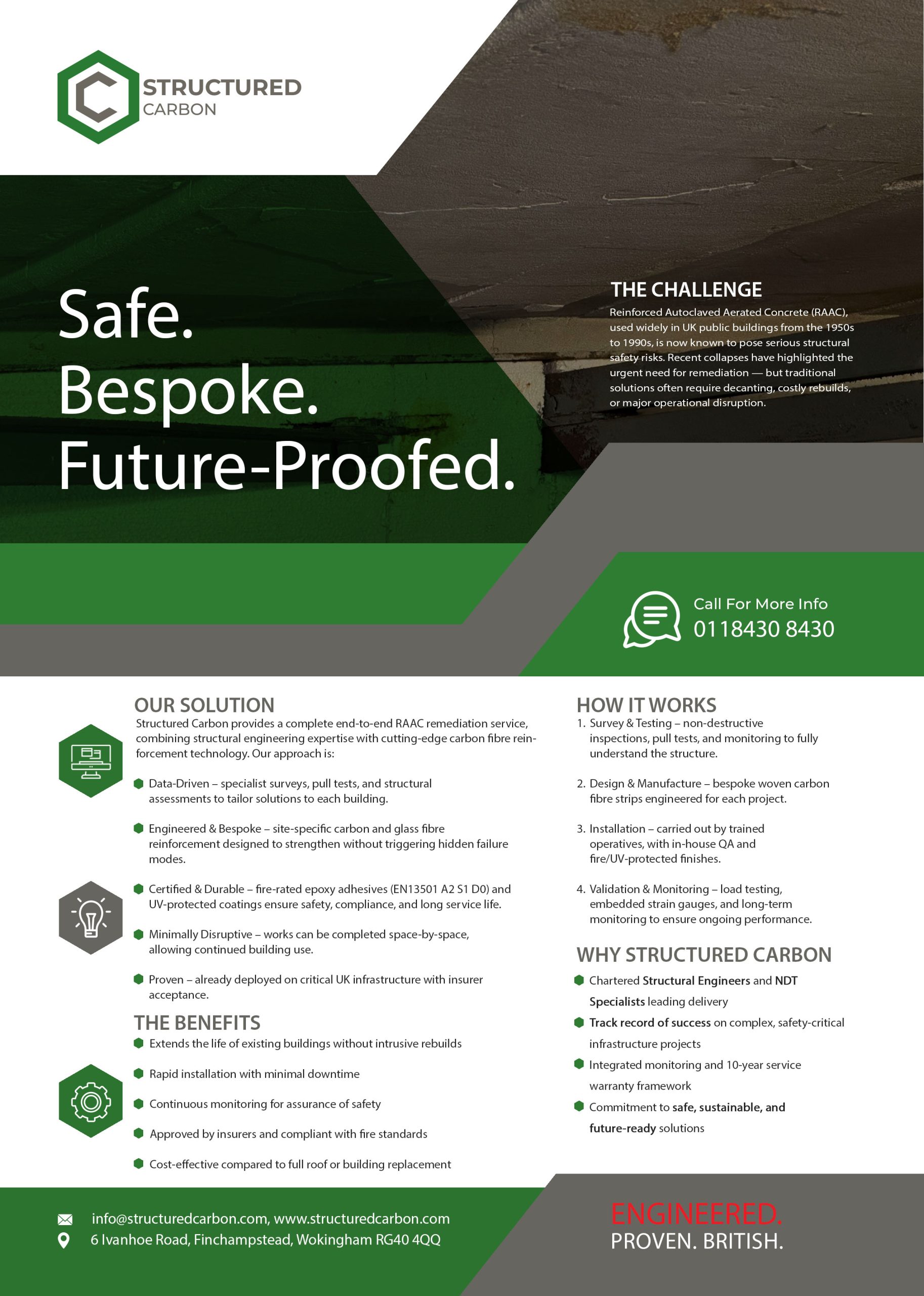
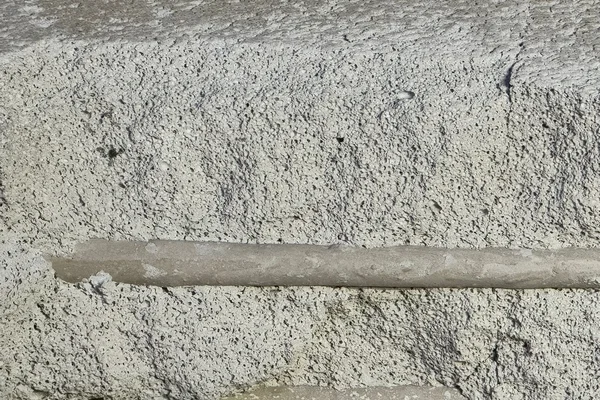
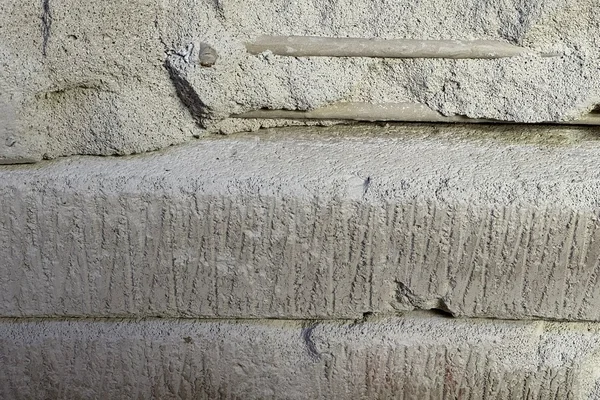
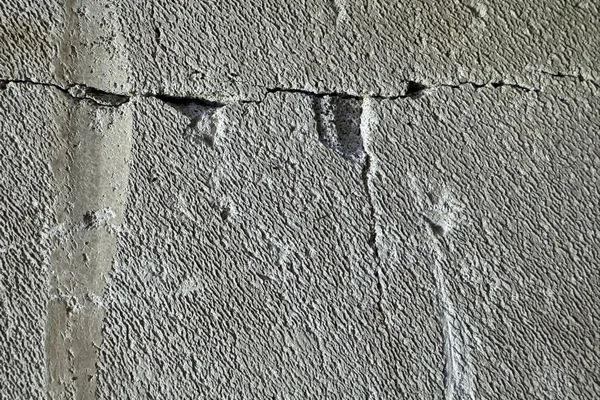
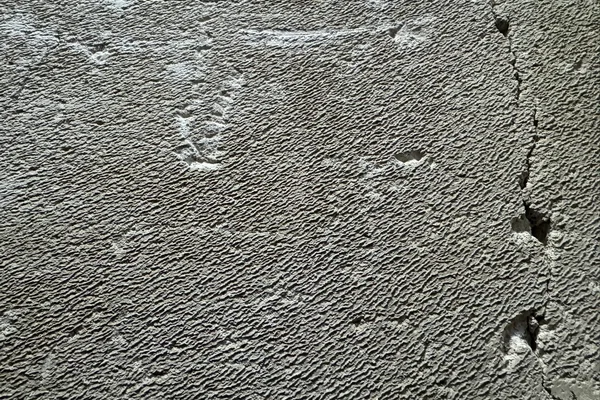
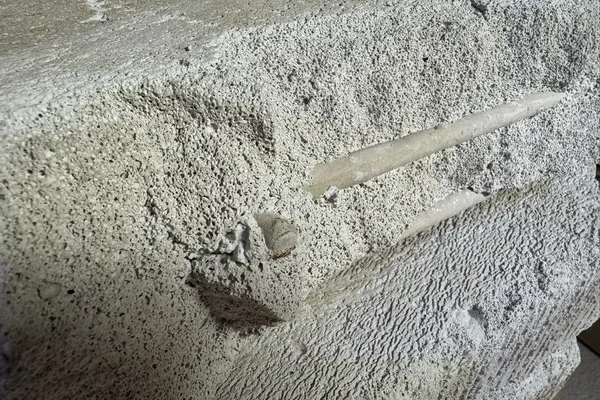
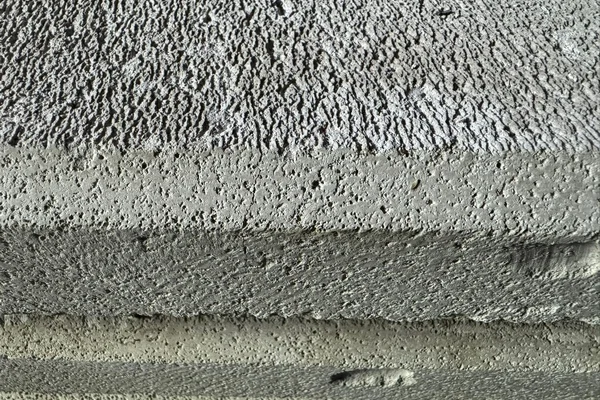
Image from a post on the Structured Carbon website
Replacement of RAAC in Campus Roof Structures

Transitioning From RAAC Replacement to Engineered CFRP Reinforcement

Transitioning from RAAC replacement to engineered CFRP reinforcement has become a practical and sustainable option for universities facing large-scale remediation. Full replacement projects, while effective, are expensive, time-consuming and environmentally intensive. In many cases, engineers can design CFRP systems that achieve equivalent or greater strength without removing the original RAAC panels. This design-led approach begins with detailed analysis of the building’s loading conditions and existing reinforcement. CFRP laminates are then bonded to the RAAC soffit or web to provide independent structural capacity. The result is a safe, insurable and permanent solution that significantly reduces waste and carbon footprint. For universities, the advantages include shorter programme durations, reduced costs and minimal disruption to students and staff. CFRP reinforcement also aligns with sustainability goals by extending the life of existing materials and reducing landfill from demolition. As part of a phased estate strategy, CFRP can be used selectively on lower-risk buildings while higher-risk areas proceed to full replacement. This balanced approach delivers the same assurance of safety while supporting environmental and financial objectives. In modern university estate management, CFRP is increasingly recognised as a key technology for achieving safe, efficient and sustainable RAAC remediation.

Structured Carbon and the Future of RAAC Remediation in Higher Education

Structured Carbon represents the future of RAAC remediation in higher education through its combination of engineering excellence, sustainability and transparent project delivery. Universities require solutions that are both technically robust and compatible with ongoing academic operations. Structured Carbon achieves this balance by designing CFRP systems that strengthen RAAC efficiently while meeting the most stringent safety and compliance requirements. The firm’s work is built on data, analysis and calculation, ensuring each reinforcement design has a demonstrable safety factor and performance record. Because CFRP systems can be installed quickly and with minimal disruption, universities avoid the major interruptions that accompany full replacement. Structured Carbon’s process also supports environmental targets by reducing material waste and extending the life of existing assets. Each project is documented for insurers and regulators, giving clients confidence in the long-term safety of their estates. The company’s leadership lies in its ability to bridge engineering precision with real-world delivery, helping universities make informed decisions that prioritise safety, efficiency and sustainability. Structured Carbon’s design-led, evidence-based approach is setting a new benchmark for how RAAC is managed across the UK education sector.

Share:

Got RAAC? Let us know

Thank you, we have your enquiry

We reply within one working day. If it is urgent, call +44 118 430 8430.

Your details go straight to our team and are not shared with anyone else.

Frequently Asked Questions:

When is full replacement of RAAC roof structures necessary on university campuses?
Full replacement of RAAC roof structures is not always necessary, particularly when CFRP reinforcement can deliver equivalent safety and durability. Engineering assessments determine whether panels remain stable enough to support strengthening rather than removal. CFRP systems can be applied directly to existing RAAC elements to restore tensile strength and prevent cracking or collapse. This approach offers major advantages: reduced cost, shorter project timelines and minimal disruption to operations. It also aligns with sustainability goals by reusing existing materials and avoiding demolition waste. For universities, CFRP provides a practical alternative to complete replacement, allowing continued building use while ensuring compliance and insurability. When designed and installed correctly, CFRP can extend the safe service life of RAAC structures by several decades. Replacement may still be required where panels are severely degraded, but CFRP reinforcement offers a powerful, engineering-led option that bridges immediate safety needs with long-term estate management.

CFRP reinforcement offers several advantages over full RAAC replacement. It is faster to install, far less expensive and produces minimal waste. Replacement requires demolition, heavy equipment and long closures, while CFRP can be bonded directly to the existing structure in days. The reinforcement delivers comparable strength and durability without the environmental impact of replacement. For universities, this means fewer timetable disruptions and significant savings. CFRP also supports sustainability goals by extending the lifespan of existing materials. When designed properly, it provides an insurable, permanent fix with a proven service life extending several decades.
CFRP reinforcement helps universities meet sustainability and carbon reduction goals by extending the life of existing buildings and avoiding the emissions associated with demolition and reconstruction. The system requires only a small amount of material compared to full replacement, resulting in a much lower embodied carbon footprint. Installation generates minimal waste, and the longevity of CFRP means fewer future interventions. Universities can integrate CFRP works into wider sustainability programmes, demonstrating progress toward net-zero targets while improving safety. By choosing reinforcement over replacement, institutions combine environmental responsibility with fiscal and operational efficiency.
CFRP installation is faster and cleaner than traditional RAAC replacement because it involves bonding lightweight reinforcement directly to existing panels rather than removing and rebuilding structural elements. The process produces no demolition debris, requires limited access equipment and can be completed within days. Resin bonding and curing are low-noise operations, ideal for live environments like universities. Because installation areas are small and localised, disruption is minimal. This efficiency allows universities to complete multiple building upgrades in a short period. The quick turnaround, low mess and reduced labour make CFRP an efficient and practical option for large estates.
CFRP technology minimises environmental impact during university building remediation by reducing waste, emissions and material use. Unlike replacement, which requires demolition and reconstruction, CFRP is installed directly on existing surfaces, preserving the original structure. The material’s long lifespan eliminates the need for future repairs, further lowering carbon emissions. Installation processes generate minimal noise and dust, making them environmentally and socially low impact. By extending building life rather than rebuilding, universities reduce embodied carbon and contribute to sustainability goals. CFRP therefore represents both a technical and environmental advancement in responsible RAAC remediation.
Structured Carbon CFRP system for RAAC structural strengthening - engineered in the UK

Questions? Ask us here:

Thank you, we have your enquiry

We reply within one working day. If it is urgent, call +44 118 430 8430.

Your details go straight to our team and are not shared with anyone else.

Contact Details

RAAC guides

Chat on WhatsApp