Mitigation Strategies for RAAC in Universities

RAAC mitigation strategies in universities combine structural repair with safety monitoring, load management, and decant planning. Where CFRP strengthening is not yet in place, temporary propping, occupancy restrictions, and regular deflection monitoring may be used. The IStructE guidance on RAAC recommends a risk-based approach, prioritising buildings with the highest occupancy and the greatest evidence of steel corrosion.

Mitigation strategies for RAAC in universities are designed to control safety risks until permanent repairs or replacements are completed. Typical measures include installing temporary props, introducing exclusion zones and improving roof drainage to reduce water ingress. Engineers assess each area individually, classifying risk levels and defining suitable mitigation based on occupancy and condition. Monitoring equipment such as moisture sensors or deflection gauges is sometimes installed to detect changes in panel behaviour. These actions are combined with documentation to meet insurer and regulator requirements. Although temporary, mitigation enables universities to maintain building use safely and demonstrates due diligence. It also provides critical time for funding and design work to progress toward long-term structural repair or replacement. Responsible mitigation management ensures continuity of teaching and protects the reputation of the institution while safeguarding staff and students.

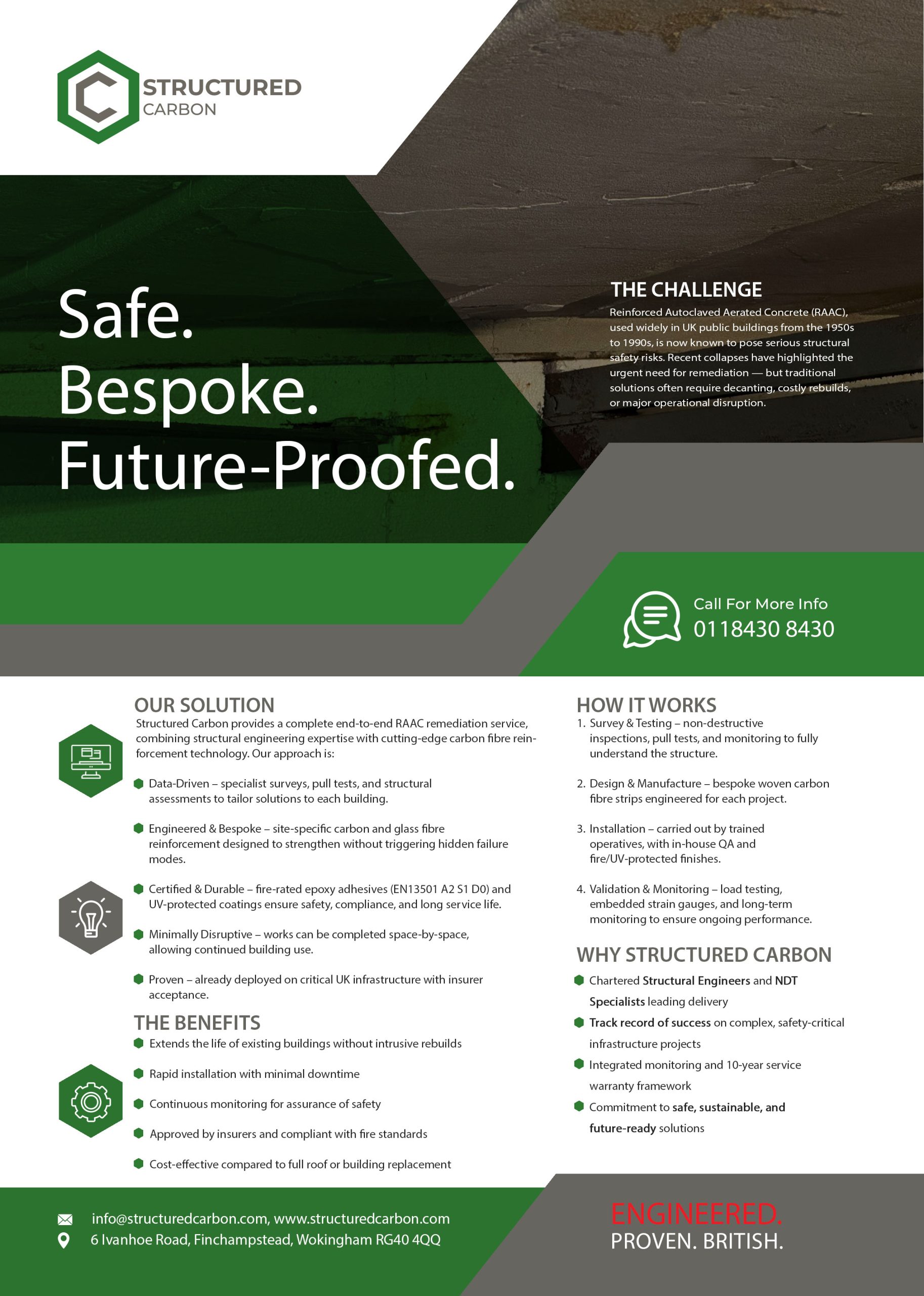
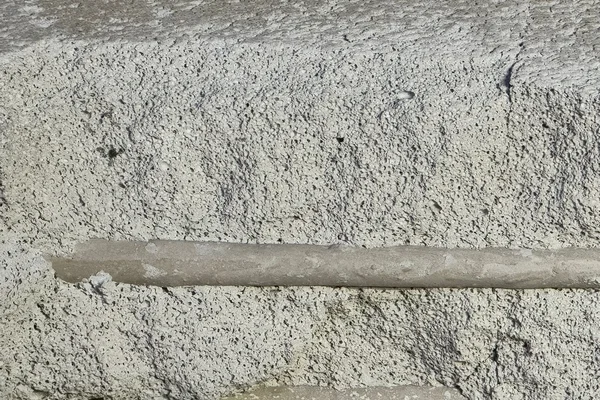
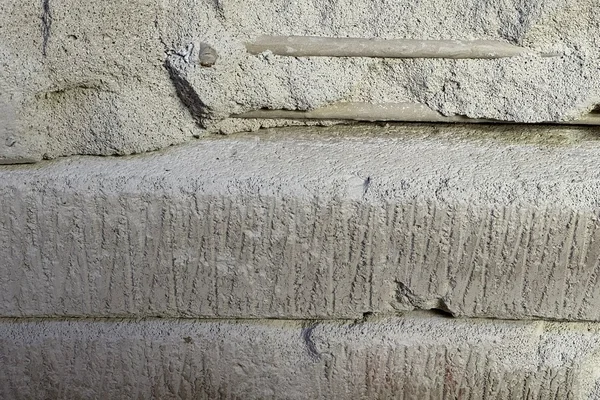
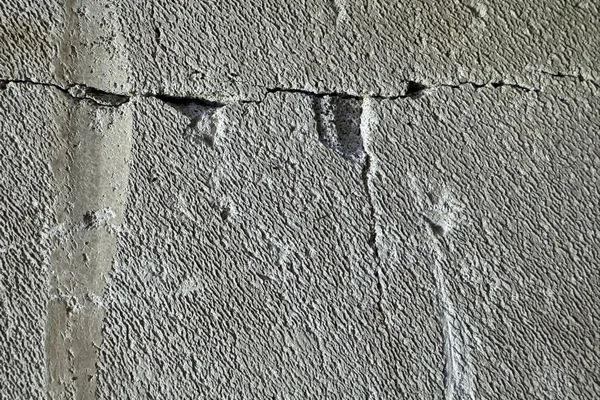
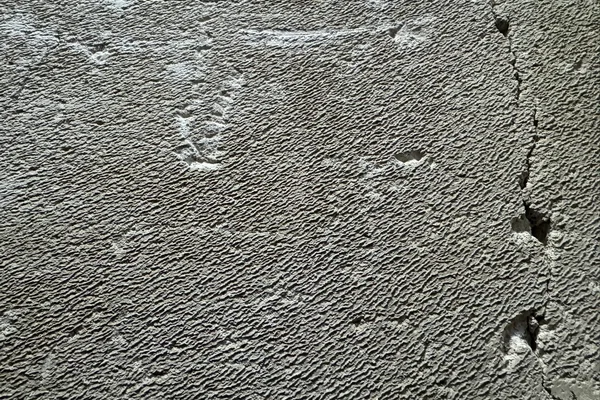
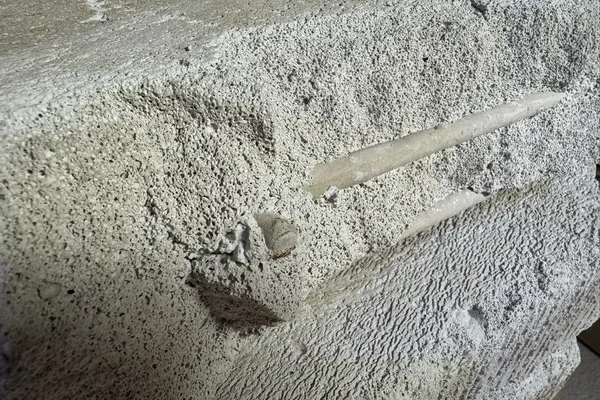
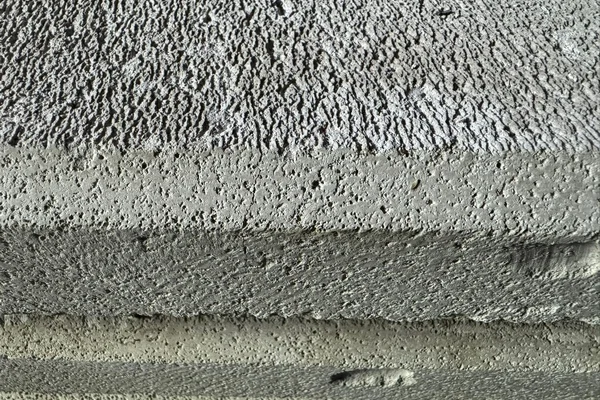
Image from a post on the Structured Carbon website
Mitigation Strategies for RAAC in Universities

Combining Temporary Mitigation and Permanent CFRP Strengthening

Combining temporary mitigation and permanent CFRP strengthening gives universities a comprehensive strategy to manage RAAC risks effectively. Temporary actions such as propping, exclusion zones and load reduction maintain safety while surveys and designs are completed. However, these short-term measures are costly and operationally restrictive. By following up with CFRP reinforcement, universities can transition from reactive management to permanent remediation. Engineers use survey data to identify where props can be replaced with CFRP laminates that provide equivalent or superior structural capacity. Once installed, the reinforcement eliminates the need for intrusive supports, restoring full building use. This staged approach reduces downtime and ensures continuity of teaching, research and accommodation services. CFRP systems are engineered, documented and quality assured, giving insurers confidence that safety has been fully addressed. Combining mitigation with CFRP strengthening also optimises budgets by allowing critical buildings to reopen quickly while longer-term replacement planning continues. The result is a balanced, evidence-based method that delivers immediate protection, operational flexibility and long-lasting resilience. For universities seeking to manage complex estates responsibly, this dual-phase model sets a new standard for RAAC safety management.

How Structured Carbon Uses CFRP to Transform University Building Safety

Structured Carbon uses advanced CFRP engineering to transform RAAC building safety in universities, turning an ageing material into a stable, predictable system. Traditional approaches to RAAC repair can be disruptive, costly and often only partially effective. By contrast, Structured Carbon’s carbon fibre reinforcement systems restore strength quickly and efficiently, creating independent structural integrity. These CFRP laminates are bonded directly to the RAAC surface, increasing tensile capacity and preventing brittle failure. Because the system adds negligible weight, it avoids overloading the existing structure and can be installed while the building remains in use. Structured Carbon’s engineering process begins with surveys and structural modelling, followed by the design of a reinforcement layout optimised for the specific conditions of the building. The company’s solutions are verified through testing and supported by complete quality assurance documentation. For universities, this approach means safe, insurable buildings without the delays and environmental impact of replacement. By combining scientific precision with practical delivery, Structured Carbon provides a method of RAAC remediation that supports both safety and sustainability. The result is stronger, safer and more resilient university infrastructure designed to perform for decades.

Share:

Got RAAC? Let us know

Thank you, we have your enquiry

We reply within one working day. If it is urgent, call +44 118 430 8430.

Your details go straight to our team and are not shared with anyone else.

Frequently Asked Questions:

What mitigation strategies are most effective for managing RAAC in universities?
Effective mitigation strategies for RAAC in universities require both short-term control and long-term reinforcement. Initial steps often include propping, load reduction and drainage improvements to manage immediate risk. However, these temporary measures do not resolve the underlying structural weakness. CFRP reinforcement provides the long-term solution by creating permanent, independent tensile strength within the RAAC panels. Once installed, the carbon fibre system eliminates the need for intrusive supports and allows normal use of affected spaces. Universities benefit from a staged approach where mitigation ensures safety while CFRP delivers lasting assurance. The material’s lightweight, corrosion-resistant nature ensures reliable performance over decades with little maintenance. This dual strategy-mitigation followed by CFRP reinforcement-meets both immediate safety needs and long-term regulatory requirements. It allows universities to maintain teaching and research operations safely, avoid costly closures and demonstrate to insurers that RAAC risks are being managed through verified, engineering-led interventions.

CFRP should be included in every RAAC mitigation plan because it turns temporary safety control into permanent structural assurance. While propping and exclusion zones manage risk in the short term, CFRP reinforcement eliminates the need for ongoing restrictions by restoring independent strength. The system is lightweight and adaptable, allowing it to be applied quickly once surveys confirm RAAC deterioration. It also complements temporary measures, allowing props to be safely removed after installation. Including CFRP in mitigation ensures universities maintain compliance while progressing toward full, long-term remediation without further disruption.
The key engineering principle behind using CFRP in a RAAC mitigation plan is that the reinforcement adds independent tensile capacity to an otherwise weak material. By bonding carbon fibre laminates or sheets to the RAAC surface, engineers create a composite system in which CFRP carries tensile forces while the concrete retains compressive strength. This balance prevents cracking and brittle failure. The lightweight, high-strength characteristics of CFRP also ensure that the reinforcement improves performance without adding load. This principle allows CFRP to act as a permanent structural safeguard, converting temporary mitigation into a long-term engineered solution.
CFRP is considered a sustainable alternative to traditional strengthening methods because it uses minimal material, requires no demolition and extends the life of existing structures. The carbon fibre system reduces embodied carbon by avoiding heavy concrete or steel additions and generates little waste during installation. Its long lifespan means fewer replacements and lower environmental impact over time. By reinforcing rather than replacing, universities preserve existing assets and reduce landfill. This sustainability advantage aligns CFRP with national decarbonisation goals and the higher education sector’s sustainability commitments, allowing institutions to combine safety upgrades with responsible environmental practice.
CFRP use in structural strengthening is governed by UK and European standards, including Eurocode design principles, TR55 guidance from The Concrete Society and manufacturer-specific approvals. These standards define calculation methods, material performance requirements and installation procedures to ensure safety and reliability. Structured Carbon’s engineering practice aligns with these frameworks, ensuring that every reinforcement design is auditable and compliant. Adherence to recognised standards also provides confidence to insurers and regulators that CFRP systems meet industry benchmarks for durability and performance. Compliance with these codes guarantees that installations deliver verified, long-term structural assurance.
Structured Carbon CFRP system for RAAC structural strengthening - engineered in the UK

Questions? Ask us here:

Thank you, we have your enquiry

We reply within one working day. If it is urgent, call +44 118 430 8430.

Your details go straight to our team and are not shared with anyone else.

Contact Details

RAAC guides

Chat on WhatsApp