RAAC in Student Accommodation Buildings

RAAC in student accommodation is particularly sensitive because it involves residential occupation 24 hours a day, 7 days a week. Intrusive surveys of student accommodation require careful planning to avoid displacement. CFRP strengthening work must be completed during vacation periods or in phases, with temporary propping in place during installation. Several universities have had to permanently decant students while permanent repair is carried out.

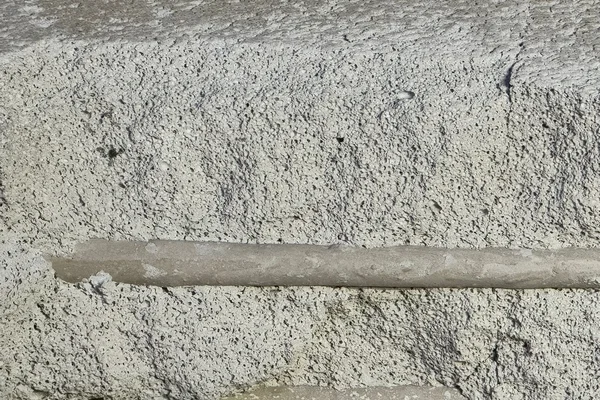
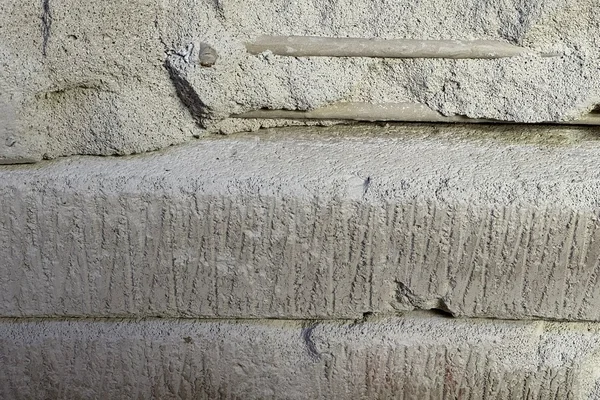
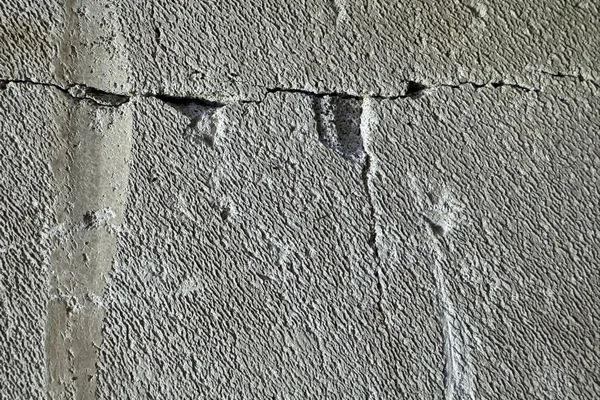
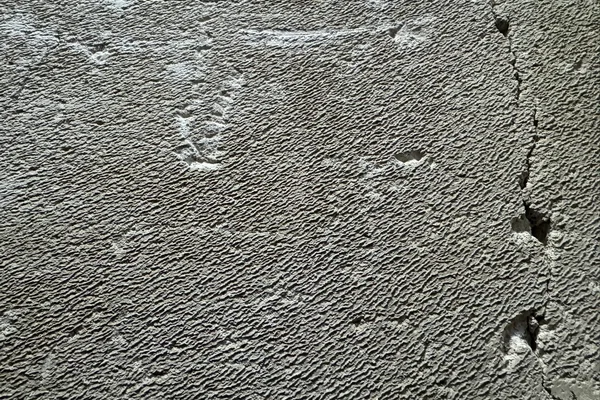
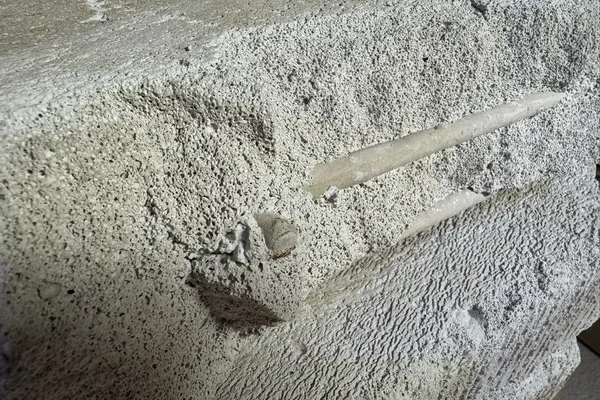
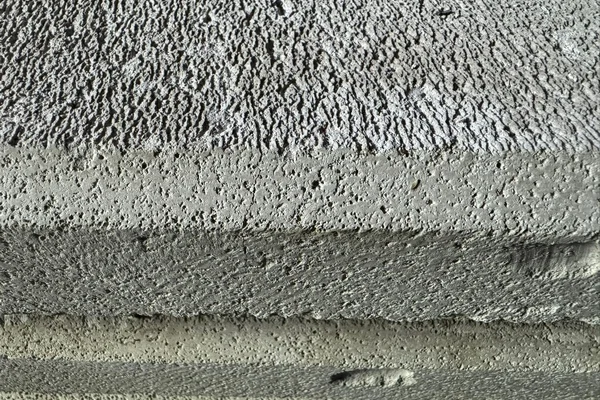
RAAC has been identified in student accommodation buildings across several UK universities, particularly in post-war structures built between the 1960s and 1980s. The material was widely used in flat roofs and sometimes in floor slabs due to its low weight and insulation value. Decades later, moisture ingress and corrosion have reduced its strength, creating safety concerns for continuously occupied residences. Universities have launched extensive survey programmes combining intrusive and non-destructive testing to locate and assess RAAC panels. Where deterioration is confirmed, temporary measures such as propping, load reduction or decanting residents are implemented immediately. Long-term solutions range from carbon fibre strengthening to full roof replacement using compliant modern materials. Projects are often phased during summer periods to minimise disruption to students. Effective planning, communication and engineering oversight allow universities to manage RAAC accommodation risks responsibly while maintaining safe and usable living spaces.

Image from a post on the Structured Carbon website
RAAC in Student Accommodation Buildings

Carbon Fibre Reinforcement to Secure RAAC in University Residences

Carbon fibre reinforcement is an essential safety solution for university accommodation buildings containing RAAC, offering both durability and speed of installation. These structures, many built in the 1960s and 1970s, were often constructed using RAAC roof or floor planks that are now at the end of their service life. Moisture penetration through roofing membranes has caused corrosion of the embedded steel reinforcement, leading to cracking and delamination. Because accommodation buildings are occupied year-round, traditional repair or replacement is impractical. CFRP strengthening systems allow engineers to stabilise roofs and floor decks while residents remain in place. The lightweight, high-strength carbon fibre panels bond to the RAAC surface to restore tensile capacity without introducing additional load. Installation is fast, quiet and free of heavy machinery, ideal for residential environments. Combined with waterproofing and environmental control measures, CFRP reinforcement extends the usable life of student housing safely and economically. Universities benefit from reduced disruption, improved compliance and restored insurability. The system’s long-term performance also supports estate sustainability targets by avoiding demolition waste and minimising carbon emissions. For student accommodation, CFRP represents a modern, reliable and non-intrusive approach to keeping residents safe while ensuring long-term structural integrity.

Why Structured Carbon Is the Trusted Partner for RAAC Risk Management

Structured Carbon is recognised as the trusted partner for universities seeking a reliable and accountable approach to RAAC risk management. The company’s reputation has been built on transparent engineering practice, open communication and consistent technical quality. Each engagement begins with a full understanding of the client’s operational needs, ensuring that safety improvements are delivered with minimal disruption to teaching and research. Structured Carbon’s engineers carry out detailed investigations and develop CFRP strengthening schemes that restore or exceed original load capacity. These are documented through clear reports, drawings and design certificates, enabling universities to demonstrate compliance and satisfy insurers. The company’s collaborative process means estates and safety teams are involved throughout design and installation, fostering clarity and confidence. Unlike short-term patching or generic reinforcement, Structured Carbon’s systems are permanent and insurable, designed from first principles to last for decades. The firm’s structured, evidence-based methodology ensures every decision is traceable and technically justified. Universities that partner with Structured Carbon gain more than a contractor-they gain an engineering partner dedicated to measurable safety outcomes, long-term asset protection and integrity in every aspect of delivery.

Share:

Got RAAC? Let us know

Thank you, we have your enquiry

We reply within one working day. If it is urgent, call +44 118 430 8430.

Your details go straight to our team and are not shared with anyone else.

Frequently Asked Questions:

How does RAAC affect the safety and maintenance of student accommodation buildings?
RAAC in student accommodation buildings presents unique challenges because these facilities are continuously occupied. Safety improvements must be achieved without causing large-scale disruption or relocation. CFRP reinforcement meets these demands by providing lightweight, low-noise and non-intrusive strengthening solutions that can be applied while buildings remain in use. The system is designed to bond directly to the RAAC surface, restoring strength and stiffness instantly. Engineers can also integrate waterproofing or moisture-control measures to slow further deterioration. The result is a long-term, insurable fix that safeguards occupants while maintaining building functionality. Compared with full roof replacement, CFRP is faster, cleaner and significantly less expensive. It also aligns with sustainability goals by reducing waste and extending the life of existing structures. For universities, CFRP reinforcement ensures that student accommodation remains structurally safe, compliant and operational while providing value for money and peace of mind for residents and management alike.

CFRP reinforcement ensures safety in student accommodation by allowing roofs and floors to be strengthened without evacuating residents. The material is light, quiet and installed using non-intrusive methods, making it ideal for occupied environments. Once bonded to the RAAC surface, CFRP restores tensile strength and prevents cracks or panel deflection. It also improves the structure’s resistance to moisture ingress, which is a common cause of RAAC degradation. By using CFRP, universities can achieve compliance while maintaining full use of their buildings. The approach is faster, cleaner and more sustainable than replacement, ensuring safe accommodation with minimal disruption.
CFRP contributes to improved fire safety and compliance in student accommodation by stabilising RAAC panels and preventing structural collapse in the event of elevated temperatures. While RAAC itself offers limited fire resistance, CFRP systems designed for internal use are applied with protective coatings or intumescent layers that enhance performance under heat exposure. Strengthening the panels also prevents detachment or spalling during a fire, maintaining compartmentation integrity. This integration of structural reinforcement and fire protection supports overall compliance with building safety standards. For universities, CFRP ensures that accommodation remains both structurally secure and aligned with modern fire safety requirements.
CFRP systems protect student accommodation from further RAAC damage by sealing and strengthening affected panels. The bonded reinforcement prevents moisture ingress-the main cause of corrosion in RAAC reinforcement-and stabilises existing cracks. The system also distributes loads more evenly, reducing stress on weakened areas. Because CFRP is non-corrosive, it provides a durable long-term defence against further deterioration. In occupied accommodation, its quiet, clean installation minimises disturbance for residents. The outcome is safer, more resilient buildings with extended service life, lower maintenance requirements and reduced risk of emergency closures or costly temporary relocations.
To ensure CFRP installations in accommodation meet building safety standards, universities must follow design verification, material certification and independent inspection processes. Structured Carbon designs reinforcement systems to comply with structural codes and fire safety requirements, often including protective coatings for internal installations. Quality control during installation ensures correct surface preparation and full adhesive bonding. Post-installation inspections and documentation confirm compliance with building regulations and insurance conditions. By adhering to these procedures, universities can demonstrate that CFRP reinforcement in accommodation blocks meets all current safety and performance standards while providing durable, low-maintenance protection.
Structured Carbon CFRP system for RAAC structural strengthening - engineered in the UK

Questions? Ask us here:

Thank you, we have your enquiry

We reply within one working day. If it is urgent, call +44 118 430 8430.

Your details go straight to our team and are not shared with anyone else.

Contact Details

RAAC guides

Chat on WhatsApp