Survey Programmes for RAAC in Higher Education

RAAC survey programmes in higher education require intrusive inspection — removing soffit finishes and taking concrete core samples — to establish panel condition, carbonation depth, and reinforcement corrosion level. Non-intrusive surveys such as GPR can locate the steel mesh but cannot determine corrosion state. A Chartered Structural Engineer must sign off the survey methodology and interpret the results.

Survey programmes for RAAC in higher education have become a critical part of national safety efforts. Universities often manage estates with thousands of buildings, many built during the period when RAAC was widely used. Identifying which structures are affected requires systematic and evidence-based surveying. Programmes typically begin with a review of construction records, followed by site inspections and intrusive sampling. Non-destructive techniques such as radar scanning, thermal imaging and borescope inspections are used to locate and confirm RAAC panels. Once identified, the condition of the panels and their reinforcement is assessed, with findings categorised into risk levels. High-risk areas are immediately propped or restricted, while medium and low-risk areas are scheduled for remediation or monitoring. The results feed into digital estate records to guide investment planning and safety prioritisation. Survey programmes also support compliance with Health and Safety Executive guidance and provide essential documentation for insurers. The data collected enables universities to act strategically, preventing emergency closures and ensuring that long-term estate planning incorporates RAAC remediation within broader capital investment programmes.

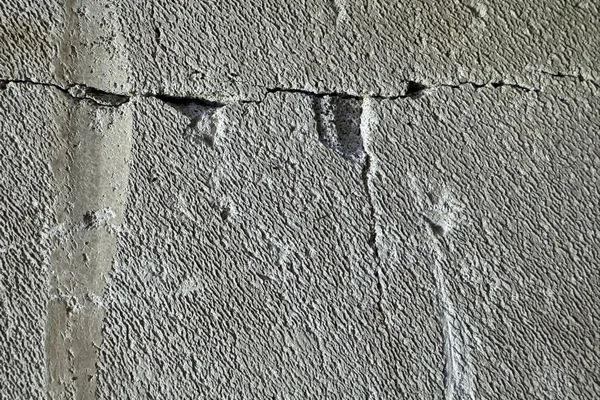
Image from a post on the Structured Carbon website
Survey Programmes for RAAC in Higher Education

Comprehensive RAAC Survey and CFRP Strengthening Strategies for Universities

Comprehensive survey programmes remain the foundation of responsible RAAC management in higher education, and integrating CFRP reinforcement directly into these programmes ensures lasting structural assurance. During surveys, engineers identify where RAAC panels are located, assess material condition and determine the extent of reinforcement corrosion. This data informs risk categorisation and prioritisation of interventions. Once the condition is known, CFRP is specified as part of the remedial design to restore strength while preserving the existing structure. This approach eliminates the need for temporary patching or repeated inspections. CFRP systems are lightweight and can be installed with minimal access requirements, meaning mitigation can begin immediately after surveys conclude. The result is a seamless workflow that links investigation and strengthening into one efficient process. Universities benefit from shorter project timescales, lower overall costs and reduced operational disruption. Every CFRP installation is recorded with as-built documentation and load calculations, ensuring transparency for regulators and insurers. When survey data and CFRP design are combined, universities achieve not only compliance but a verifiable pathway to long-term estate resilience. This integrated model represents best practice in RAAC risk management: evidence-led, engineering-focused and designed for longevity.

The Structured Carbon Approach to Managing RAAC Risks in Higher Education

Structured Carbon’s method for managing RAAC risks in higher education combines structural engineering science, practical delivery experience and transparent documentation. The company begins with investigation and analysis, collecting precise data from intrusive and non-destructive inspections to determine the strength and stability of existing RAAC panels. Using this information, Structured Carbon’s engineers develop bespoke CFRP systems that restore tensile capacity and prevent brittle collapse. Each design is fully calculated and verified using recognised engineering principles, ensuring the reinforcement works independently of weakened RAAC. Structured Carbon operates on the principle that safety, compliance and insurability must all be measurable. Every project produces a complete evidence trail-from condition assessment through installation and verification-providing universities, insurers and regulators with full transparency. Installation is carried out under strict control, with safety measures in place for occupied buildings. CFRP’s light weight, corrosion resistance and long service life make it ideal for academic facilities where access and maintenance are limited. This integrated, design-led process transforms the management of RAAC from reactive maintenance into proactive risk control. Structured Carbon’s approach ensures that universities can maintain operational continuity while delivering durable, compliant and accountable structural strengthening outcomes.

Share:

Got RAAC? Let us know

Thank you, we have your enquiry

We reply within one working day. If it is urgent, call +44 118 430 8430.

Your details go straight to our team and are not shared with anyone else.

Frequently Asked Questions:

How do survey programmes help universities identify and manage RAAC safely?
Survey programmes are vital for identifying RAAC and determining where structural strengthening such as CFRP reinforcement is required. These surveys combine visual inspections with intrusive checks and non-destructive testing methods like radar scanning to locate and assess RAAC panels. Once the material’s condition is understood, engineers can design CFRP systems to restore or exceed the original strength of the structure. Integrating surveys with CFRP design provides a seamless transition from investigation to remediation, reducing delays and duplication of effort. The carbon fibre systems used are lightweight, corrosion-resistant and adaptable to a wide range of roof and floor geometries. Universities gain from this data-driven approach because it produces a full record of inspection, risk categorisation and strengthening design that satisfies both regulators and insurers. In practice, coupling survey results with engineered CFRP reinforcement ensures that identified risks are resolved quickly, permanently and with minimal disruption to teaching and research activities.

CFRP integration enhances RAAC survey programmes by providing a direct route from diagnosis to structural repair. After surveys identify weakened RAAC panels, engineers can design CFRP systems specifically for the site conditions, creating a seamless transition from investigation to remediation. This eliminates delays, avoids redundant inspections and reduces administrative complexity. Using CFRP also allows survey data to be verified through real structural performance testing. The material’s flexibility and strength mean it can be applied quickly once surveys are complete, helping universities move from risk identification to risk resolution faster. As a result, survey programmes deliver not just information, but measurable safety improvements backed by engineering evidence.
RAAC survey data should be used to design building-specific CFRP systems because every structure has different conditions and load demands. Factors such as panel thickness, span, reinforcement location and environmental exposure influence how the strengthening system should be configured. Using accurate survey information allows engineers to create CFRP layouts that target areas of weakness precisely, ensuring optimal performance and cost efficiency. Generic designs can result in under- or over-strengthening, which may compromise safety or add unnecessary expense. By basing CFRP design on survey data, universities achieve accurate, efficient and verifiable reinforcement that matches each building’s structural requirements.
Early detection combined with CFRP strengthening is critical for long-term RAAC management because it prevents small structural defects from developing into major safety risks. Identifying deterioration early allows engineers to design targeted reinforcement while the panels are still stable. CFRP systems can then be applied proactively, avoiding emergency closures and costly replacements. Acting early also reduces stress on adjacent structural elements and limits further water ingress or corrosion. For universities, integrating early detection and CFRP reinforcement into estate planning provides control, predictability and compliance assurance, ensuring safety without compromising operational continuity or budgets.
Designing and installing CFRP systems safely requires engineers with expertise in structural analysis, composite materials and bonding technology. Qualified structural engineers assess load paths, design reinforcement layouts and prepare detailed calculations. Installation teams are trained in surface preparation, resin mixing and controlled curing to achieve full bond strength. Structured Carbon provides oversight and quality assurance throughout the process, ensuring adherence to design intent and safety standards. Regular training and certification ensure all personnel are competent to handle the materials and techniques involved. This professional framework guarantees that CFRP systems are designed and installed to the highest structural and safety standards.
Structured Carbon CFRP system for RAAC structural strengthening - engineered in the UK

Questions? Ask us here:

Thank you, we have your enquiry

We reply within one working day. If it is urgent, call +44 118 430 8430.

Your details go straight to our team and are not shared with anyone else.

Contact Details

RAAC guides

Chat on WhatsApp