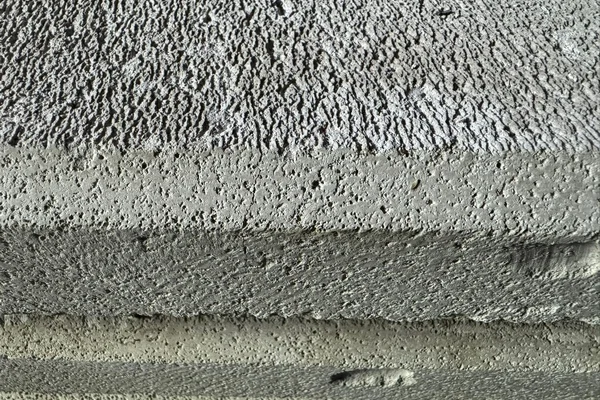
Carbon Fibre Reinforcement for RAAC Structural Repair

Carbon fibre reinforcement (CFRP) is the most effective method for RAAC structural repair, bonding engineered carbon fibre laminates to the soffit of deteriorating panels to restore flexural capacity. The system is lightweight, does not add significant load to the existing structure, and can be installed in occupied buildings without demolition or temporary propping.

Carbon fibre reinforcement has become one of the most effective solutions for repairing RAAC panels. Its popularity lies in its strength-to-weight ratio: carbon fibre is extremely strong but very light, making it ideal for working with fragile RAAC planks that cannot tolerate heavy loads. When applied correctly, carbon fibre reinforcement bonds securely to the surface of RAAC panels, providing added tensile strength and preventing sudden brittle failure. The process typically involves surface preparation to remove debris and contaminants, followed by the application of carbon fibre sheets or strips embedded in specialist resins. These materials are carefully positioned to carry loads across the panel, reducing reliance on the original, shallow reinforcement. Because RAAC is porous, proper preparation and primer layers are critical to ensure long-term adhesion. Unlike steel strengthening plates, which can add significant weight, carbon fibre reinforcement is almost weightless in comparison. This ensures the system enhances safety without introducing new risks. It also allows work to be carried out with minimal disruption to the building, as installation is relatively quick. The thin profile of carbon fibre also makes it unobtrusive, preserving ceiling heights and reducing the need for alterations. While highly effective, carbon fibre reinforcement must be designed by experienced engineers. Generic application is not enough-placement, orientation, and bonding methods all need to be tailored to the conditions of each panel. When applied as part of a wider remediation strategy, carbon fibre reinforcement offers owners a durable, insurable solution. It represents the shift from temporary patching to engineered safety, providing confidence that RAAC panels can remain in service under controlled conditions.
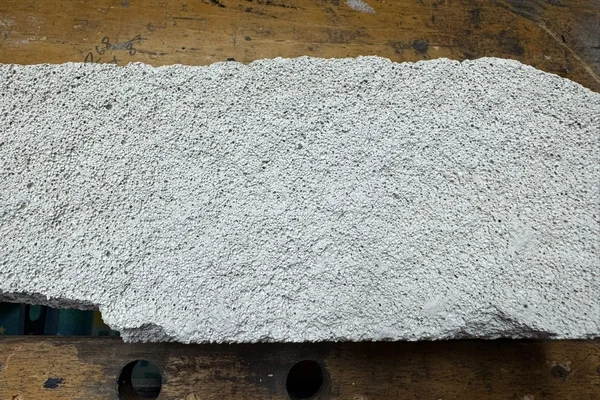
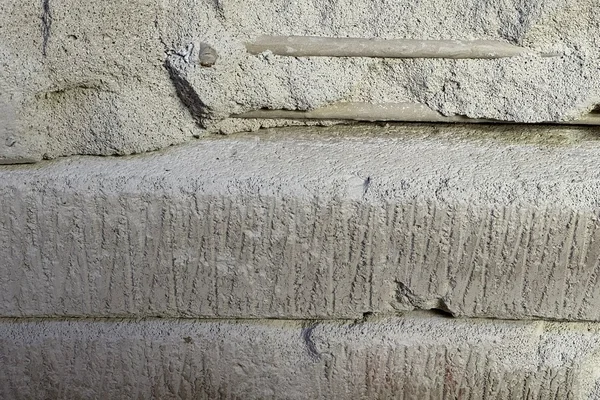
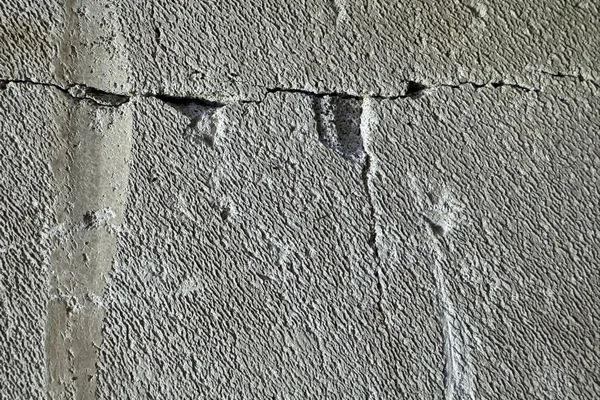
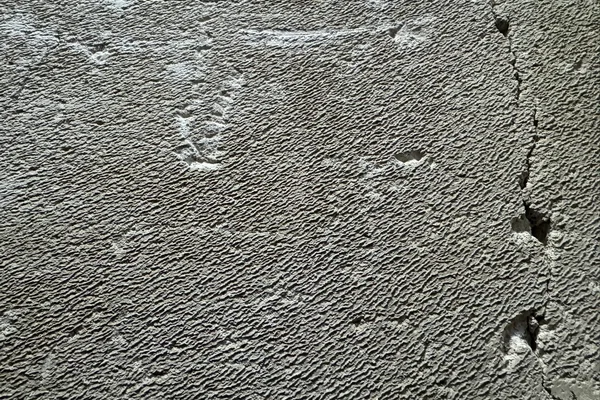
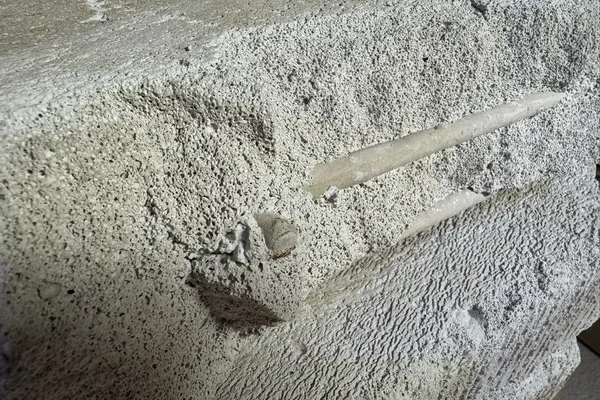
Image from a post on the Structured Carbon website
Carbon Fibre Reinforcement for RAAC Structural Repair

Carbon Fibre Reinforcement Techniques for RAAC Panel Safety

Carbon fibre reinforcement has become a cornerstone of RAAC remediation because of its exceptional strength-to-weight ratio. Where RAAC panels are brittle and unable to carry added load, carbon fibre offers reinforcement that is lightweight, adaptable and durable. Engineers apply carbon fibre sheets or strips, bonded with specialist resins, to the underside of panels. These laminates provide tensile capacity that compensates for weakened steel reinforcement and distributes loads evenly. Preparation is crucial: surfaces must be cleaned and primed to ensure adhesion. Once installed, carbon fibre reinforcement creates a composite action between the panel and the fibre, producing a structure that is stronger and more resilient than before. The advantages extend beyond strength. Carbon fibre is thin and unobtrusive, so it does not reduce headroom or interfere with building services. It is also resistant to corrosion, making it well suited to damp roof environments where steel reinforcement deteriorates. Installation is relatively quick, reducing disruption in schools and hospitals. Costs, while higher than some alternatives, are offset by long-term durability and reduced maintenance. Engineers design each installation carefully, specifying orientation, overlap and anchorage to ensure performance. Carbon fibre is not a one-size-fits-all product; it must be tailored to each panel’s condition and the building’s load requirements. When used as part of a design-led repair strategy, carbon fibre reinforcement provides a long-term, insurable solution. It demonstrates how advanced materials can be used responsibly to manage legacy risks, keeping essential buildings operational while ensuring occupant safety and compliance with modern standards.

Working With Structured Carbon on Carbon Fibre RAAC Reinforcement

When carbon fibre reinforcement is the right solution for RAAC, Structured Carbon is the partner who ensures it is applied with precision and accountability. Carbon fibre offers unmatched strength-to-weight performance, but its effectiveness depends on expert design, surface preparation and installation. Structured Carbon has developed proven systems that use carbon fibre sheets and laminates bonded with advanced resins to transform fragile RAAC planks into safe, load-bearing elements. Our design team models load paths, specifies fibre orientation and ensures anchorage is secure, avoiding the mistakes of generic installations. Because carbon fibre is thin and unobtrusive, it can be installed with minimal disruption in schools, hospitals and offices, making it the preferred option in live buildings. Structured Carbon ensures works are phased, safe and compliant with strict regulations, providing reassurance to owners and insurers. By working with us, building managers gain more than a product-they gain a comprehensive service that includes surveys, design, installation and certification. Our carbon fibre reinforcement systems are tailored to each site, durable under real-world conditions and insurable. For owners under pressure to manage RAAC responsibly, Structured Carbon delivers certainty: a lightweight, durable and engineered solution that turns a risk into a managed asset.

Share:

Got RAAC? Let us know

Thank you, we have your enquiry

We reply within one working day. If it is urgent, call +44 118 430 8430.
Your details go straight to our team and are not shared with anyone else.

Frequently Asked Questions:

Why is carbon fibre used to repair RAAC panels?
Carbon fibre is used to repair RAAC panels because it provides exceptional tensile strength without adding significant weight-an essential property for working with RAAC, which is brittle and prone to sudden failure when overloaded. Panels reinforced with carbon fibre strips or laminates bonded by epoxy resins gain a new, independent load path that restores structural capacity and prevents catastrophic collapse. Unlike steel, carbon fibre will not corrode in damp roof environments, making it highly durable in the very conditions that accelerate RAAC deterioration. The material is also thin and unobtrusive, so it does not reduce headroom or interfere with services inside the building. Structured Carbon’s engineers design fibre orientation, anchorage and overlap patterns carefully, ensuring each installation is tailored to site conditions and backed by calculations. Installation is quick and clean, making carbon fibre ideal for live environments such as schools and hospitals where disruption must be minimised. For owners, it delivers a long-term, insurable solution that satisfies regulators and insurers while keeping buildings safe and functional.
Carbon fibre reinforcement improves safety by providing a completely new load path across weakened RAAC panels. Once bonded to the surface with high-strength epoxy resins, the carbon fibre strips or laminates take on the tensile forces that the corroded steel reinforcement can no longer carry. This redistribution of loads reduces stress concentrations and prevents brittle fractures, which are common in RAAC. Because the system is lightweight, it avoids overloading the panel, unlike steel plate methods that can accelerate deterioration. Carbon fibre also resists corrosion, ensuring that the safety gains are long-term, not temporary. Structured Carbon designs each system specifically for the building, modelling fibre orientation, anchorage and overlap to maximise performance. For schools, hospitals and offices, this means panels that were once unsafe are stabilised and predictable under load. The result is confidence for owners, reassurance for insurers and above all, safety for occupants who rely on these buildings every day.
Carbon fibre is better than steel strengthening for RAAC because it avoids the major risks associated with heavy, corrosion-prone metal. RAAC is fragile and lightweight, so attaching steel plates adds dead load that can push planks beyond their safe capacity. Over time, moisture in roofs accelerates corrosion of steel, reducing effectiveness and creating ongoing maintenance costs. By contrast, carbon fibre reinforcement is extremely light, so it strengthens without overloading. It is also corrosion resistant, maintaining its properties in damp environments where RAAC typically exists. Installation of carbon fibre is faster, cleaner and far less disruptive than steelwork, making it ideal for live schools and hospitals. Structured Carbon uses design modelling to specify fibre orientation, overlap and anchorage, ensuring the system performs reliably and is certifiable by insurers. Owners gain a durable, low-maintenance and insurable solution. In short, carbon fibre is modern, efficient and tailored to RAAC’s limitations, while steel introduces problems rather than solving them.
Yes, carbon fibre reinforcement can be installed in occupied buildings, and this is one of the reasons it is the preferred solution for RAAC. The process is quiet, clean and does not require heavy machinery, making it suitable for live schools, hospitals and offices. Structured Carbon phases works carefully, scheduling installations during evenings, weekends or school holidays where necessary to minimise disruption. Panels are prepared with minimal dust, resins are applied with controlled equipment, and fibre laminates are bonded quickly. Because carbon fibre is lightweight, there is no need for intrusive propping or extensive alterations to the structure, reducing both disruption and cost. For owners, this means operations can continue safely while repairs are carried out. For insurers, it demonstrates that interventions are practical, well controlled and low risk. By combining technical performance with practical installation, Structured Carbon ensures RAAC remediation is achievable without shutting down critical services.
Carbon fibre RAAC repairs typically extend service life by 20-30 years when designed and installed correctly, making them one of the most durable options available for managing RAAC risks. Structured Carbon ensures longevity by combining high-strength fibre with advanced resins that resist moisture, chemical attack and stress cycles. Our engineers design systems with redundancy so reinforcement remains effective even if RAAC continues to deteriorate. Environmental improvements such as drainage upgrades and load reduction are integrated into the package, further extending durability. Insurers value this approach because it demonstrates proactive risk management, backed by documentation and inspection schedules. For owners, this means long-term confidence that buildings will remain safe, functional and insurable. While RAAC will eventually need to be replaced, carbon fibre repairs provide decades of safe use, giving organisations valuable time to plan and budget for renewal without exposing people to unnecessary risk.
Structured Carbon CFRP system for RAAC structural strengthening - engineered in the UK

Questions? Ask us here:

Thank you, we have your enquiry

We reply within one working day. If it is urgent, call +44 118 430 8430.
Your details go straight to our team and are not shared with anyone else.

Contact Details

RAAC guides

Chat on WhatsApp