Part of our guide to RAAC structural repairs, from the team behind the UK’s first CFRP system designed specifically for RAAC.
Engineers design structural repairs for RAAC by first surveying panel condition, testing deflection and carbonation depth, then specifying CFRP strengthening to restore flexural capacity. Each repair scheme is bespoke: fibre orientation, bonding area, and end anchorage are calculated to the actual load case, using BS EN ISO standards and structural engineering sign-off by a Chartered Structural Engineer.
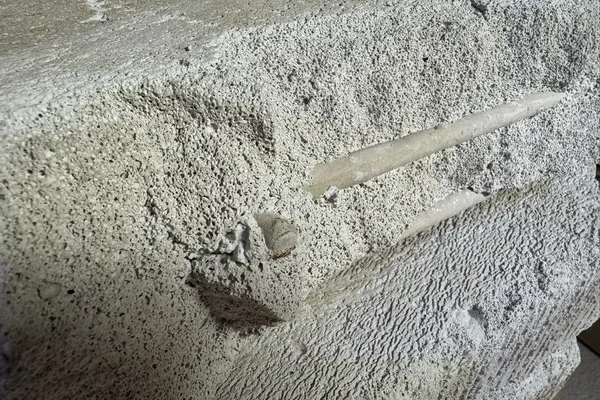
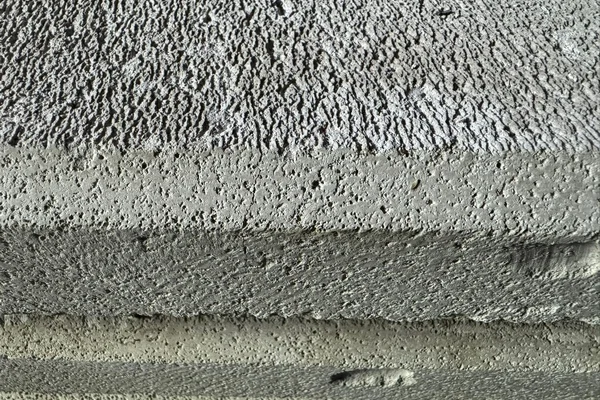
Designing structural repairs for RAAC panels is a complex process requiring detailed investigation, analysis, and tailored engineering solutions. Engineers cannot treat RAAC like ordinary concrete-it behaves differently, with unique weaknesses. The first step in design is a thorough survey, including intrusive checks to assess reinforcement condition, moisture penetration, and panel integrity. This data informs the engineering approach. Designers must consider several factors: the load the panel carries, the extent of deterioration, the building’s function, and the owner’s requirements for durability and cost. Repairs must not overload panels with excessive weight. This is why lightweight reinforcement methods, such as carbon fibre, are often preferred. Where greater strength is needed, steel plates or composite systems may be used, but always in a carefully calculated way. Another key principle in RAAC repair design is redundancy. Engineers aim to create systems that continue to provide safety even if part of the RAAC deteriorates further. This means designing reinforcement that can carry loads independently of the original material if necessary. The design process also factors in durability. Moisture barriers, corrosion protection, and long-term maintenance are integrated into repair plans. Engineers design not just for today’s safety, but for future performance under real-world conditions. Ultimately, the role of engineering design in RAAC repair is to turn uncertainty into certainty. Owners face a material that is inherently unpredictable; engineers provide a systematic, insurable response. By combining survey data, analysis, and innovative repair methods, structural repair design ensures RAAC panels can be managed safely, giving building owners and occupants peace of mind.

Designing RAAC repairs is a complex engineering exercise that balances safety, cost and durability. It starts with detailed surveys, often including intrusive checks to expose reinforcement and test material properties. Engineers then model load paths, considering both current conditions and worst-case scenarios. The aim is to design reinforcement that not only restores capacity but can carry loads independently if the RAAC deteriorates further. Options such as carbon fibre, steel plates or resin injection are evaluated for compatibility with the panel’s condition and the building’s function. Redundancy is built in, so failure of the RAAC itself does not compromise safety. Durability is also a central consideration: protective coatings, drainage improvements and maintenance plans are integrated into the repair strategy. Design must comply with government guidance and satisfy insurer requirements. Engineers document their decisions thoroughly, producing calculations and drawings that can be audited. This process reassures owners, regulators and insurers that the repairs are credible. Cost is considered not just in terms of immediate expense but lifecycle value, ensuring repairs are sustainable. By following a design-led process, RAAC repairs move beyond guesswork or generic fixes. They become structured, predictable interventions that deliver long-term safety. For owners, this approach transforms RAAC from a hidden liability into a managed risk, providing clarity, reassurance and compliance. Engineering design is therefore the foundation of any responsible RAAC repair project, ensuring that interventions are both effective today and resilient for decades to come.
Designing RAAC repairs is a task that cannot be left to improvisation. Structured Carbon leads with a forensic, design-first approach, creating repair systems that are tailored to each building and certifiable by insurers. Our process begins with detailed surveys, exposing reinforcement and testing panel condition. We then model loads, identify risks and specify reinforcement systems that can carry loads even if the RAAC itself continues to deteriorate. Structured Carbon integrates redundancy into designs, ensuring occupant safety is not dependent on a fragile material. Our solutions balance durability, cost and buildability, selecting from carbon fibre, epoxy resins, steel plates or hybrid systems as appropriate. Compliance with government guidance and insurer requirements is embedded into every design. For building owners, working with Structured Carbon means repairs are transparent, documented and accountable. We do not deliver quick fixes-we create engineered interventions backed by evidence and experience. Our design service also considers long-term performance, incorporating protective measures and maintenance schedules. This approach provides owners with confidence that their RAAC repairs are not only effective today but resilient for decades. With Structured Carbon, RAAC repair design is transformed from uncertainty into certainty, delivering safety, compliance and trust.
This methodology applies whether strengthening occupied buildings, live operational environments, or sensitive heritage assets. Technical context: CROSS-UK guidance on RAAC structural safety.
We reply within one working day. If it is urgent, call +44 118 430 8430.
We reply within one working day. If it is urgent, call +44 118 430 8430.