RAAC Repair in Hospitals and NHS Trust Buildings

RAAC repair in NHS hospitals and healthcare buildings requires specialist planning to maintain infection control, fire compartmentation, and 24-hour operational continuity. CFRP strengthening is the preferred method for occupied clinical environments because it generates no dust, no noise from heavy plant, and requires no temporary propping that would obstruct patient access.

RAAC in hospitals presents a unique challenge because buildings must remain operational throughout repairs. Hospitals built in the 1960s-80s often used RAAC in roofs and, in some cases, walls. These panels are now time-expired, creating risks in environments where safety is critical. Structural repair methods in hospitals must be carefully planned to minimise disruption to patients and staff. Lightweight reinforcement systems, such as carbon fibre, are often preferred because they can be installed quickly and without heavy equipment. Epoxy resins can also be used to stabilise panels with minimal intrusion. In some cases, steel strengthening may be required, but corrosion protection is essential. NHS trusts must balance safety, cost, and continuity of care. Repair programmes therefore involve phased works, allowing parts of the building to remain operational while remediation progresses. Structural repair provides a pathway to manage RAAC risks in hospitals until full replacement programmes can be implemented.

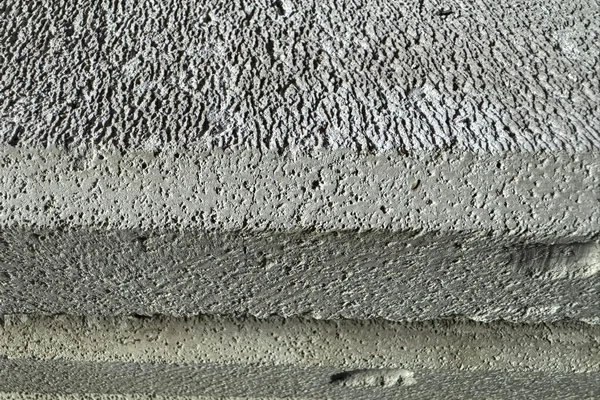
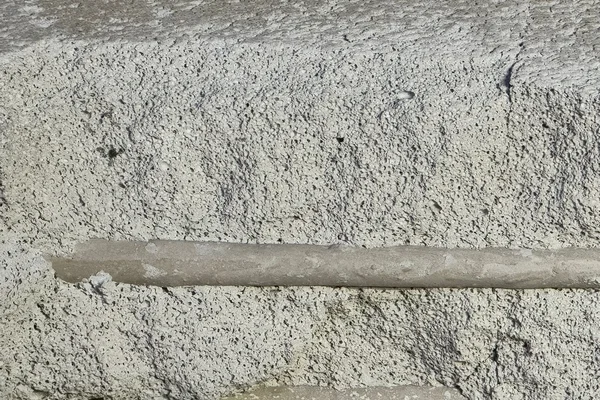
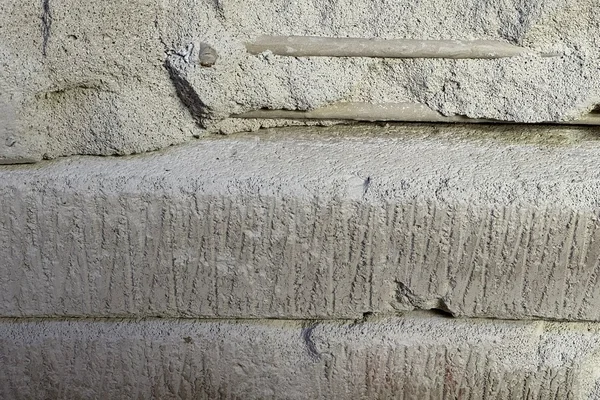
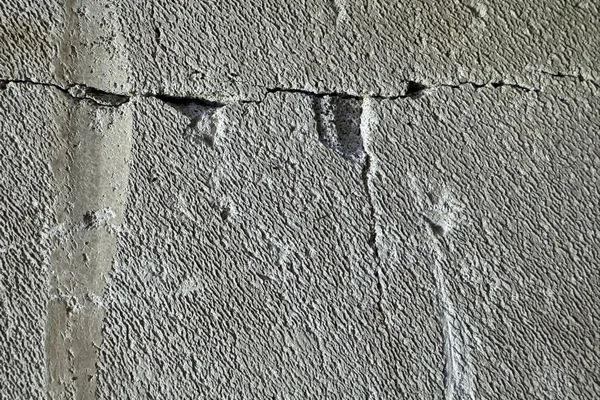
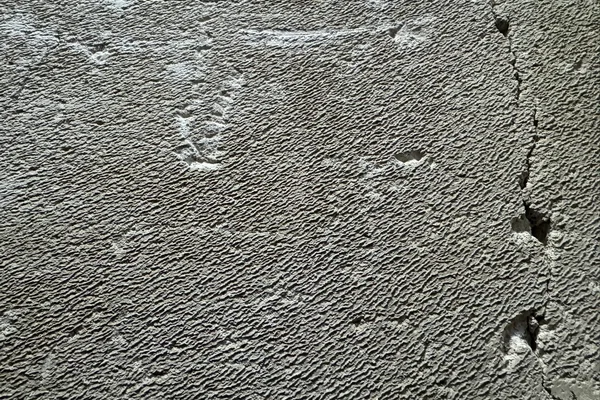
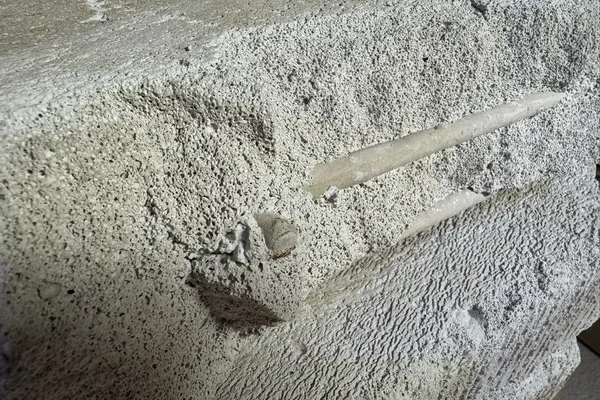
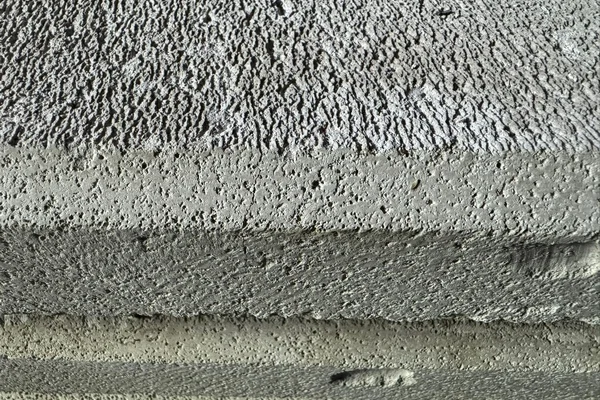
Image from a post on the Structured Carbon website
RAAC Repair in Hospitals and NHS Trust Buildings

RAAC Structural Repair in Hospitals and NHS Trusts

Hospitals and NHS trust buildings face unique challenges in managing RAAC because they must remain operational around the clock. Many were built in the same decades as schools and used RAAC panels extensively in roofs. Surveys have shown that these panels are now time-expired, raising urgent safety concerns. Structural repair in hospitals must be carried out without disrupting patient care, which requires careful planning and lightweight methods. Carbon fibre reinforcement and epoxy bonding are often favoured because they can be installed quickly with minimal noise, dust or heavy equipment. In critical care areas, temporary propping is sometimes used to provide immediate reassurance until permanent solutions can be delivered. Infection control is also a major factor, with strict procedures to prevent contamination during works. Costs are higher in healthcare environments due to these additional requirements, but safety is non-negotiable. NHS trusts must balance budget pressures with the need to protect patients and staff. Engineers therefore design phased programmes, tackling the most critical areas first while keeping wards open. These projects demonstrate that RAAC risks can be managed even in the most sensitive settings, provided the work is carefully engineered and monitored. For healthcare managers, successful RAAC repair projects provide reassurance to regulators, staff and patients that safety is being taken seriously and that essential services remain secure.

Working With Structured Carbon on Hospital and NHS RAAC Remediation

Hospitals and NHS buildings present unique challenges for RAAC repair, and Structured Carbon has developed methods to deliver safety without disrupting patient care. Our lightweight composite systems and resin anchors can be installed quickly, quietly and without the heavy equipment that would compromise infection control. We design phased programmes that prioritise critical areas, ensuring wards remain operational while repairs are carried out. Our forensic surveys and load modelling ensure each solution is tailored to the exact condition of panels, delivering engineered outcomes that insurers and regulators can trust. Structured Carbon understands the need for continuity of service in healthcare, so we coordinate closely with estates teams to plan logistics, minimise disruption and guarantee safety. We do not offer generic fixes; we deliver bespoke, insurable systems that respect the complexity of hospital operations. For NHS trusts, working with us means confidence that RAAC risks are being addressed responsibly, patients and staff are protected and services remain uninterrupted. Structured Carbon provides reassurance in the most demanding environments, proving that safety and continuity can go hand in hand.

Share:

Got RAAC? Let us know

Thank you, we have your enquiry

We reply within one working day. If it is urgent, call +44 118 430 8430.

Your details go straight to our team and are not shared with anyone else.

Frequently Asked Questions:

Why is RAAC repair especially critical in hospitals?
RAAC repair is especially critical in hospitals because patient safety and continuity of care cannot be compromised. Many NHS buildings from the 1960s-80s contain RAAC panels now far beyond their intended lifespan, creating urgent risks. Structured Carbon delivers lightweight, non-intrusive repair systems that can be installed quickly with minimal dust or noise, ensuring wards and clinics remain operational. We design phased programmes that prioritise the most critical areas, often working alongside hospital estates teams to coordinate logistics and infection control. Our solutions are engineered from first principles, documented for insurers and regulators, and tailored to the unique demands of healthcare environments. For trusts, this means confidence that RAAC risks are being addressed without disrupting essential services. In hospitals, effective RAAC repair is not optional-it is a matter of life safety and public trust.
RAAC repair is urgent in healthcare environments because patient safety and service continuity are at stake. Hospitals and NHS buildings must operate around the clock, and any structural failure could have catastrophic consequences. Many healthcare facilities built in the mid-20th century still contain RAAC panels that are now decades past their design life. Structured Carbon provides lightweight, non-intrusive repair systems that can be installed quickly with minimal noise, dust and disruption, making them ideal for live hospital environments. We coordinate closely with estates teams to plan phased works that maintain continuity of care and comply with infection control protocols. For healthcare managers, the urgency is clear: RAAC must be addressed immediately to protect vulnerable patients, reassure regulators and maintain public trust. Structured Carbon delivers the engineered solutions that make this possible.
The best solutions for NHS buildings with RAAC are lightweight, non-intrusive reinforcement systems that can be installed without disrupting patient care. Carbon fibre composites and resin anchors are ideal because they add strength without weight, can be installed quickly and resist corrosion in damp environments. Structured Carbon designs these systems with hospital operations in mind, phasing works to keep wards open and integrating infection control protocols. Temporary propping may be used in critical areas until permanent systems are in place. This approach ensures safety is restored immediately while maintaining continuity of service. For NHS trusts, the right solution is one that balances urgency, safety and practicality-exactly what Structured Carbon delivers.
Measures that protect hospitals during RAAC repairs include careful planning, infection control and phased work schedules. Structured Carbon designs reinforcement systems that are lightweight, quick to install and produce minimal noise or dust, making them suitable for sensitive environments. We coordinate with estates teams to ensure wards and clinics remain operational, often working outside peak hours or during planned downtime. Infection control protocols are strictly followed, with barriers, air filtration and cleaning integrated into the programme. Temporary propping may be used in critical areas until permanent works are complete. By designing repairs around hospital operations, Structured Carbon ensures patient care is never compromised. For NHS trusts, this approach provides confidence that RAAC risks are managed without disrupting essential services. The result is safety for patients, reassurance for regulators and continuity of service for staff.
Urgency is critical in NHS RAAC repairs because hospitals must operate continuously and cannot risk sudden structural failure. Many NHS buildings still contain RAAC planks now decades beyond their design life, creating immediate hazards for patients and staff. Structured Carbon delivers lightweight, non-intrusive reinforcement systems that can be installed rapidly with minimal dust and noise, ensuring wards remain operational. We prioritise critical areas first, using temporary propping where necessary, and coordinate closely with estates teams to plan works without disrupting care. Our solutions are engineered from first principles, documented and insurable, providing reassurance to regulators. For NHS trusts, urgency means acting before risks become incidents. Structured Carbon ensures that urgent repairs are carried out safely, quickly and in compliance with standards, protecting both lives and services.

Structured Carbon CFRP system for RAAC structural strengthening - engineered in the UK

Questions? Ask us here:

Thank you, we have your enquiry

We reply within one working day. If it is urgent, call +44 118 430 8430.

Your details go straight to our team and are not shared with anyone else.

Contact Details

RAAC guides

Chat on WhatsApp