Risks of Poorly Executed RAAC Structural Repairs

Poorly executed RAAC repairs can cause delamination, accelerated corrosion, and false confidence in panel integrity. If the soffit is not properly cleaned and primed before CFRP bonding, the laminate can debond under live loading. If existing corrosion is not assessed before repair, the underlying steel mesh may continue to corrode, negating the strengthening and creating a hidden failure risk.

Poorly executed RAAC repairs can create as many problems as they solve. If reinforcement systems are applied without proper design, they may add excessive weight to fragile panels or fail to bond effectively. Using unsuitable materials, such as generic patch mortars, often leads to premature failure. In some cases, inadequate repairs mask underlying deterioration, giving owners false reassurance until collapse occurs. Risks include wasted money, unsafe buildings, and legal liability. This is why RAAC repairs must always be carried out by experienced engineers using proven systems. Quality control, correct surface preparation, and testing are vital. Poorly executed repairs undermine trust, increase long-term costs, and leave occupants at risk. By contrast, professional, design-led repairs provide durability and compliance, ensuring that interventions are genuinely effective.

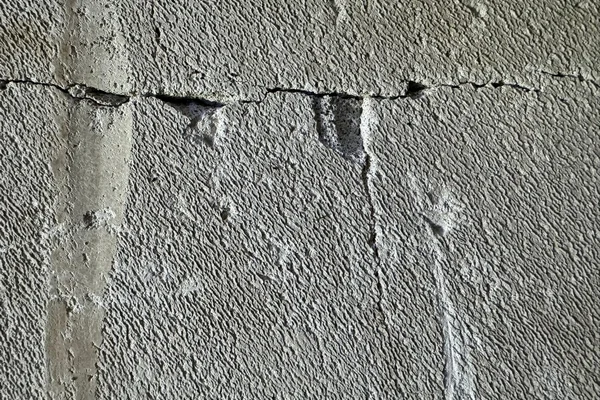
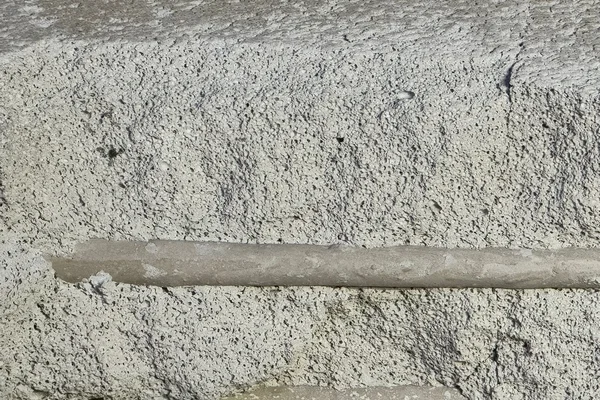
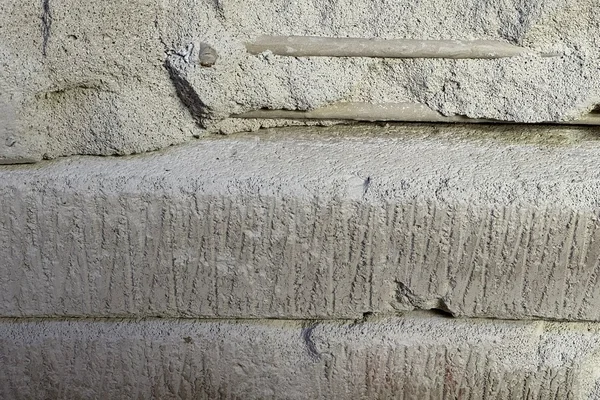
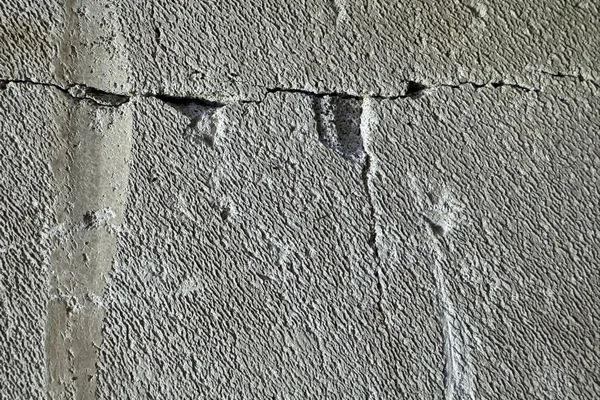
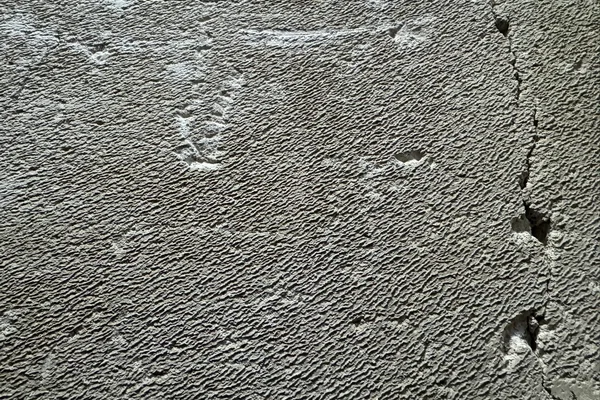
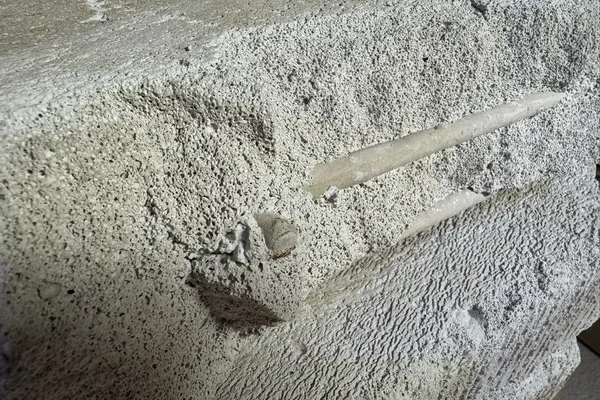
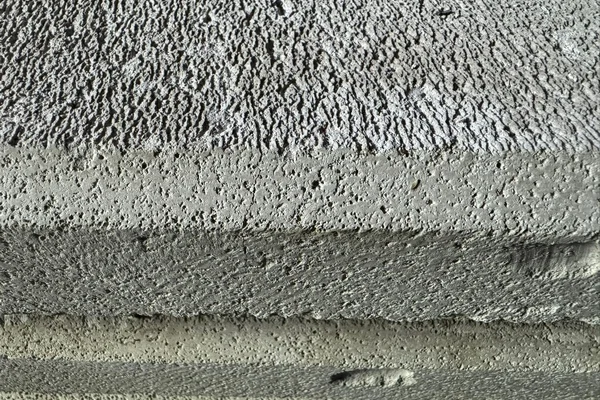
Image from a post on the Structured Carbon website
Risks of Poorly Executed RAAC Structural Repairs

The Dangers of Poorly Executed RAAC Structural Repairs

Poorly executed RAAC repairs create serious risks that may be worse than doing nothing at all. Common failures include adding excessive weight to fragile panels, using adhesives that do not bond with porous RAAC, or installing reinforcement without addressing underlying corrosion. Such mistakes may cause premature failure, mask worsening deterioration or even accelerate collapse. The consequences are severe: wasted money, unsafe buildings, legal liability for owners and reputational damage for institutions. Engineers warn that unqualified contractors offering quick fixes should never be trusted with RAAC remediation. Proper repairs require intrusive surveys, structural analysis, certified materials and documented quality control. Insurers will not accept unverified repairs, and regulators may take action if safety is compromised. Owners must demand evidence of design calculations, installation records and inspection reports. By contrast, well-executed repairs deliver durable, insurable solutions that extend service life and protect occupants. The difference between poor and professional repairs is not cosmetic-it is the line between risk and reassurance. For decision-makers, the lesson is clear: invest in qualified engineering expertise or face escalating risk, liability and cost.

Working With Structured Carbon on Avoiding Poor RAAC Repair Practices

The risks of poorly executed RAAC repairs are severe, and Structured Carbon exists to eliminate them. Inexperienced contractors may add weight to fragile planks, use adhesives that do not bond properly, or conceal corrosion without addressing it. Such errors create dangerous buildings, waste money and increase liability. Structured Carbon takes a completely different approach. Every project begins with intrusive surveys to expose the true condition of reinforcement and concrete. From this data, we design tailored systems using carbon composites and resin anchors that are lightweight, durable and engineered to work with RAAC’s limitations. Quality control is embedded in every step, from preparation and bonding to curing and inspection. Documentation is provided to satisfy insurers and regulators, proving that the work is credible and insurable. For owners, partnering with Structured Carbon means never having to wonder if a repair will hold up-it is designed, tested and monitored. Poor repairs create risk; our design-led solutions create safety, reassurance and accountability.

Share:

Got RAAC? Let us know

Thank you, we have your enquiry

We reply within one working day. If it is urgent, call +44 118 430 8430.

Your details go straight to our team and are not shared with anyone else.

Frequently Asked Questions:

What are the risks of poor RAAC repairs?
Poor RAAC repairs pose significant risks, including sudden collapse, wasted investment and legal liability. Inadequate surface preparation, unsuitable adhesives or heavy materials like steel plates can accelerate deterioration rather than resolve it. Unqualified contractors offering quick fixes often create false reassurance, leaving buildings unsafe. Structured Carbon avoids these risks by carrying out intrusive surveys, modelling loads, and designing reinforcement tailored to RAAC’s unique weaknesses. Our systems are documented, tested and approved by insurers, ensuring repairs are not only effective but credible. For owners, working with us eliminates the dangers of poor practice and replaces them with durable, transparent solutions that protect both people and reputation.
Poor RAAC repair practices create risks that can be worse than doing nothing at all. Adding heavy steel plates or using unsuitable adhesives may overload panels or fail to bond properly, causing premature collapse. Superficial patching can hide deeper corrosion, creating false reassurance while deterioration continues unchecked. These risks endanger occupants, waste money and expose owners to liability. Structured Carbon eliminates these dangers by carrying out intrusive surveys, modelling loads, and designing tailored solutions with proven materials like carbon fibre and resins. Every project is documented, tested and auditable, giving owners, insurers and regulators confidence in the outcome.
Poor RAAC repairs create liability for owners because they leave occupants at risk while providing a false sense of security. If an unqualified contractor installs heavy or unsuitable systems that later fail, the building owner is responsible for injuries, damages and regulatory consequences. Insurers may refuse cover if repairs are not documented or compliant with guidance. Structured Carbon eliminates these risks by providing engineered, auditable solutions that are defensible in legal and insurance contexts. For owners, this means liability is reduced, safety is maintained and reputations are protected.
Poor repairs increase RAAC risks by masking deterioration without resolving it. Heavy or unsuitable materials such as steel plates overload panels, while cheap adhesives fail to bond, creating false reassurance until sudden collapse occurs. Cosmetic patching may hide corrosion but leaves reinforcement compromised. These mistakes expose owners to liability and undermine confidence with insurers and regulators. Structured Carbon eliminates these risks by designing systems from first principles, using carbon fibre and resins that are lightweight, durable and certifiable. Our rigorous quality control ensures installations perform as intended, and our documentation proves compliance. For owners, avoiding poor repairs is not just about safety-it is about protecting reputation, securing insurance and demonstrating responsibility. Poor repairs compound risks; professional repairs manage and reduce them.
Poor RAAC repairs create reputational risk because when they fail, owners are held accountable for putting occupants in danger. Quick fixes such as patching or steel plates may appear cost-effective but often deteriorate quickly, leading to negative media attention, regulatory scrutiny and loss of public trust. Structured Carbon eliminates this risk by providing design-led, auditable solutions that are defensible to insurers and regulators. Every repair is documented, tested and monitored, proving that risks are managed responsibly. For owners, this ensures safety is not only delivered but seen to be delivered. By choosing engineered, durable solutions, reputational risk is avoided and replaced with trust, credibility and assurance.
Structured Carbon CFRP system for RAAC structural strengthening - engineered in the UK

Questions? Ask us here:

Thank you, we have your enquiry

We reply within one working day. If it is urgent, call +44 118 430 8430.

Your details go straight to our team and are not shared with anyone else.

Contact Details

RAAC guides

Chat on WhatsApp