Structural Repair Case Studies in UK Schools

RAAC structural repair case studies in UK schools show that CFRP strengthening can be delivered in live term-time environments with no decanting required. Structured Carbon plans strengthening around the school year, with installation in holidays and out of hours, so classrooms stay in use.

Case studies of RAAC structural repair in UK schools demonstrate both the scale of the problem and the solutions available. Many schools built between the 1960s and 1980s contain RAAC roof planks that have exceeded their design life. Engineers have applied a range of repair methods to make these buildings safe, including carbon fibre reinforcement, steel plate strengthening, and epoxy resin bonding. Each case study highlights the need for detailed surveys, as deterioration levels vary even within the same building. In some schools, temporary propping has been used until permanent repairs could be designed. In others, tailored strengthening schemes have allowed classrooms to remain in use safely. These case studies illustrate the importance of engineering expertise in delivering repairs that are durable, insurable, and compliant with government guidance. For headteachers, councils, and parents, the reassurance provided by structural repair is invaluable.

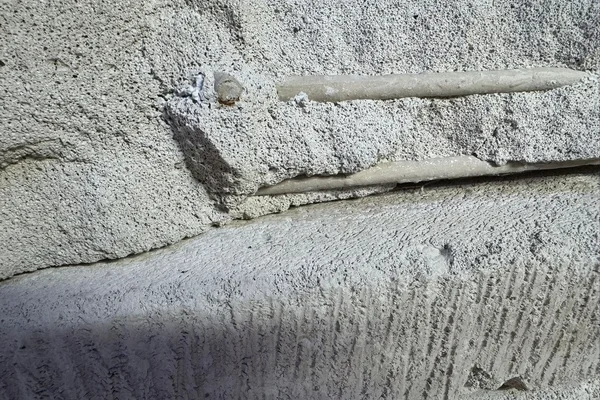
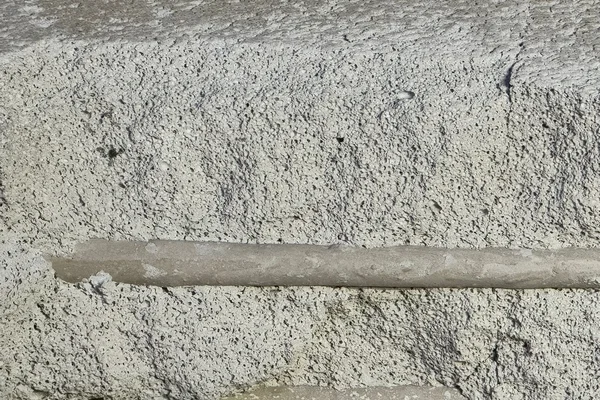
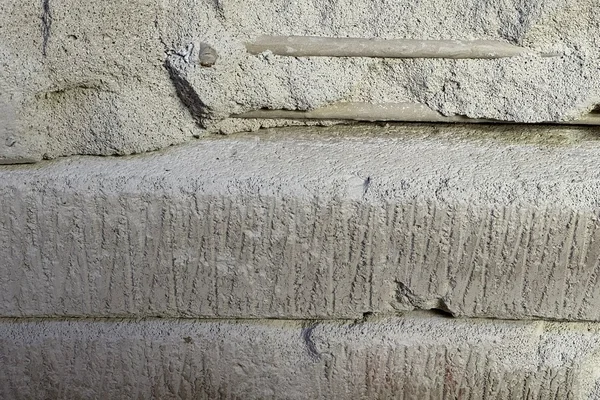
Image from a post on the Structured Carbon website
Structural Repair Case Studies in UK Schools

UK School Case Studies of RAAC Structural Repair

Case studies are a vital way to demonstrate that RAAC structural repair is both practical and effective. Examples from UK schools highlight how different reinforcement systems have been deployed successfully, keeping classrooms operational and safe. In one case, intrusive surveys revealed corrosion at roof plank ends, leading to a design solution using carbon fibre sheets bonded with epoxy resin. This intervention restored capacity quickly and allowed the school to remain open. In another, temporary propping was installed while permanent steel strengthening was designed, providing immediate reassurance to parents and staff. These examples underline the importance of tailoring solutions to each site. Even buildings constructed at the same time may show very different deterioration patterns, making surveys essential. Case studies also show how phased programmes reduce disruption, with works carried out during holidays or out of hours. Councils and education trusts have learned that early action saves money and avoids unplanned closures. Insurers value documented case studies as evidence that engineered solutions work in practice. By sharing real-world outcomes, engineers provide reassurance that RAAC repair is not experimental but proven. For stakeholders, these examples demonstrate that risks can be managed responsibly, with minimal disruption and predictable results. They provide a blueprint for future projects, showing that RAAC can be stabilised and managed while long-term strategies are put in place.

Working With Structured Carbon on RAAC School Repair Case Studies

Case studies prove that RAAC remediation is not theoretical-it is practical and effective when engineered correctly. Structured Carbon has delivered repair programmes in UK schools where intrusive surveys revealed deteriorating panels in roofs. Our design-led solutions used carbon fibre reinforcement and resin anchors to restore capacity quickly and with minimal disruption, keeping classrooms open and safe. In other schools, temporary measures were installed while permanent systems were phased in during holiday periods. These projects demonstrate the importance of surveys, bespoke design and experienced installation teams. They also highlight our ability to manage projects in live environments, phasing works to minimise impact on staff and pupils. For councils, headteachers and insurers, our case studies provide evidence that Structured Carbon delivers durable, insurable and practical outcomes. We don’t rely on unproven fixes or short-term patches-we apply proven systems backed by engineering calculations and regulatory compliance. By working with Structured Carbon, schools have been able to reassure parents, staff and students that their buildings are safe and their future is secure.

Share:

Got RAAC? Let us know

Thank you, we have your enquiry

We reply within one working day. If it is urgent, call +44 118 430 8430.

Your details go straight to our team and are not shared with anyone else.

Frequently Asked Questions:

What can case studies teach about RAAC repairs?
Case studies demonstrate that RAAC repairs are not theoretical-they are practical, proven solutions. In UK schools, Structured Carbon has delivered reinforcement schemes using carbon fibre composites and epoxy resins that allowed classrooms to stay open safely. In some projects, temporary propping was used until permanent works were phased in during holiday periods. These examples highlight the importance of detailed surveys, bespoke design and experienced installation teams. They also show how careful planning reduces disruption and reassures parents, staff and insurers. Case studies confirm that RAAC can be managed responsibly with design-led methods, providing real-world evidence of durability and compliance. For owners, they prove that investment in engineered solutions delivers safe, insurable results, not just on paper but in occupied buildings.
Case studies prove the effectiveness of RAAC repairs by showing how design-led interventions have worked in real buildings. In schools, carbon fibre reinforcement bonded with epoxy resins has allowed classrooms to remain open safely, avoiding costly closures. In some cases, temporary measures were installed first, with permanent solutions phased in during holidays to minimise disruption. These projects highlight how thorough surveys, tailored designs and experienced installation teams produce safe and reliable outcomes. Structured Carbon shares case studies to provide transparency and reassurance to owners, councils and insurers. They demonstrate that RAAC remediation is not experimental but proven in practice, with durable, insurable results. By studying real projects, stakeholders can see the benefits of proactive management and the risks avoided by choosing engineered solutions over improvised fixes.
By following case study examples, owners avoid the risks of untested or improvised RAAC repairs. Real-world projects show what works in practice, from carbon fibre reinforcement keeping classrooms open to temporary measures phased in during school holidays. They also reveal the pitfalls of poor practice, such as patching that failed quickly or steel strengthening that corroded. Structured Carbon shares case studies to provide transparency and evidence, helping owners and insurers see that RAAC can be managed responsibly. These examples build trust, show value for money and demonstrate compliance with guidance. For owners, learning from case studies avoids costly mistakes and ensures that chosen solutions are credible and insurable.
Case studies help build confidence in RAAC repairs by providing real-world evidence that engineered solutions work in practice. Examples from schools show how carbon fibre reinforcement allowed classrooms to remain open safely, while hospitals demonstrate how lightweight systems were installed with minimal disruption. These projects highlight the importance of detailed surveys, tailored designs and professional installation teams. They also illustrate how phased programmes reduce disruption and reassure stakeholders. Structured Carbon shares case studies transparently, showing both challenges and solutions, so owners, councils and insurers can learn from proven approaches. For insurers, case studies are valuable because they demonstrate durability and compliance, confirming that RAAC remediation is not experimental but established. For owners, they provide reassurance that investment in design-led repair delivers reliable, insurable outcomes. Case studies are more than stories-they are proof that RAAC risks can be managed responsibly with the right expertise.
RAAC repair case studies provide reassurance that engineered solutions work in real buildings. Structured Carbon’s projects in schools, for example, demonstrate how carbon fibre composites and epoxy resins have restored safety quickly, allowing classrooms to remain open. Temporary measures have been phased into permanent solutions during holidays, minimising disruption. These real-world examples prove that RAAC remediation is practical, safe and insurable when handled professionally. They also highlight the risks avoided by rejecting quick fixes or outdated methods such as steel plating. For councils, headteachers and parents, case studies provide peace of mind that RAAC can be managed responsibly. For insurers, they provide documented evidence that solutions perform over time. By sharing proven outcomes, Structured Carbon demonstrates not just technical expertise but accountability, making case studies a vital tool in building trust and confidence.

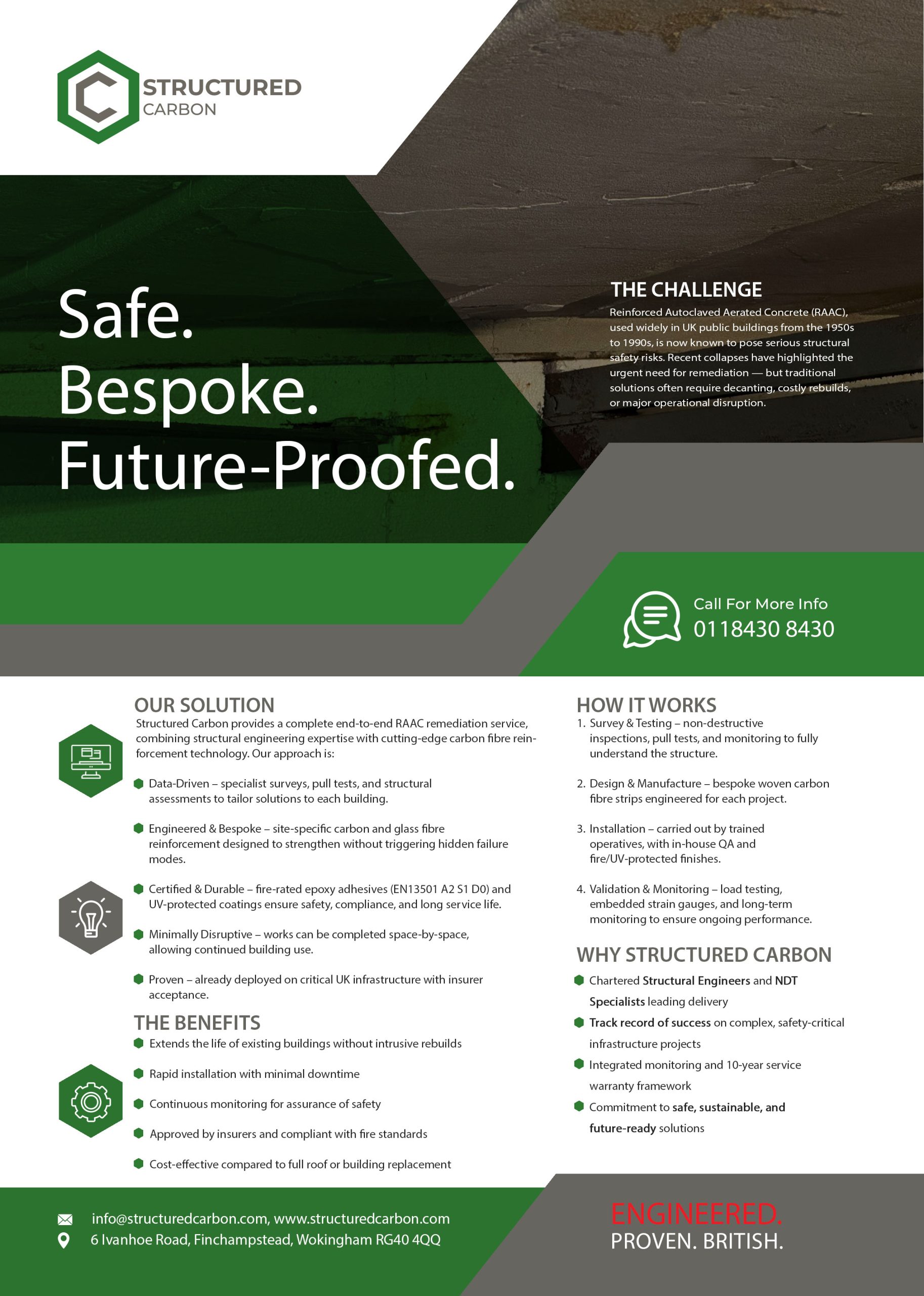
Structured Carbon CFRP system for RAAC structural strengthening - engineered in the UK

Questions? Ask us here:

Thank you, we have your enquiry

We reply within one working day. If it is urgent, call +44 118 430 8430.

Your details go straight to our team and are not shared with anyone else.

Contact Details

RAAC guides

Chat on WhatsApp