How Universities Manage RAAC Communication With Students

Universities must communicate RAAC risks to students clearly, proactively, and without causing unnecessary alarm. The HSE and IStructE guidance is that buildings with assessed and structurally monitored RAAC can remain occupied, and that this should be communicated plainly. Universities that have been transparent about their RAAC management programmes report significantly lower reputational damage than those where closures appeared unplanned.

Managing communication about RAAC with students has become one of the most sensitive aspects of the issue. Discovery of RAAC in teaching or accommodation buildings can lead to anxiety and speculation if information is unclear. Universities have learned that open, factual communication is critical to maintaining trust. Most institutions now provide regular updates through emails, websites, town hall meetings and social media channels, explaining what RAAC is, why inspections are taking place, and what safety measures are in place. Dedicated FAQs and contact points allow students and staff to ask questions and receive accurate answers quickly. When closures or relocations are required, clear notice periods and transparent reasoning help prevent frustration. Universities also collaborate with student unions to ensure messages reach all audiences consistently. Communication is supported by visible safety actions on campus such as signage, exclusion zones and active works, reinforcing that the situation is being managed responsibly. By combining engineering action with clear messaging, universities can protect both physical safety and community confidence while managing RAAC risk effectively.

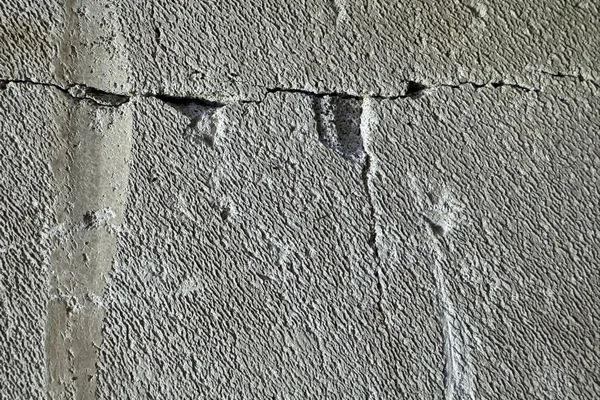
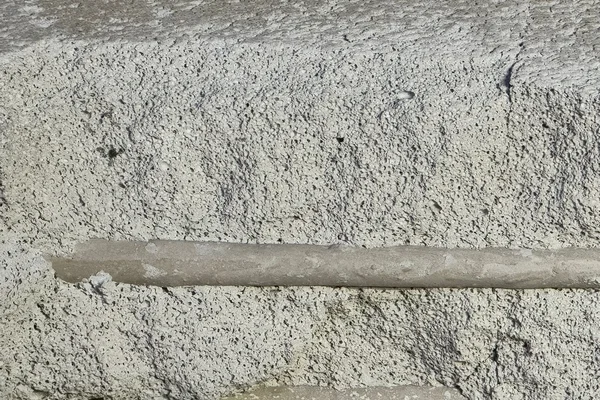
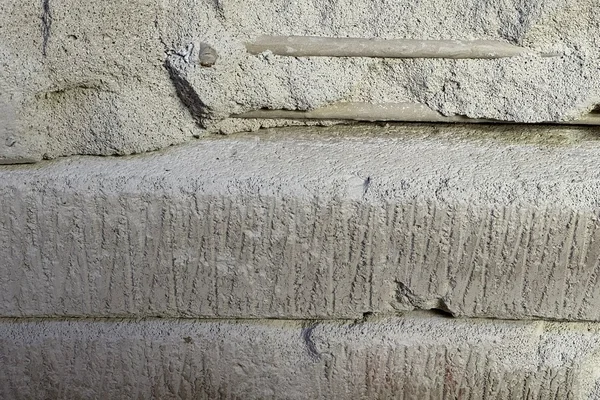
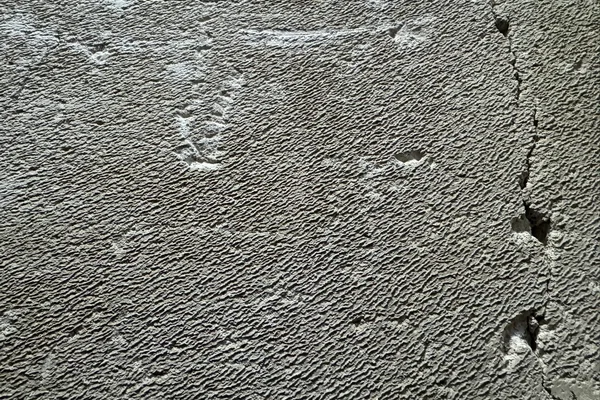
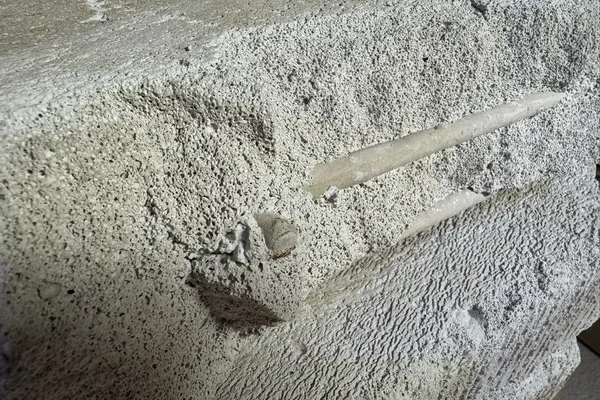
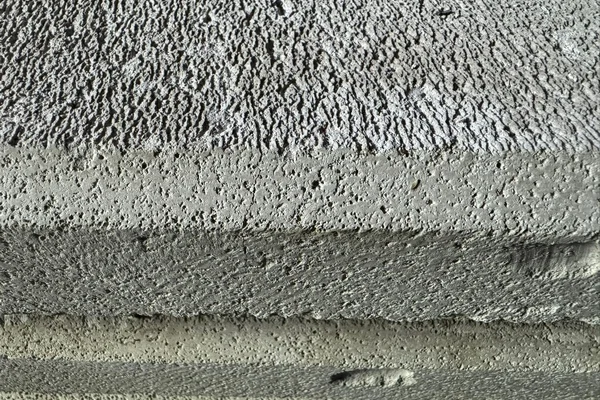
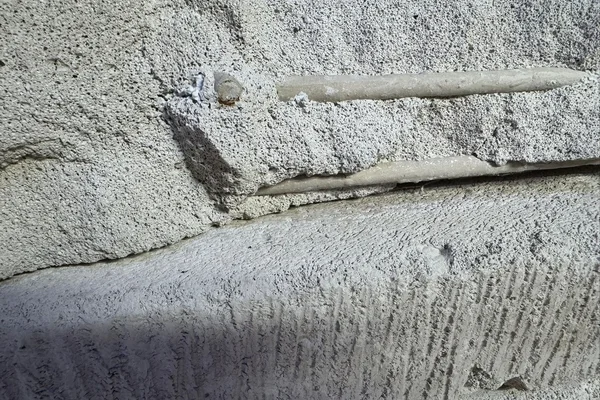
Image from a post on the Structured Carbon website
How Universities Manage RAAC Communication With Students

Clear Communication About CFRP-Based RAAC Safety Upgrades

Clear communication about CFRP-based RAAC safety upgrades is vital to maintaining trust between universities, staff and students. When structural risks are discovered, transparency and factual updates are essential to avoid misinformation and concern. Universities now recognise that communication is part of the remediation process, not an afterthought. By explaining that CFRP reinforcement provides immediate, lightweight and permanent safety improvements, institutions can reassure building users that risks are being managed proactively. Regular updates through websites, internal bulletins and campus signage help demonstrate progress and accountability. Case studies and visual aids showing CFRP installations also help students and staff understand that the solution is technical, engineered and evidence-based rather than cosmetic. Universities that involve their communities in the remediation process report higher confidence levels and fewer operational disruptions. Clear messaging about CFRP’s effectiveness and durability reinforces the credibility of the university’s safety programme and shows that decisions are grounded in engineering best practice. Ultimately, strong communication ensures that CFRP-based safety upgrades are seen not just as repairs but as long-term investments in the integrity and future of university estates.

Partnering With Structured Carbon for Long-Term RAAC Risk Reduction

Partnering with Structured Carbon provides universities with a practical, sustainable and transparent approach to long-term RAAC risk reduction. The company works collaboratively with estates and facilities teams to develop reinforcement strategies that align with operational priorities, funding constraints and safety objectives. Each solution is evidence-based, beginning with survey data and progressing through structural design to final verification. Structured Carbon’s CFRP systems allow universities to maintain safe use of buildings while phasing remediation across multiple sites. The materials’ low weight and high strength make them ideal for retrofitting existing RAAC panels without the disruption of full replacement. Structured Carbon’s transparent communication, including progress reporting and technical documentation, ensures all stakeholders remain informed. The company’s commitment to compliance, sustainability and engineering accuracy turns RAAC management from a reactive problem into a proactive, planned improvement programme. Universities that partner with Structured Carbon gain not just a safer estate, but also a trusted engineering ally dedicated to delivering enduring safety, compliance and confidence through design-led carbon fibre reinforcement.

Share:

Got RAAC? Let us know

Thank you, we have your enquiry

We reply within one working day. If it is urgent, call +44 118 430 8430.

Your details go straight to our team and are not shared with anyone else.

Frequently Asked Questions:

How should universities communicate RAAC findings and safety measures to students?
Effective communication about RAAC is essential for maintaining student trust and safety confidence. Universities must balance transparency with reassurance, explaining what RAAC is, what measures are being taken and why those measures are effective. CFRP reinforcement plays a key role in this communication because it provides a tangible, engineered solution to the problem. By sharing factual updates on CFRP installation and how it strengthens RAAC structures, universities can demonstrate that safety is being managed scientifically rather than reactively. Visual aids, progress updates and campus briefings help reduce uncertainty among students and staff. Highlighting that CFRP systems are lightweight, corrosion-proof and permanent reassures building users that the remediation process provides long-term security. Universities that communicate clearly about RAAC and CFRP works maintain confidence and prevent misinformation. Transparent messaging ensures that the focus remains on proactive safety improvement rather than risk alone, reinforcing a culture of responsibility and assurance across the academic community.

Highlighting CFRP technology in RAAC communication helps universities build transparency and trust with students and staff. Explaining that carbon fibre reinforcement is a permanent, engineered solution reassures occupants that safety is being handled professionally. It shifts the conversation from risk to resolution, showing that the university is taking proactive and science-based action. Visual updates and information sessions about CFRP installations help reduce anxiety and misinformation. Communicating in this way strengthens institutional credibility and demonstrates responsible management, ensuring the university community understands that the buildings are safe, compliant and future-proofed.
Universities can use CFRP projects to demonstrate transparency and accountability by sharing factual updates, visual documentation and progress reports with students, staff and stakeholders. Communicating that CFRP is an engineered, permanent reinforcement helps clarify that the institution is taking proactive, science-based action. Providing regular updates about survey findings, design development and installation stages builds trust and reduces anxiety. Transparent communication about CFRP demonstrates responsible estate management and ensures the university community understands how safety issues are being addressed effectively and professionally.
Clear communication about CFRP helps build student and staff confidence by explaining that a permanent, engineered solution is in place to manage RAAC risks. Universities can share straightforward information on how CFRP works, why it’s used and what safety assurances it provides. Emphasising the material’s strength, corrosion resistance and long-term durability reinforces trust. Visual progress updates, signage and Q&A sessions help reassure building users. Transparent communication backed by engineering facts prevents misinformation, showing that the university is managing safety responsibly and proactively through modern, scientifically proven methods.
Universities can involve students and staff in understanding CFRP remediation through open communication and education initiatives. Information sessions, campus tours and digital updates can explain what CFRP is, how it works and why it was chosen. Demonstrating the reinforcement process builds awareness of engineering innovation and reassures building users that safety is managed proactively. Sharing updates through newsletters or signage fosters transparency and trust. These efforts also promote engagement with sustainability and construction technologies, turning safety projects into opportunities for learning and collaboration across the university community.
Structured Carbon CFRP system for RAAC structural strengthening - engineered in the UK

Questions? Ask us here:

Thank you, we have your enquiry

We reply within one working day. If it is urgent, call +44 118 430 8430.

Your details go straight to our team and are not shared with anyone else.

Contact Details

RAAC guides

Chat on WhatsApp