Lessons Learned From RAAC in the Education Sector

The key lessons from RAAC in education are that visual inspection is not enough, early intervention is dramatically cheaper than emergency response, and communication with occupants builds trust rather than damaging it. Schools and universities that commissioned proactive surveys and communicated openly have resolved the problem with significantly less disruption and cost than those that waited for structural failure or regulatory pressure.

Lessons learned from RAAC in the education sector highlight the importance of early identification, transparent communication and engineering-led management. The experience has revealed how materials once considered innovative can present serious long-term risks when their behaviour is not fully understood. Universities, schools and public bodies have learned to treat RAAC not as a maintenance problem but as a structural safety issue requiring evidence and professional oversight. Institutions that acted early, commissioning intrusive surveys and implementing mitigation, avoided emergency closures and maintained confidence among staff, students and insurers. The crisis has also demonstrated the value of collaboration between government, engineers and the education sector in developing consistent guidance and funding frameworks. Another key lesson is the importance of record keeping-comprehensive data on building age, construction type and survey results enables faster and more targeted responses. As universities move toward complete elimination of RAAC, they are embedding these lessons into estate management policy, ensuring future construction and maintenance follow rigorous technical and safety standards. By learning from RAAC, the higher education sector is becoming stronger, more transparent and better prepared for emerging challenges in building safety.

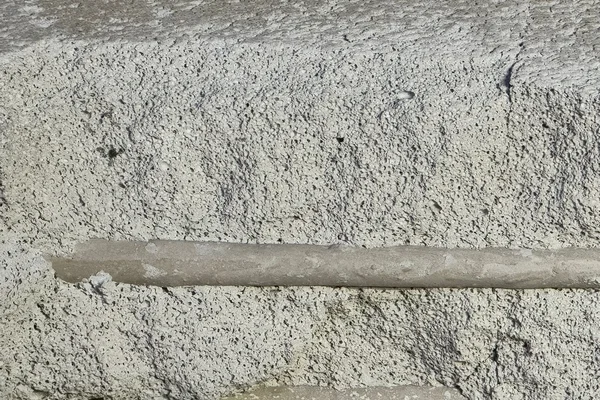
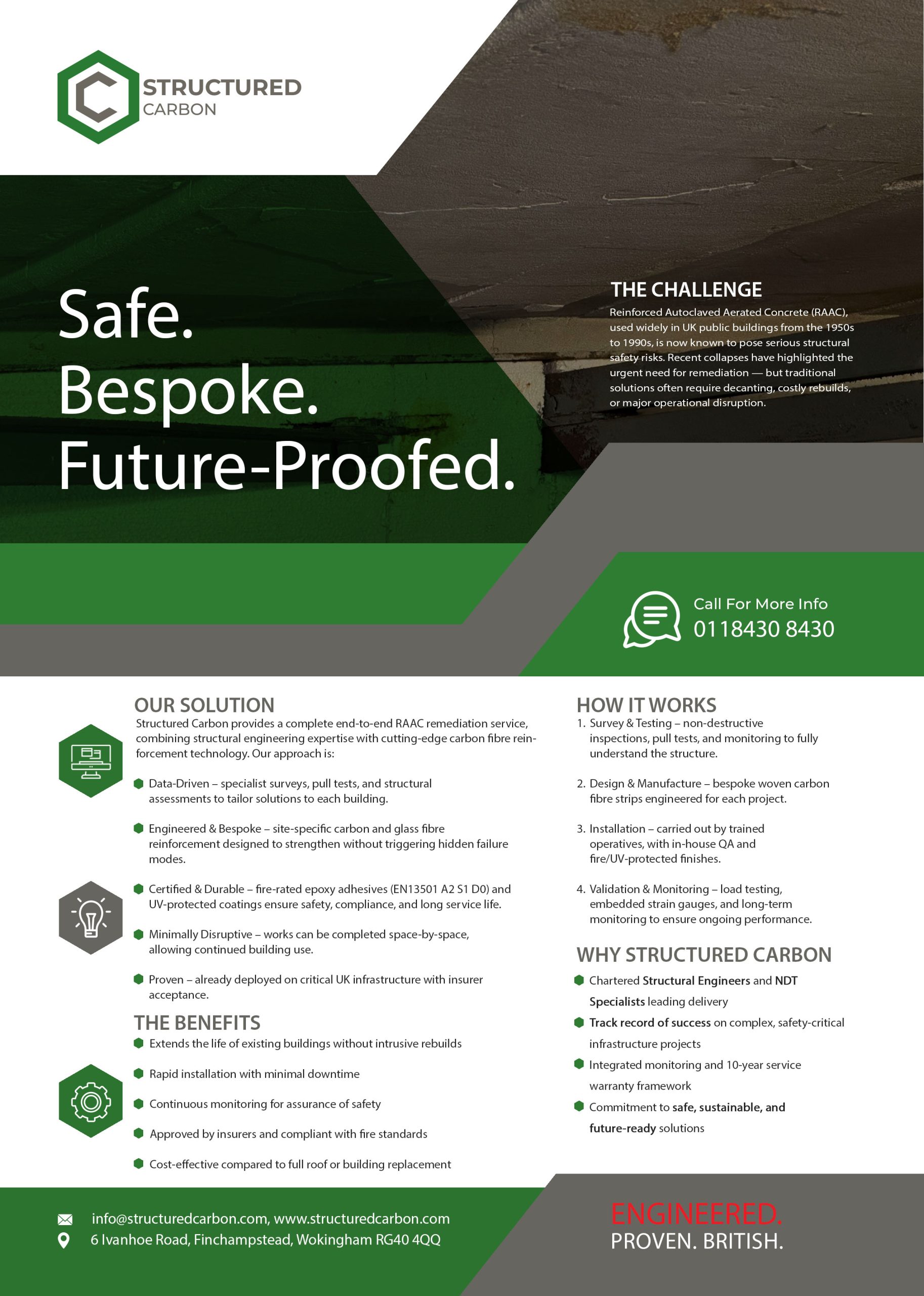
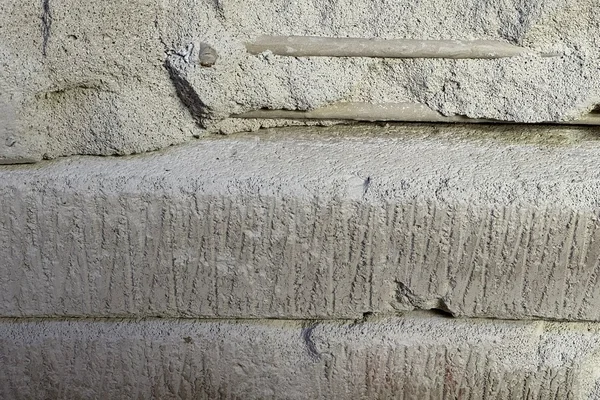
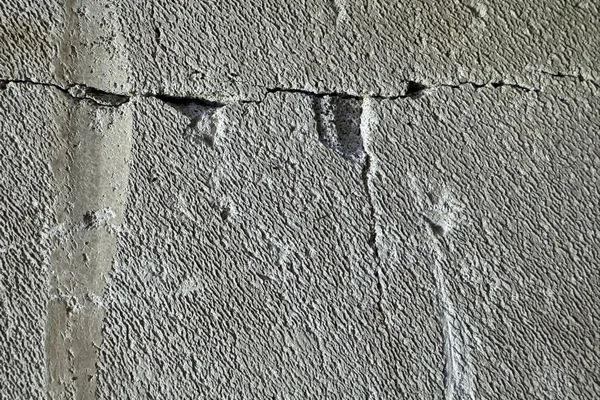
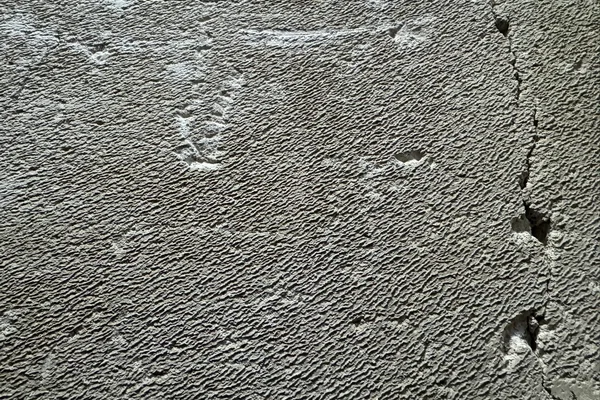
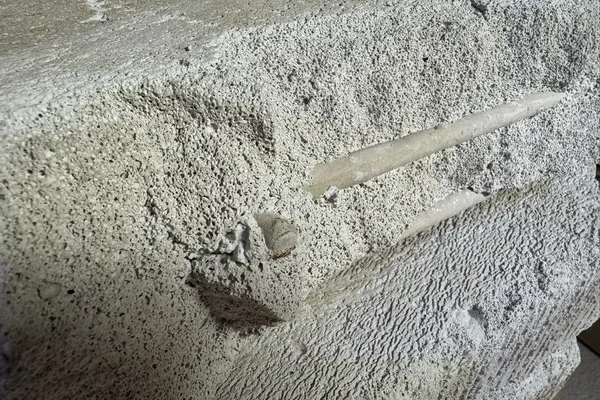
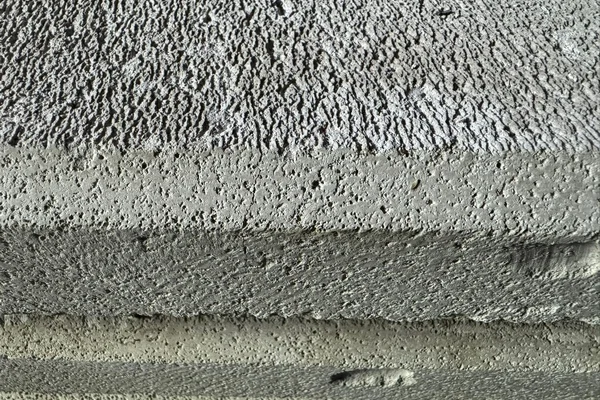
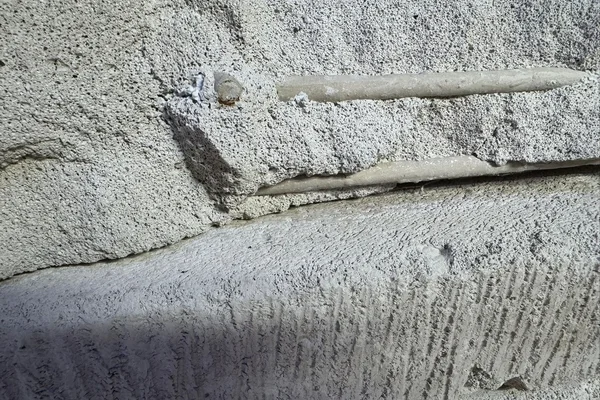
Image from a post on the Structured Carbon website
Lessons Learned From RAAC in the Education Sector

How CFRP Reinforcement Defines the Next Generation of RAAC Safety

Lessons learned from RAAC in the education sector have shown that carbon fibre reinforcement is central to the next generation of structural safety. Early responses to RAAC relied heavily on short-term mitigation, but experience has demonstrated that permanent, engineered solutions deliver the most value. Universities that implemented CFRP strengthening early have avoided major closures and financial losses while setting best-practice benchmarks for the sector. Key lessons include the importance of data-driven surveys, professional design oversight and transparent documentation for insurers. CFRP systems have proven adaptable across multiple building types, from lecture theatres to residential halls, offering both speed and permanence. Collaboration between engineers, estates teams and insurers has become standard practice, creating a more resilient and accountable framework for building management. These lessons are now shaping national approaches to RAAC remediation across the wider education estate. As the UK continues to address ageing infrastructure, the experience of universities demonstrates that CFRP reinforcement delivers the optimal balance of safety, economy and sustainability-defining the future of RAAC risk management and long-term structural assurance.

Structured Carbon’s Leadership in Sustainable CFRP Strengthening Solutions

Structured Carbon’s leadership in sustainable CFRP strengthening reflects its commitment to future-ready engineering and environmental responsibility. The company recognises that universities need solutions that not only ensure safety but also align with broader carbon reduction and sustainability goals. CFRP reinforcement achieves this by extending the life of existing structures, avoiding demolition waste and reducing the embodied carbon associated with full replacement. Structured Carbon’s engineers design every system to maximise material efficiency, applying carbon fibre only where structural demand requires it. Installation processes are low-impact, with minimal noise, waste or disruption. This allows universities to maintain operations while achieving measurable sustainability outcomes. Structured Carbon’s documentation includes lifecycle analysis and maintenance projections, helping clients demonstrate environmental as well as safety performance. The company’s forward-thinking approach positions CFRP reinforcement as both a technical and sustainable solution to the RAAC problem. By combining innovation, compliance and environmental awareness, Structured Carbon provides universities with an approach that protects their buildings, their budgets and their sustainability commitments for the long term.

Share:

Got RAAC? Let us know

Thank you, we have your enquiry

We reply within one working day. If it is urgent, call +44 118 430 8430.

Your details go straight to our team and are not shared with anyone else.

Frequently Asked Questions:

What key lessons has the education sector learned from addressing RAAC risks?
The education sector has learned valuable lessons from the challenge of RAAC, particularly regarding early identification, transparent communication and the importance of engineering-led solutions. CFRP reinforcement has emerged as one of the most effective and sustainable methods for addressing structural weaknesses in existing RAAC panels. Institutions that act early and implement CFRP systems avoid the disruption and cost of emergency closures while demonstrating compliance with safety regulations. These experiences underline that temporary measures such as propping are only short-term solutions. Long-term safety requires engineered interventions that provide verifiable strength and durability. CFRP meets this need by creating permanent tensile reinforcement that remains effective regardless of further RAAC deterioration. The education sector’s broader lesson is that managing RAAC requires collaboration between engineers, estate managers, insurers and government bodies. By prioritising evidence-based, design-led remediation, universities can ensure the continued safety of students, staff and facilities while developing a model of best practice for the wider construction industry.

CFRP technology has shaped the education sector’s response to RAAC by demonstrating that structural safety can be achieved without large-scale reconstruction. It has proven that data-driven design and material science can solve problems that once seemed unmanageable. The ability of CFRP to provide permanent, insurable reinforcement has redefined best practice for universities and schools. It shows that proactive engineering delivers better safety, lower cost and minimal disruption. The key lesson is that investing in high-quality, evidence-based remediation pays off through long-term confidence, sustainability and compliance-values now central to all responsible estate management.
CFRP adoption offers key lessons for future structural risk management in education: act early, base decisions on data and choose engineered, evidence-based solutions. It demonstrates that lightweight composite materials can resolve complex safety issues with minimal environmental or operational impact. The emphasis on design verification, documentation and accountability has set new standards for transparency in building management. For universities, the experience reinforces that collaboration between engineers, estates teams and insurers delivers the most effective outcomes. CFRP has proven that long-term structural safety depends on proactive engineering, not reactive maintenance.
The education sector has seen significant benefits from adopting CFRP in RAAC remediation, including improved safety, reduced costs and enhanced sustainability. The technology has allowed universities and colleges to keep buildings operational while achieving compliance with modern safety standards. CFRP has demonstrated that composite engineering can resolve legacy construction issues effectively and with minimal environmental impact. The experience has also improved communication between engineers, estates teams and regulators, leading to more transparent and proactive management. Overall, the adoption of CFRP has transformed RAAC remediation from a crisis response into a structured, evidence-based engineering solution.
Innovations in CFRP likely to shape the future of RAAC remediation include advanced resin systems, smart monitoring technology and faster installation techniques. New adhesive formulations improve bonding strength and curing times, reducing project duration. Embedded sensors can track load and deflection, providing real-time data on structural performance. Modular CFRP systems are also being developed to streamline installation and lower costs. These advancements will make reinforcement even more efficient, sustainable and verifiable. For universities, continued innovation in CFRP ensures that future RAAC remediation remains cost-effective, compliant and at the forefront of engineering safety.
Structured Carbon CFRP system for RAAC structural strengthening - engineered in the UK

Questions? Ask us here:

Thank you, we have your enquiry

We reply within one working day. If it is urgent, call +44 118 430 8430.

Your details go straight to our team and are not shared with anyone else.

Contact Details

RAAC guides

Chat on WhatsApp